summer bucket list without phone
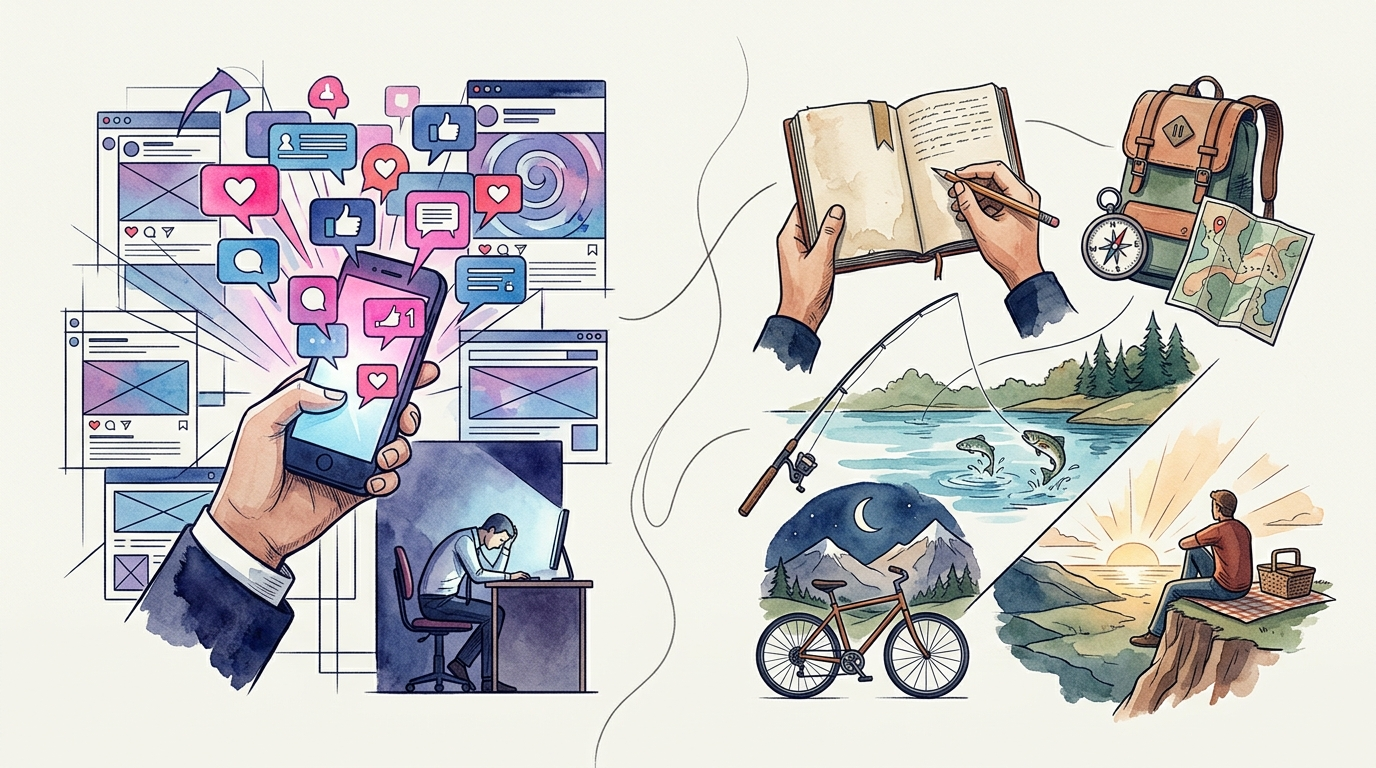
Trade the quick fix of digital likes for the deep satisfaction of real-world experiences. Your brain was designed for the outdoors, not the interface. Ditch the synthetic triggers and find out what real achievement feels like.
Imagine a summer where the light doesn’t come from a screen. Think about the warmth of the sun on your skin without the urge to post a selfie. This isn’t just about a break; it is about reclaiming your attention from an economy designed to steal it.
Living a phone-free summer matters because it restores your ability to focus. Modern life has conditioned us to seek constant, low-effort stimulation. Stepping away allows your nervous system to reset and rediscover the joy in slow, meaningful progress.
summer bucket list without phone
A summer bucket list without a phone is a curated collection of activities designed to be experienced entirely in the physical world. It exists to break the cycle of “documenting for others” and return to “experiencing for yourself.” In practical terms, this means choosing events where the primary value is sensory and social rather than digital.
Common real-world situations include weekend camping trips, long afternoons at local swimming holes, or mornings spent at a farmers’ market. The goal is to engage with your environment using your five senses instead of a lens.
Analog Adventures to Try
- Stargazing with a physical map: Identify constellations using a paper star chart. The lack of screen light helps your eyes adjust to the darkness, revealing more stars than you ever saw through an app.
- Picnicking with a paperback: Leave the e-reader at home. Feel the texture of the pages and the weight of a real book while sitting on a blanket in the park.
- Foraging and plant identification: Use a physical field guide to find edible berries or local flowers. This requires deep observation and patience—skills the internet often erodes.
- Attending a live “unplugged” performance: Look for local concerts or theater in the park where the audience is encouraged to keep devices away.
- The 24-hour bike wander: Pick a direction and ride. Use physical landmarks or a paper map to find your way back.
How to Transition into an Analog Summer
Making this work requires more than just willpower. It requires a system. The digital world is designed to be the path of least resistance, so you must create friction for your phone and ease for your analog alternatives.
Start by auditing your dependencies. Most people rely on their phones for navigation, music, and time. Replace these with single-purpose tools. Buy a dedicated alarm clock, a physical map of your city, and a standalone MP3 player or a portable radio.
Step-by-Step Preparation
- Communicate your boundaries: Let friends and family know you will be unreachable during specific times. This eliminates the “emergency” anxiety that often pulls people back to their screens.
- Print your tickets: Whether it is for a movie, a train, or a festival, have physical copies ready. This prevents the “I just need my phone for the QR code” trap.
- Carry a notebook: Use it for directions, grocery lists, or sudden inspirations. Writing by hand is a slower, more deliberate process that helps with memory retention.
- Use a film camera: If you want to capture memories, use a disposable or 35mm camera. You won’t see the result for days, which keeps you focused on the moment rather than the perfect edit.
Benefits of a Disconnected Summer
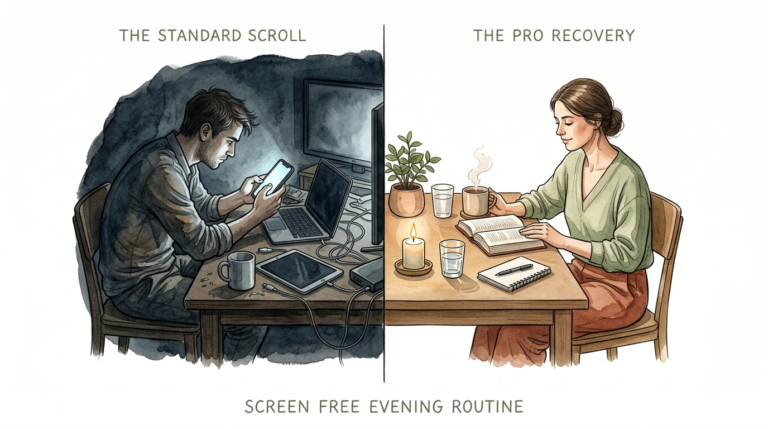
The most immediate benefit is a significant drop in cortisol levels. Constant notifications keep the brain in a state of high alert. Removing them allows your heart rate to steady and your mind to enter a “flow state” more easily.
Natural satisfaction replaces the synthetic dopamine hit. When you finish a hike or bake a pie without checking your feed, the sense of accomplishment is deeper and longer-lasting. You aren’t seeking external validation; you are enjoying the internal reward of a job well done.
Observable Advantages
- Improved Sleep Quality: Blue light from screens suppresses melatonin. Shifting to analog evening activities helps you fall asleep faster and stay asleep longer.
- Deepened Relationships: Eye contact and active listening become easier when there isn’t a device on the table. You notice nuances in conversation that are usually missed.
- Restored Attention Span: Your ability to read long-form text or engage in complex tasks improves as you stop the “micro-switching” habit of checking social media.
Challenges and Common Mistakes
The biggest hurdle is the “just one check” trap. It starts with checking the weather and ends with forty minutes of mindless scrolling. This happens because the phone is a “portal” device—once it is in your hand, the path to distraction is wide open.
Another common mistake is failing to plan for the “boring” moments. We often use phones to escape standing in line or waiting for a friend. Without a phone, you must learn to sit with your thoughts or engage with the people around you.
How to Avoid Pitfalls
- Do not keep the phone in your pocket: Even if it is off, its presence reduces cognitive capacity. Leave it in a bag or a different room.
- Avoid “faking” the detox: Taking photos of your “unplugged” lunch to post later still keeps your mind in the digital loop. Focus on the taste, not the aesthetic.
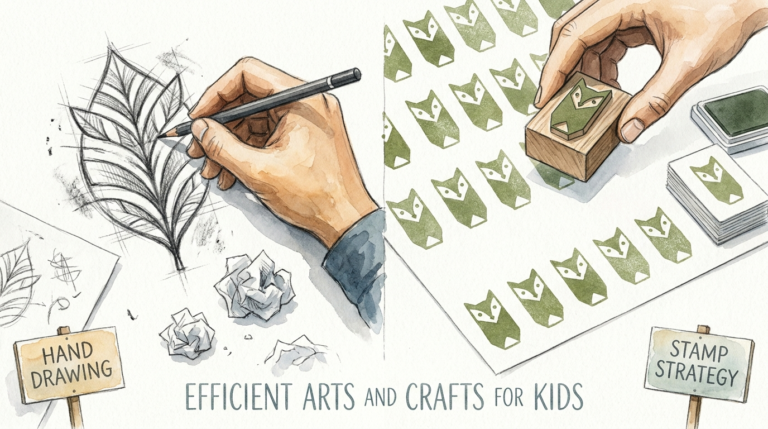
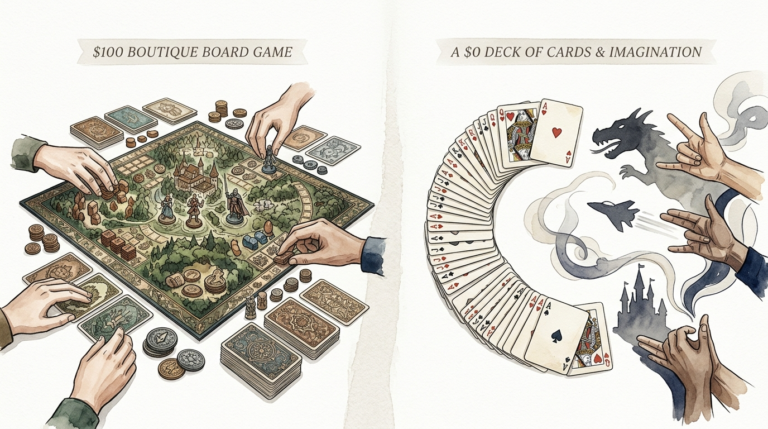
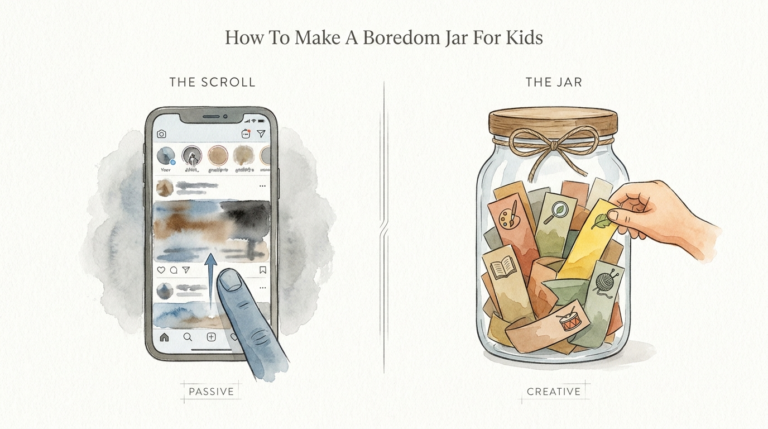
- Prepare for the “Boredom Gap”: Always have a physical book, a deck of cards, or a sketchbook nearby for downtime.
Limitations of Going Fully Phone-Free
While an analog summer is restorative, it isn’t always practical for everyone. Safety is a primary concern, especially for solo travelers or those with medical conditions. In these cases, a total ban might be counterproductive.
Environmental constraints also play a role. Many modern services, such as ride-sharing or digital-only parking meters, require a smartphone. Forcing a 100% disconnect in a city designed for connectivity can lead to unnecessary stress.
When to Moderate
- Solo Wilderness Hikes: Always carry a phone for emergencies, but keep it in a sealed, waterproof bag at the bottom of your pack.
- Solo Night Travel: Use your device for safety and navigation, but disable all non-essential notifications.
- Work Requirements: If you must be on-call, set specific “check-in” windows rather than staying constantly connected.
Natural Satisfaction vs. Synthetic Dopamine Hit
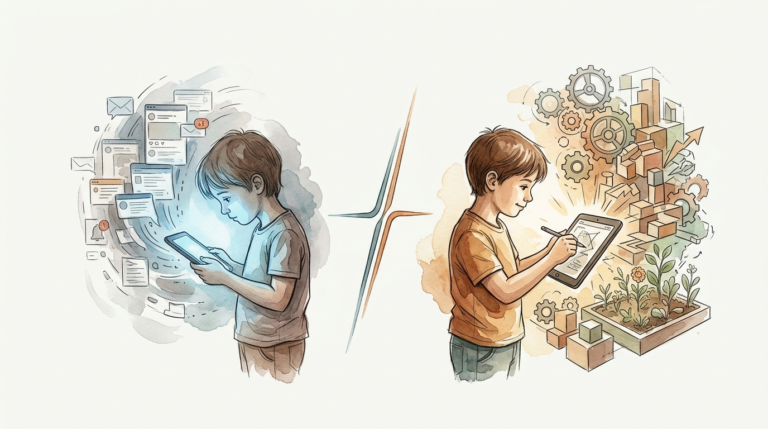
Understanding why we reach for the phone requires looking at brain chemistry. Social media and apps provide “synthetic” hits—quick, easy rewards that don’t require much effort. Real-world achievements provide “natural” satisfaction, which is tied to the completion of a meaningful task.
| Factor | Synthetic Dopamine (Digital) | Natural Satisfaction (Analog) |
|---|---|---|
| Effort Required | Very Low (Just swipe) | High (Action/Creation) |
| Duration of Reward | Short (Seconds) | Long (Hours/Days) |
| Impact on Focus | Fragmented | Sustained |
| Long-term Value | Low (Empty calories) | High (Skill/Memory) |
Practical Tips for Staying Offline
To make your summer bucket list successful, you need to “dumb down” your environment. Use technology to fight technology. Set your phone to grayscale mode to make it less visually appealing.
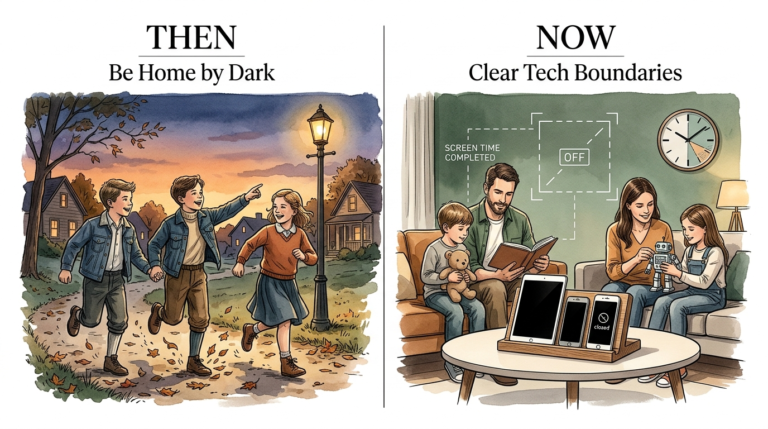
Install a physical “phone jail” or a timed lock box for evening hours. This removes the decision-making process—you can’t use the phone even if you want to.
Best Practices
- The “One Screen” Rule: If you must use a device, limit it to one (like a laptop for a specific task) and keep the phone in another room.
- Physical Alarm Clocks: Removing the phone from the nightstand is the single most effective way to change your morning routine.
- Subscription to Physical Media: Get a newspaper or magazine subscription. Having physical media delivered gives you something to look forward to that doesn’t involve a feed.
Advanced Considerations for Serious Practitioners
For those who want to go beyond a simple weekend break, consider a “Digital Minimalist” lifestyle. This involves auditing every digital tool you use and asking if it serves a core value. If it doesn’t, delete it.
Scaling this approach involves building a community. It is much easier to stay off your phone when your friends are doing the same. Host “device-free” dinner parties or join a local hobby club where phones are discouraged.
Optimization Strategies
- The Dumbphone Swap: Buy a basic flip phone for the summer months. It allows for essential calls and texts without the temptation of apps.
- Batching Communication: Check your emails and messages only twice a day. This trains people to expect slower responses and reduces the pressure to be “always on.”
- Refining the “Analog Toolkit”: Invest in high-quality physical tools, like a fountain pen, a sturdy compass, or a high-end film camera. Quality tools make the analog experience more pleasurable.
Example Scenario: The Phone-Free Weekend
Consider a weekend trip to a nearby lake. On Friday evening, you turn off your phone and place it in the glove box of the car. You have a paper map with the route highlighted and a printed confirmation for your campsite.
Saturday morning starts with the sound of birds rather than an alarm. You spend three hours fishing. There are no photos of the catch, but you remember the way the water felt and the specific color of the lures. In the afternoon, you read fifty pages of a novel while lying in a hammock.
By Sunday, the “phantom vibration” in your pocket has stopped. You feel more present and observant. You notice the way the wind changes before a storm. When you finally turn the phone back on Sunday night, the “urgent” notifications seem trivial compared to the quiet confidence you gained over the weekend.
Final Thoughts
Rediscovering an analog summer is not about being anti-technology. It is about being pro-human. It is about acknowledging that our best memories are rarely made while looking at a screen.
By intentionally choosing real-world experiences, you are investing in your mental clarity and emotional health. You are teaching your brain that it doesn’t need a synthetic hit to feel alive.
Experiment with one weekend. See how it feels to navigate by landmarks and read by candlelight. You might find that the world is much bigger and more vibrant than any five-inch screen could ever show you. Apply these steps and see how your summer transforms from a blur of pixels into a season of substance.
Sources
1 suryaant.com | 2 substack.com | 3 pullman-ciawi-vimalahills.com | 4 rowiteen.com | 5 robotimeonline.com | 6 camillestyles.com | 7 adirondackcamp.com | 8 libertylakedaycamp.com | 9 kansascity.com | 10 charleston.edu | 11 acon24.com | 12 drlaurencook.com | 13 patpat.com | 14 prairie-care.com | 15 projectwellbeing.net | 16 moodycreativemedia.com