screen time chart by age
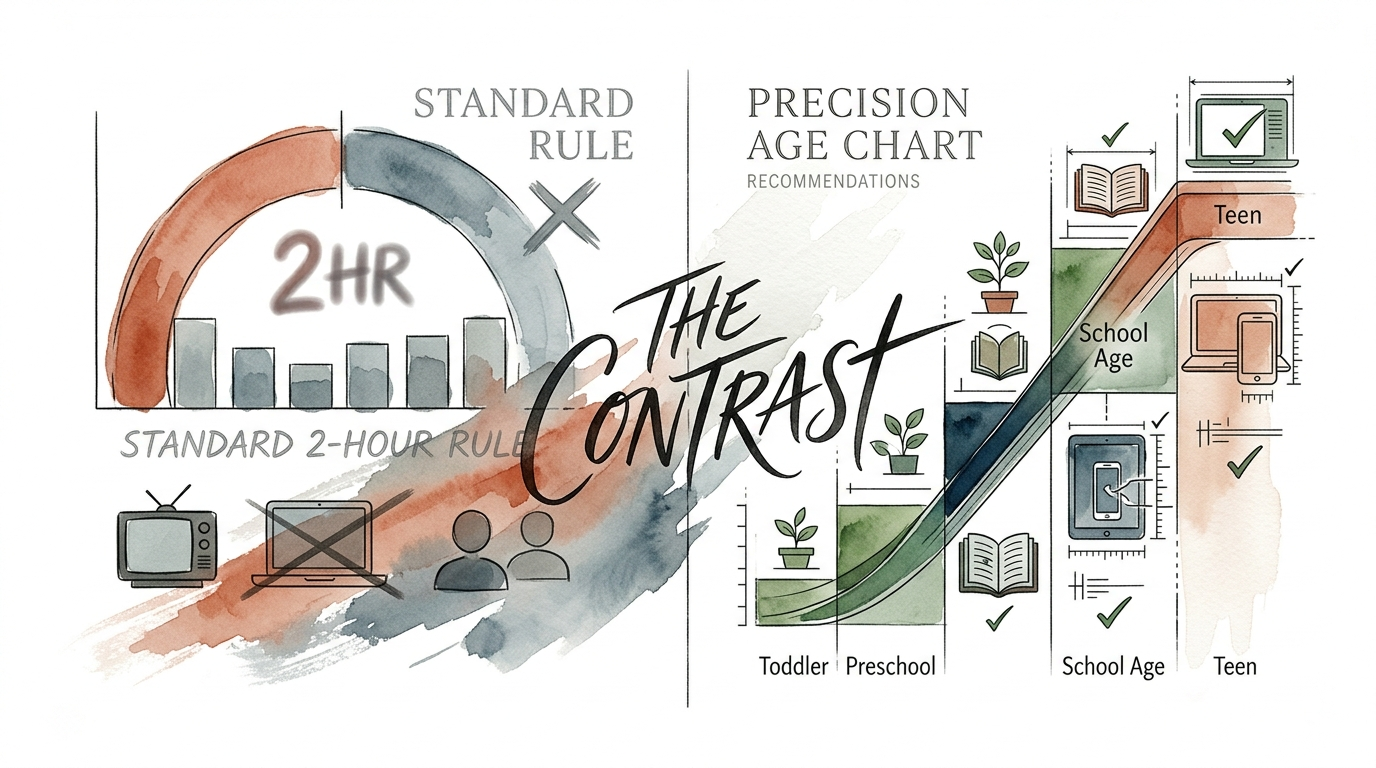
A toddler and a teen shouldn’t have the same digital diet. One-size-fits-all rules don’t work for brain development. Use our precision chart to set age-appropriate boundaries that respect their growth.
Navigating the digital world as a parent feels like walking a tightrope. Every year, new apps emerge, and the “rules” seem to shift under our feet. We worry about attention spans, social skills, and the mysterious impact of blue light on a developing mind. You are not alone in this struggle.
Modern parenting requires a move away from rigid, outdated timers. The old “two-hour rule” is a relic of the television era. Today, a tablet can be a canvas, a classroom, or a casino. Understanding the difference is the first step toward a healthy family dynamic. This guide breaks down the science and provides a roadmap for every stage of your child’s life.
screen time chart by age
A screen time chart by age is a strategic framework designed to align digital exposure with a child’s neurological and emotional maturity. It acts as a safety rail, ensuring that technology serves as a tool for growth rather than a distraction from essential developmental milestones. These charts are used in households, pediatric offices, and schools to create a common language for digital wellness.
In the real world, these guidelines help parents decide when to say “yes” to an educational app and when to say “no” to a mindless scroll. They translate complex pediatric research into actionable daily limits. For example, a toddler’s brain is rapidly wiring itself for language through human interaction. A teen’s brain is refining its reward systems and social identity. A precision chart respects these differences by offering a “sliding scale” of access and independence.
Think of it like a nutritional guide. Just as you wouldn’t feed a newborn solid food, you shouldn’t expose an infant to high-stimulation video content. As they grow, their “digestive system” for media matures. The following chart synthesizes the latest recommendations from the American Academy of Pediatrics (AAP) and the World Health Organization (WHO) for 2024 and beyond.
| Age Group | Daily Time Limit | Focus & Content Type | Primary Goal |
|---|---|---|---|
| 0–18 Months | Near Zero | Video calls only (family/friends) | Real-world sensory bonding |
| 18–24 Months | Limited / Occasional | High-quality educational co-viewing | Language and object naming |
| 2–5 Years | Maximum 1 Hour | Interactive, non-violent educational content | Guided learning and creativity |
| 6–10 Years | 1–1.5 Hours | Balance of schoolwork, play, and creation | Digital discipline and habit building |
| 11–13 Years | Up to 2 Hours | Communication, research, and guided social | Social-emotional awareness |
| 14–18 Years | Self-Regulated / Goal-Based | Skill acquisition, networking, and leisure | Intentional and responsible use |
How to Implement a Precision Digital Diet
Creating a digital diet is about more than just setting a kitchen timer. It involves a shift in how your family views devices. Start by auditing your current habits. Observe when your children reach for screens—is it out of boredom, stress, or a genuine desire to learn?
The first step is to establish “Screen-Free Zones” and “Screen-Free Times.” Science shows that the mere presence of a smartphone can reduce cognitive capacity. Keep devices out of bedrooms and off the dinner table. This creates a natural boundary that doesn’t require constant policing.
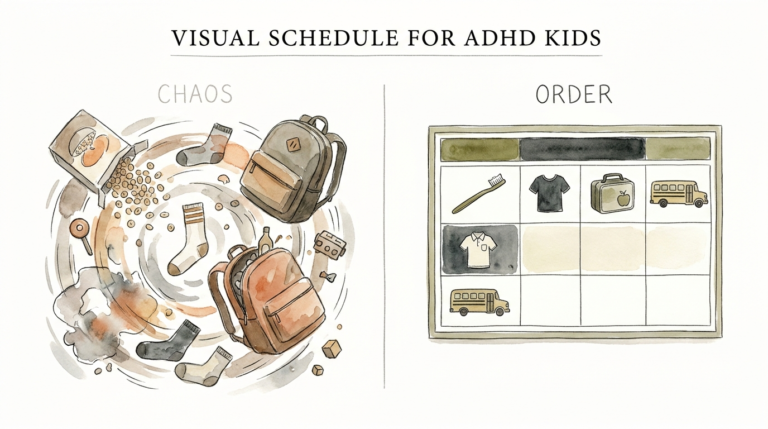
Next, focus on the “Co-Viewing” model for younger children. Instead of using the tablet as a digital babysitter, sit with your child. Ask questions about what they see. This turns a passive experience into a social and linguistic exercise. For older children, transition to a “Media Plan” where they earn leisure screen time by completing offline responsibilities. This teaches the concept of technology as a reward for a balanced life.
Finally, model the behavior you want to see. Children are expert observers. If you are constantly checking your notifications during family time, they will view screens as the ultimate priority. Show them how to use technology with intention. Explain when you are using your phone for work versus when you are using it for a quick break.
Benefits of an Age-Appropriate Approach
Customizing screen time based on age offers measurable advantages for child development. By respecting the neurological windows of growth, you allow the brain to develop essential “offline” skills first. This includes fine motor skills, empathy through facial recognition, and deep-focus reading habits.
One major benefit is the protection of sleep cycles. Research consistently links evening screen use to suppressed melatonin and poor REM sleep. By setting age-appropriate “tech sunsets,” you ensure your child’s brain has the restorative rest it needs to process information and regulate emotions.
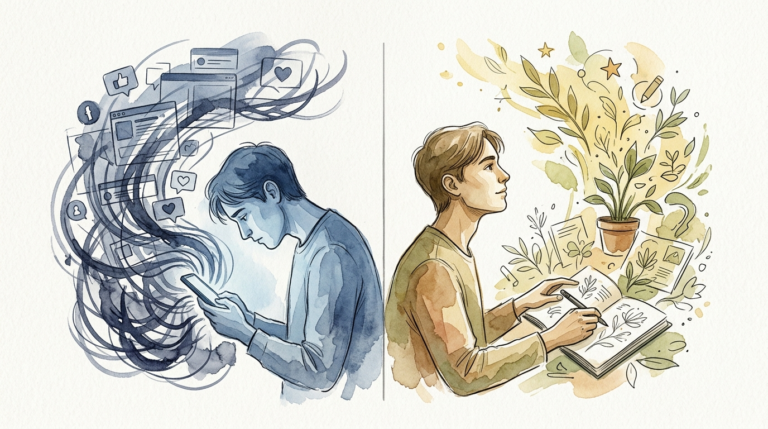
Another advantage is the reduction of “dopamine loops.” Modern apps use infinite scrolling and variable rewards to keep users hooked. Younger children lack the prefrontal cortex maturity to resist these triggers. An age-based chart acts as an external executive function, protecting them from digital addiction while their brains are still vulnerable.
Challenges and Common Mistakes
The most frequent error parents make is using screens as a primary tool for emotional regulation. When a child has a tantrum and is handed a phone to “quiet down,” they lose the opportunity to learn how to self-soothe. This can lead to long-term issues with emotional resilience and frustration tolerance.
Consistency is another significant hurdle. Rules often break down during holidays, travel, or periods of parental stress. While flexibility is necessary, a total abandonment of boundaries creates confusion. Children thrive on predictable structures. When the rules change daily, they are more likely to push back and negotiate every minute.
Avoid the “educational trap.” Many developers label games as “educational” purely for marketing purposes. Just because an app features letters and numbers doesn’t mean it’s beneficial if the gameplay is frantic and over-stimulating. High-quality content should be slow-paced and encourage active thinking rather than reflexive tapping.
Limitations of Universal Guidelines
While a screen time chart by age is a powerful tool, it has its limits. Every child is an individual. A child with ADHD might find screens more addictive than their peers and require stricter boundaries. Conversely, a child with a passion for coding or digital art might benefit from more time spent in “creative mode” than a standard chart suggests.
Environmental factors also play a role. A family living in a safe neighborhood with easy access to parks can easily prioritize outdoor play. A family in a high-density urban area or a harsh climate might rely on digital tools for social connection and mental stimulation. These nuances mean that charts should be used as a baseline, not a rigid law.
The “Standard 2-Hour Rule” often fails because it doesn’t account for the type of activity. Two hours of building a 3D model in a sandbox game is neurologically different from two hours of watching auto-play videos on a social platform. The quality of the “digital calorie” matters just as much as the quantity of time spent.
Practical Tips for Success
Start your journey by downloading a family media plan template. Many pediatric organizations offer these for free. Fill it out together with your children during a calm moment, not in the heat of an argument over a device. When children have a voice in the rules, they are more likely to follow them.
Use technology to manage technology. Built-in tools like “Screen Time” on iOS or “Digital Wellbeing” on Android are excellent for tracking actual usage. You might be surprised to find where the time actually goes. Set “App Limits” for high-dopamine platforms like social media or short-form video apps.
Replace the “Screen Gap” with high-value alternatives. If you take away a tablet, you must provide something else to engage the brain. Keep a “Boredom Box” filled with art supplies, puzzles, or books. Encourage “Open-Ended Play,” which is the natural antidote to the scripted experiences found on screens.
Advanced Considerations for Practitioners
For those looking to go deeper, consider the “Digital Nutrition” framework. This approach categorizes media into “Green, Yellow, and Red” light activities. Green light activities are creative and social (coding, video calling grandparents). Yellow light activities are educational but passive (documentaries). Red light activities are high-arousal and addictive (infinite scrolls, loot-box games).
Serious practitioners should also monitor the “Caudate Nucleus” research. Recent studies suggest that excessive gaming in adolescents can lead to reduced activity in this brain region, which is responsible for reward processing. This means the brain becomes less responsive to everyday joys, requiring more and more digital stimulation to feel the same “high.”
Understanding the “Displacement Hypothesis” is also key. The primary harm of screens isn’t always the content itself, but what it displaces. Is the screen replacing physical activity? Face-to-face conversation? Eye-to-eye contact? Evaluating these trade-offs is the mark of a truly informed approach to digital parenting.
Scenario: The “After-School Meltdown”
Imagine a 7-year-old who comes home from school and immediately demands their tablet. They are exhausted from a day of following rules and seeking a dopamine hit to relax. In a standard house, the parent might give in to avoid a fight, leading to two hours of passive YouTube viewing.
Using the precision chart, the parent recognizes that this age group needs to build “Digital Discipline.” Instead of the tablet, they offer a 20-minute “rest period” with an audiobook or music. Once the child has had a snack and moved their body outside, they earn 45 minutes of a creative game like Minecraft. This approach honors the child’s need for relaxation while maintaining the integrity of their developing focus.
Final Thoughts
Balancing screen time is a marathon, not a sprint. The goal is not to raise a child who is “tech-free,” but one who is “tech-wise.” By using a screen time chart by age, you provide the scaffolding they need to eventually manage these powerful tools on their own.
Remember that the quality of your connection with your child is the most important “protective factor” against digital harm. Talk to them about what they see online. Share your own struggles with staying off your phone. When the digital world feels overwhelming, bring it back to the basics: movement, sleep, and human connection.
Start today by picking one “Screen-Free” habit. Maybe it’s keeping phones away from the breakfast table or turning off the TV an hour before bed. Small, consistent shifts lead to massive changes in brain health and family harmony. You have the tools; now it’s time to build the boundaries.
Sources
1 blueberrypediatrics.com | 2 choc.org | 3 tinypal.com | 4 nih.gov | 5 hubspotusercontent20.net | 6 aap.org | 7 aap.org | 8 aap.org | 9 aacap.org | 10 aap.org | 11 aacap.org | 12 nih.gov | 13 harvard.edu | 14 cincinnatichildrens.org | 15 theparentswebsite.com.au | 16 unplugged.rest | 17 georgetown.edu | 18 timily.app | 19 bklynlibrary.org | 20 cacfp.org | 21 medium.com | 22 psu.edu | 23 dailymom.com | 24 rochester.edu