no phone summer aesthetic
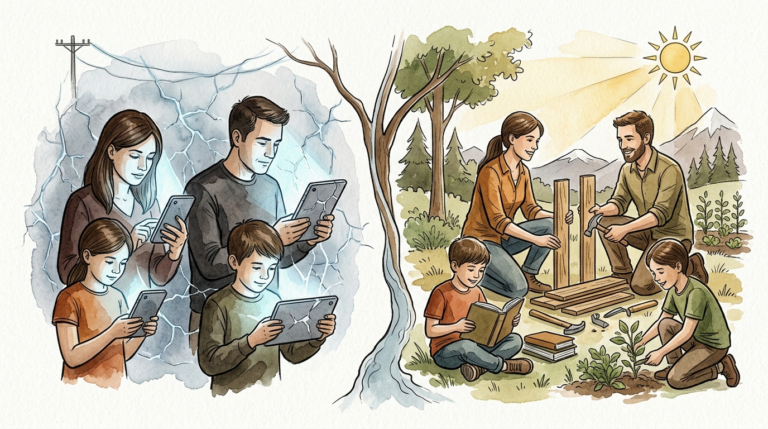
Don’t just watch someone else’s life through a screen. Create your own aesthetic reality. The most beautiful moments aren’t captured on an iPhone—they’re lived through your own eyes. Switch from passive observer to active creator this July. #OfflineAesthetic #SlowSummer
The heat of July often brings a strange paradox. We find ourselves trapped in air-conditioned rooms, scrolling through endless reels of “perfect” summers while our own lives remain on standby. You see the sparkling ocean through a blue-light filter and the vibrant sunset through a compressed JPEG, but the tactile world outside remains untouched.
Choosing an offline life isn’t about moving into the woods and burning your electronics. It is a deliberate shift in attention. It is about reclaiming the hours usually lost to the “infinite scroll” and repurposing them for something you can actually touch, smell, and remember. This guide will walk you through how to transform your summer from a digital consumption loop into a tangible, lived experience.
no phone summer aesthetic
The “no phone summer aesthetic,” often referred to in 2026 as the “Analog Summer” movement, is a lifestyle pivot toward slower, tactile hobbies that pull you away from screens and back into the physical world. It represents a collective exhaustion with “AI slop” and the repetitive nature of generative content that has begun to dominate our feeds. People are moving past the passive scroll and seeking out the “friction” of physical hobbies that require manual effort and focus.
In real-world terms, this aesthetic is defined by the tools and environments that do not require a Wi-Fi signal. Think of a canvas “analog bag” packed with a paperback book, a film camera, a physical map, and a notebook. It is characterized by the grain of a 35mm photograph, the smudges of ink on a journal page, and the rhythmic sound of knitting needles at a park. It exists in the moments where you are unreachable, allowing you to be fully present with the people and scenery immediately in front of you.
This trend has seen massive growth recently, with searches for “analog hobbies” increasing by over 136% and “yarn kits” jumping 1,200% as people look for ways to cope with digital fatigue. It is not just a niche craft revival; it is a fundamental shift in how we define rest. Instead of resting by consuming, we are learning to rest by creating.
How to Transition to an Offline Summer
Transitioning to a phone-free or low-tech lifestyle requires a structural change to your daily environment. You cannot rely on willpower alone to stop scrolling when your device is designed to trigger dopamine responses. You must build physical barriers between yourself and the digital world.
Step 1: Replace “All-in-One” with Single-Purpose Tools. The primary reason we stay glued to our phones is that they serve as our camera, map, music player, and clock. To disconnect, you must unbundle these features. Purchase a dedicated alarm clock so your phone doesn’t enter the bedroom. Carry a point-and-shoot film camera or a Polaroid to capture memories without the temptation of checking notifications. Use an iPod or a dedicated MP3 player for your summer playlists to avoid the algorithmic “shuffle” of streaming apps.
Step 2: Build Your Analog Bag. Create a “survival kit” for your time outdoors. This bag should contain everything you need to stay entertained and informed without a screen. Include a physical book or a literary magazine, a sketchbook, a deck of cards, and a paper map of your local area or travel destination. Having these items on hand provides an immediate alternative when the “boredom itch” strikes.
Step 3: Establish Digital-Free Zones and Times. Set non-negotiable boundaries. Perhaps you are offline every day between 10:00 AM and 6:00 PM on weekends, or you commit to a “phone-free” dinner table. Using a timed lockbox for your device can help enforce these rules during the initial stages of your detox. This creates a psychological “clearance” where your brain stops expecting a notification, allowing you to enter a deeper state of focus.
Benefits of the Offline Aesthetic
The most immediate benefit of an offline summer is the reduction in cortisol levels. Constant connectivity keeps the brain in a state of “continuous partial attention,” where you are always slightly on edge, waiting for the next ping or buzz. Stepping away for even 20 minutes in nature has been shown to reduce stress hormones by 21 percent.
Meaningful connections also flourish in the absence of screens. When phones are put away, “conversations turn on,” allowing for the creation of what many call “core memories.” You begin to notice the nuances of your environment—the way the light hits the trees at 4:00 PM or the specific sounds of your neighborhood—that are usually tuned out when your eyes are fixed on a 6-inch display.
Furthermore, your attention span begins to heal. Short-form video content is engineered to shatter focus, but engaging in “friction-filled” hobbies like knitting, gardening, or reading long-form literature retrains the brain to value delayed gratification. You move from the “high-speed” stress of the internet to the “slow-burn” satisfaction of real-world accomplishment.
Challenges and Common Mistakes
The biggest challenge is the “FOMO” (Fear Of Missing Out). You might worry that friends are making plans without you or that you are missing a viral cultural moment. This feeling is usually strongest in the first 72 hours of a detox. To combat this, inform your inner circle of your “offline hours” so they know how to reach you in a true emergency via a landline or a scheduled check-in.
A common mistake is going “cold turkey” without a plan. If you remove your phone but don’t have a book, a hobby, or a destination in mind, the resulting boredom will drive you straight back to the screen. You must have a “menu” of offline activities ready to go. Another error is being performative—spending more time staging a “perfect” analog photo for Instagram than actually enjoying the activity. True offline aesthetic is about the experience, not the evidence.
Logistical hurdles also present a risk. Navigating a new city without GPS or trying to coordinate a group meetup without a group chat can be frustrating. These moments of “friction” are actually part of the experience, but they require extra planning. Always keep a backup paper map and set a firm meeting time and place before you head out.
Limitations of a Phone-Free Approach
Total disconnection is not always practical or safe. In 2026, many essential services—from ride-sharing to digital payments and emergency alerts—are tied to mobile devices. If you are traveling alone in an unfamiliar area, having a phone for safety is a necessity, not a luxury. The goal should be “digital minimalism” rather than total digital abstinence.
Work requirements often pose a significant boundary. If your job requires you to be on-call or use specific apps for communication, a “no phone summer” might be restricted to your evenings and weekends. Recognizing these practical boundaries prevents the movement from becoming an added source of stress. It is better to have a successful “low-phone” summer than a failed “no-phone” one.
Passive Scrolling vs. Active Creating
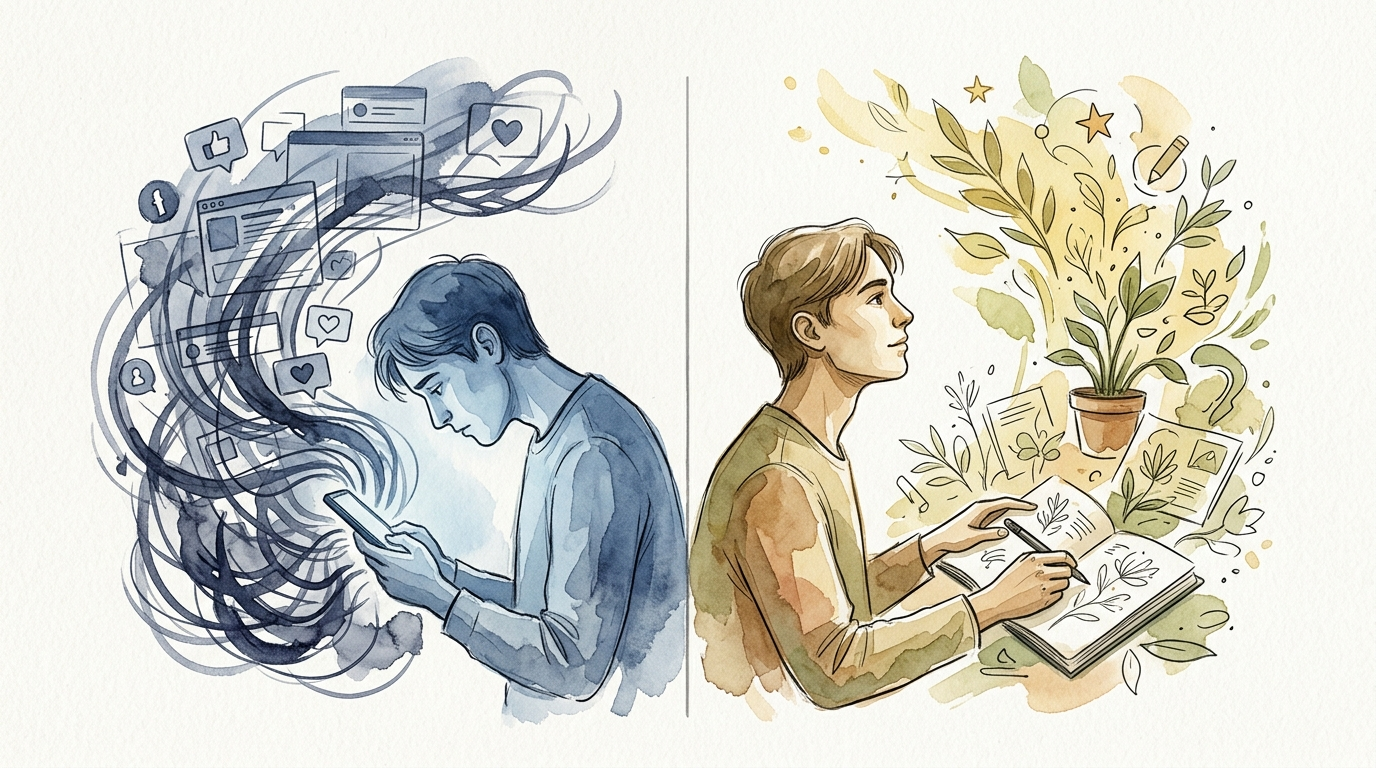
Understanding the difference between these two states of mind is crucial for maintaining your summer aesthetic. Passive scrolling is low-effort and provides quick dopamine hits that leave you feeling drained. Active creating requires effort and “friction” but results in long-term fulfillment.
| Feature | Passive Scrolling | Active Creating |
|---|---|---|
| Cognitive Demand | Low / Minimal | High / Focused |
| Emotional Outcome | Anxiety, Comparison, Fatigue | Satisfaction, Flow, Calm |
| Dopamine Type | Short-burst / Addictive | Steady / Regulated |
| Memory Retention | Poor / “Digital Amnesia” | Strong / Tactile Memories |
| Skill Level | None required | Increases over time |
Choosing “Active Creating” means you are the protagonist of your own life. When you scroll, you are a spectator in someone else’s. This summer, prioritize the “high-friction” activities that lead to a tangible result, whether that is a finished sweater, a full sketchbook, or a thriving garden.
Practical Tips for a Slow Summer
To make your offline transition easier, try these immediate adjustments to your device and environment:
- Grayscale Mode: Turn your phone’s display to black and white. This makes the colorful icons of social media apps far less appealing and reduces the “gamified” urge to click.
- Physical Alarm Clock: Buy a simple battery-operated clock. This allows you to keep your phone in another room overnight, ending “revenge bedtime procrastination” and “bed rotting.”
- Paper Maps and Schedules: Before going on a hike or a day trip, print out your directions or use a physical map. This prevents the “just checking the route” excuse that leads to a 20-minute Instagram detour.
- Analog Photography: Use a disposable or film camera. The wait time between taking the photo and seeing the result creates a sense of “nostalgic anticipation” that digital photos cannot match.
- Commonplace Books: Carry a small notebook to jot down quotes, ideas, or things you want to research later. This stops you from opening your phone the moment a thought pops into your head.
Advanced Considerations: The Philosophy of Friction
For those who want to go deeper, consider the “Philosophy of Friction.” Modern technology is designed to be “frictionless”—everything is instant, easy, and automated. However, human fulfillment often comes from the things that are difficult. The effort required to hand-grind coffee beans, develop film, or navigate via the stars creates a deeper sense of agency.
Scaling this concept might involve a “monastic weekend,” where you spend 48 hours in total silence and digital darkness. This “dopamine fasting” resets your baseline, making simple pleasures—like the taste of a fresh peach or the feeling of cool water—feel significantly more intense. Serious practitioners of the offline aesthetic often find that after a period of intentional “friction,” their ability to focus on complex tasks at work or school improves dramatically.
Examples of an Offline Scenario
Consider the difference between two Saturday afternoons at the beach. In Scenario A, you arrive with your phone. You spend the first 30 minutes finding the right angle for a “beach day” photo. You check the likes every few minutes. You scroll through TikTok while sunbathing. You leave feeling slightly sunburnt and mentally cluttered, with a camera roll full of photos you’ll never look at again.
In Scenario B, you bring an “analog bag” containing a paperback novel, a frisbee, and a sandwich wrapped in brown paper. Your phone is locked in the car. You spend three hours reading without interruption. You play a game with friends. You notice the tide coming in. You take two photos with a Polaroid camera—one of the group and one of the waves. You go home feeling physically tired but mentally refreshed, with two physical photos that will sit on your desk for years.
The difference isn’t the location or the weather. It is the quality of your attention. Scenario B represents the “active creator” mindset, where the day is lived for the person experiencing it, not the person viewing it through a feed.
Final Thoughts
Embracing a “no phone summer aesthetic” is an act of rebellion against an attention economy that wants to keep you passive. By reintroducing “friction” and tactile experiences into your life, you reclaim your time and your mental health. You move from being a consumer of content to a creator of memories.
This July, challenge yourself to be the person who is “hard to reach” because they are too busy living. Fill your analog bag, leave your charger at home, and let your eyes adjust to the natural world. The most aesthetic reality is the one happening right now, without a filter.
Experiment with one small change today—perhaps it is buying a physical book or turning off your notifications for an afternoon. Once you feel the peace that comes with being offline, you may find that the “Slow Summer” is not just a seasonal trend, but a better way to live year-round.
Sources
1 levenger.com | 2 kansascity.com | 3 miamiherald.com | 4 miamiherald.com | 5 knowthecommunity.com | 6 womansworld.com | 7 insidehook.com | 8 substack.com | 9 substack.com | 10 unwind.studio | 11 kansascity.com | 12 wmchealth.org | 13 sallymatheny.com | 14 medium.com | 15 europa.eu