family connection activities for kids
Being in the same room isn’t the same as being together. It’s time to bridge the gap. Modern life keeps us isolated even when we’re inches apart. These activities are designed to integrate your lives back into a shared story.
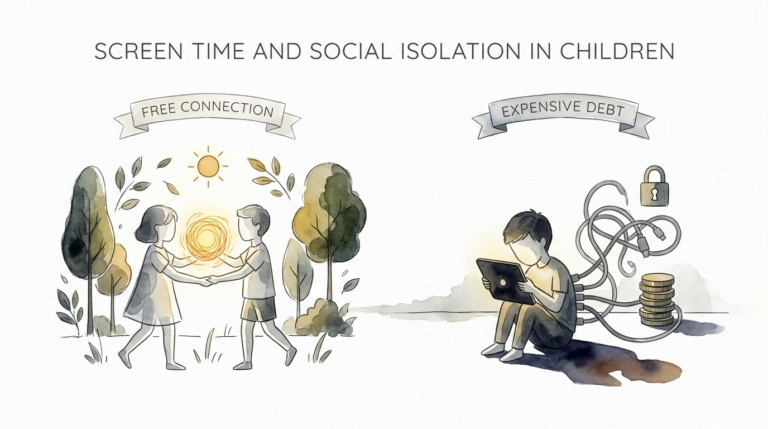
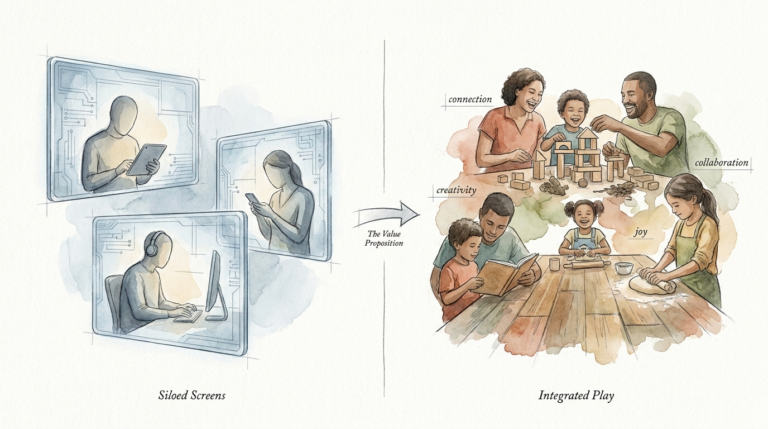
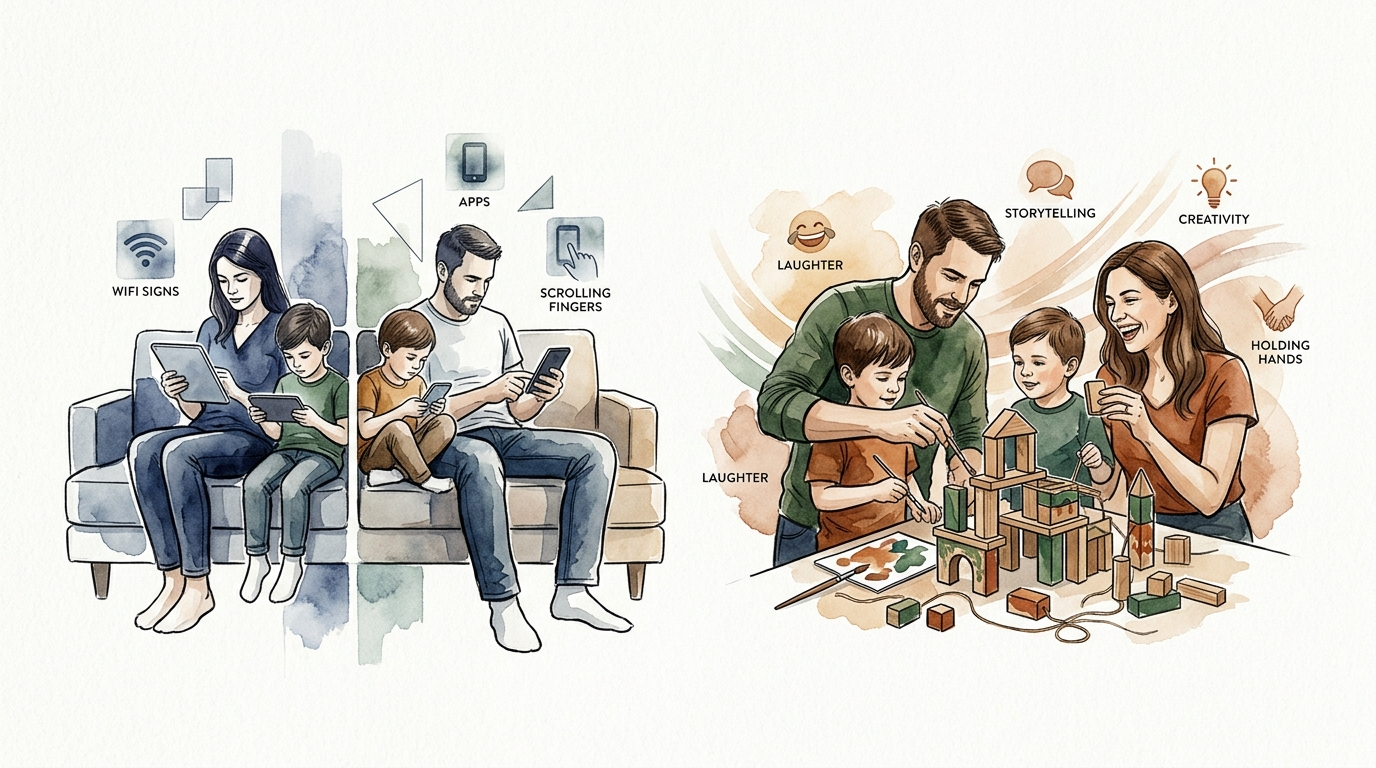
The modern home often looks like a collection of individuals living parallel lives. One person is scrolling on a phone, another is watching a tablet, and a third is caught in the mental clutter of a work email. While everyone is physically present, the emotional connection remains dormant. This phenomenon, often called “isolated proximity,” creates a silent distance that can be harder to bridge than physical miles {Link: 1.5.3, 1.5.8}.
Meaningful connection isn’t about grand gestures or expensive vacations. It’s about intentionality. These family connection activities for kids are designed to break the cycle of digital distraction and replace it with integrated connection—where your stories, laughter, and attention are woven together {Link: 1.1.3, 1.3.1}.
family connection activities for kids
Family connection activities for kids are intentional interactions designed to build secure attachments, foster open communication, and create a shared family identity. These aren’t just “hobbies” or ways to pass the time; they are the biological super glue that holds a family unit together during stress {Link: 1.1.2, 1.2.7}.
In a real-world setting, these activities serve as a buffer against the pressures of school, work, and social media. When a child feels truly connected to their parents, they are more likely to share their struggles and successes because the “doors of communication” have been kept open through consistent, low-pressure play {Link: 1.2.3, 1.4.9}.
Think of connection activities as an investment in a “relational bank account.” Every time you engage in child-led play or share a silly story, you are making a deposit. When life gets difficult—as it inevitably does during the teenage years—you can draw on that built-up trust to navigate challenges together {Link: 1.1.2}.
How to Foster Deep Connection Step-by-Step
Building a connected home requires a shift from passive presence to active participation. You don’t need a massive budget; you need a commitment to showing up mentally. Research shows that child-led play, where the parent follows the child’s lead without trying to teach or correct, is one of the fastest ways to build secure attachment {Link: 1.1.3, 1.4.8}.
Step 1: The Daily Check-In Ritual
Start with a low-stakes daily ritual. A “Storytelling Circle” or “Evening Roundtable” allows every family member to share one highlight or one surprise from their day. For younger children, use specific prompts like “What made you smile today?” to help them process their emotions {Link: 1.1.4, 1.4.1}.
Step 2: Reclaim the Table
Mealtime is the traditional heart of the home, but it’s often rushed. Try moving reading time to the breakfast table when energy levels are higher and kids are more engaged {Link: 1.1.9}. Alternatively, use dinner for a “Gratitude Practice,” where everyone shares one thing they are thankful for. This shifts the family’s focus from what is lacking to what is abundant {Link: 1.1.4, 1.3.3}.
Step 3: Intentional Movement
Physical proximity combined with movement creates unique bonding opportunities. Family walks or hikes allow for conversation to happen naturally without the pressure of direct eye contact, which often helps older children and teens open up {Link: 1.1.3, 1.1.8}. Biking or outdoor games like soccer also promote physical health while building a “team” mentality {Link: 1.4.5}.
Step 4: Collaborative Creativity
Engaging in a shared project, like building a blanket fort or cooking a family favorite recipe, requires cooperation and problem-solving. These activities teach kids that their contributions matter to the whole family {Link: 1.1.8, 1.3.8}. For multi-age groups, choose open-ended activities like “recycled art” where each child can contribute at their own skill level {Link: 1.4.7}.
The Measurable Benefits of Connection
Investing in family bonding isn’t just about “feeling good”; it has profound impacts on a child’s development. Scientific research consistently shows that supportive parent-child relationships are a key pillar of long-term mental and physical health {Link: 1.2.6}.
Emotional Intelligence and Resilience: Regular interactions provide a sense of security and stability. When children know they have a reliable support system, they develop higher self-esteem and better emotional regulation skills {Link: 1.2.5, 1.2.9}. Cohesive families help children mitigate the risks of anxiety and depression through open communication {Link: 1.2.4}.
Social Competence: Through games and shared activities, kids practice essential social skills like sharing, empathy, and conflict resolution {Link: 1.2.5}. Studies have shown that children who frequently engage in family bonding have fewer behavioral problems in school and are more resilient during life transitions {Link: 1.2.3, 1.3.5}.
Cognitive and Language Development: Simple acts like reading together or discussing a documentary expand a child’s vocabulary and comprehension. Shared play with sensory materials wires the brain for creative problem-solving and critical thinking {Link: 1.2.5, 1.2.7}.
Challenges and Common Mistakes
The biggest hurdle to family connection in 2025 is “Distracted Parenting.” This happens when we are physically present but mentally occupied by screens. Even if you are sitting on the floor with your child, if you are checking a notification every two minutes, the child senses the disconnect {Link: 1.3.7, 1.5.8}.
Another common pitfall is the “Teaching Trap.” Parents often feel the need to turn every activity into a lesson. If you are playing a board game and spend the whole time correcting your child’s strategy, the connection is lost to the pressure of performance. The goal of bonding is joy, not mastery {Link: 1.1.3}.
Busy schedules are a reality for most families. We often wait for a “free weekend” to bond, but those weekends rarely come. The mistake is thinking connection requires hours of time. In reality, 10 to 15 minutes of fully present, focused attention is more valuable than four hours of “isolated proximity” {Link: 1.1.3, 1.5.8}.
Limitations and Realistic Constraints
It is important to recognize that some seasons of life are harder for connection than others. During periods of high stress, such as a career change or a family illness, you may not have the bandwidth for elaborate activities. In these cases, focus on “micro-rituals” like a 30-second hug or a quick check-in before school {Link: 1.2.6, 1.3.3}.
Age gaps can also present a challenge. An activity that delights a toddler might bore a teenager. The key is to find “open-ended” tasks or to create specific “one-on-one” times for each child to ensure their developmental needs are met {Link: 1.4.6, 1.4.9}.
Neurodivergent children may also require different approaches to connection. Traditional eye-contact-heavy activities might be overstimulating. For these children, side-by-side connection—like building LEGOs or drawing together—can be far more effective than direct conversation {Link: 1.1.6}.
Comparison: Isolated Proximity vs. Integrated Connection
Understanding the difference between being “nearby” and being “connected” is crucial for changing family dynamics. The following table highlights the measurable differences in these two states {Link: 1.5.3, 1.5.4}.
| Feature | Isolated Proximity | Integrated Connection |
|---|---|---|
| Primary Activity | Individual screens or tasks | Shared experience or dialogue |
| Attention | Fragmented and reactive | Focused and responsive |
| Communication | Functional (logistics only) | Relational (feelings/stories) |
| Emotional Impact | Feelings of loneliness/detachment | Feelings of security/belonging |
| Long-term Effect | Drifting apart over time | Building a “Family Identity” |
Practical Tips for Immediate Application
If you want to start bridging the gap today, focus on “micro-moments.” You don’t need to overhaul your entire life; you just need to claim small pockets of time {Link: 1.3.8}.
- The 10-Minute Walk: Every evening, take a 10-minute walk with one child. Let them lead the way and the conversation. Just listen without offering advice {Link: 1.1.3}.
- Screen-Free Car Zones: Make short car rides (under 30 minutes) a phone-free zone. Use this time for “I Spy,” silly songs, or talking about the upcoming day {Link: 1.1.9}.
- Special Handshakes: Create a unique secret handshake with each child. It’s a fast, physical way to signal “I see you, and you are part of my inner circle” {Link: 1.4.8}.
- “Yes” Moments: Once a week, commit to saying “yes” to 15 minutes of play the child suggests, no matter how tired you feel. This shows them you value their world {Link: 1.1.3}.
Advanced Considerations for Long-Term Bonding
For families ready to go beyond the basics, consider creating a “Family Mission Statement” or establishing “Sacred Traditions.” These deep-level strategies provide a sense of continuity and identity that kids carry into adulthood {Link: 1.3.5, 1.3.9}.
The Family Meeting: A structured weekly meeting (15–20 minutes) can be used to plan the week, resolve conflicts, and celebrate individual achievements. This gives children a democratic voice in how the family operates and teaches them about values and responsibility {Link: 1.1.6, 1.3.5}.
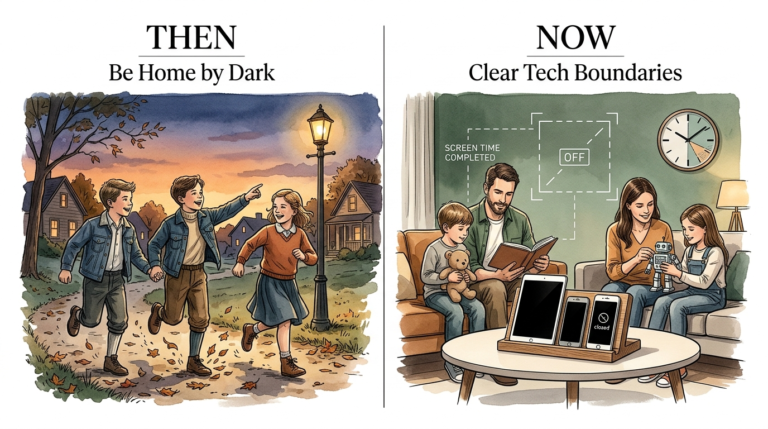
Digital Detox Rituals: Some families take a “Tech Sabbath”—a 24-hour period once a week where all devices are put away. While challenging at first, this creates a vacuum that kids naturally fill with imaginative play and deeper conversation {Link: 1.3.1, 1.3.4}.
Real-World Examples of Connection in Practice
Scenario: The Sunday Reset
Instead of spending Sunday afternoon catching up on laundry and emails while the kids watch TV, the family spends two hours on a “Shared Reset.” This includes 30 minutes of “Kitchen Creations” (prepping school lunches together), 30 minutes of a family game (like Uno or Charades), and an hour of outdoor activity. The result is a family that feels prepared for the week ahead and emotionally connected rather than stressed and isolated {Link: 1.1.7, 1.1.8, 1.4.1}.
Scenario: The Bedtime “Gratitude Stone”
A parent keeps a small decorated stone on the child’s nightstand. Every night, they hold the stone and share one thing they loved about the other person that day. This simple, two-minute ritual ensures the last interaction of the day is positive and grounding, reinforcing a secure attachment before sleep {Link: 1.1.8}.
Final Thoughts
Reconnecting with your children doesn’t require a master plan or a perfect schedule. It requires the courage to put down the phone, look them in the eyes, and enter their world. Whether it’s through a silly game of thumb-wrestling or a quiet walk at sunset, these intentional moments are the building blocks of a resilient family story {Link: 1.1.2, 1.4.3}.
The goal isn’t to be a perfect parent, but a present one. By shifting from isolated proximity to integrated connection, you are giving your children the greatest gift possible: the certainty that they are seen, loved, and valued within the walls of their own home {Link: 1.2.9, 1.5.7}.
Start small. Pick one activity from this list and try it today. You might be surprised at how quickly the energy in your home shifts when you choose to bridge the gap and truly be together.
Sources
1 thoughtlab.com | 2 mixbook.com | 3 busytoddler.com | 4 nurturingparenting.com | 5 chromaela.com | 6 chromaela.com | 7 pontchartrainpediatrics.com | 8 connectedfamilies.org | 9 connectedfamilies.org | 10 familiesforlife.sg | 11 allintherapyclinic.com | 12 mhawny.com | 13 sunrayaba.com | 14 momonpurpose.com