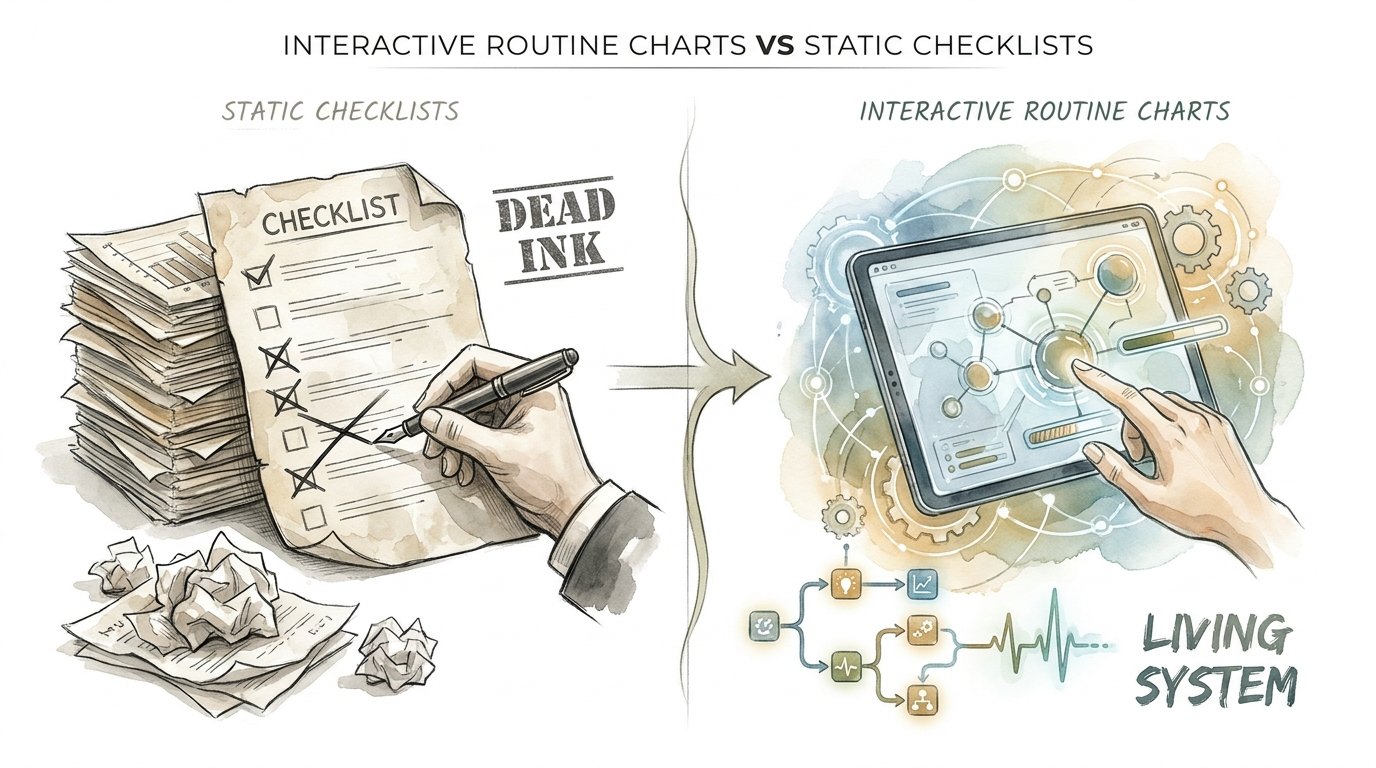
Interactive Routine Charts Vs Static Checklists
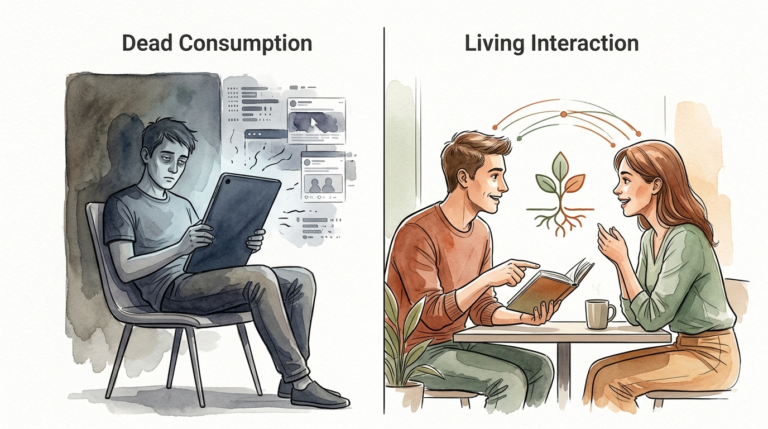
If your routine chart doesn’t move, your child’s motivation won’t either. A static list is ‘Dead’—it has no feedback and no life. A ‘Living’ system involves movement, tactile feedback, and a sense of progression. When a child moves a physical object to mark progress, they aren’t just checking a box; they are experiencing the dopamine of completion.

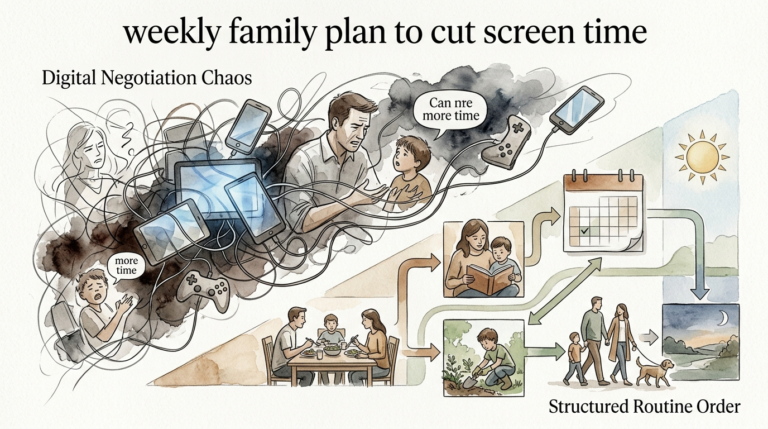
Stop shouting from the kitchen. Stop the “did you brush your teeth?” loop. Most parents rely on “Dead Ink”—paper lists that blend into the wallpaper after three days. A living system transforms chores from a nagging session into a gamified mission. It bridges the gap between a parent’s expectations and a child’s developing brain.
This guide explores the transition from static checklists to interactive, high-energy routine systems. You will learn the neuroscience of why “The Click” matters and how to build a system that actually sticks.
Interactive Routine Charts Vs Static Checklists
An interactive routine chart is a physical, tactile tool that requires a child to manipulate an object to signify the completion of a task. A static checklist is a flat piece of paper with a list of words or icons. The difference is the “Living” versus “Dead” distinction. Static lists rely on working memory and internal motivation—two things children are still building.
Interactive systems exist to externalize the process of thinking. In the real world, we use stoplights, sirens, and haptic vibrations on our phones to keep us on track. Children need these same physical cues. Instead of just looking at a word like “Shoes,” the child moves a magnet from “To Do” to “Done.” This physical displacement signals to the brain that a cycle has closed.
Visual schedules transform abstract concepts like “morning” into a series of actionable, physical wins. Static lists are often ignored because they provide zero sensory feedback. Interactive charts thrive because they engage the motor cortex and provide an immediate, sensory-based reward.
The Neuroscience of the Living System
Why does a physical slider feel better than a pen mark? It comes down to dopamine and the way the brain processes rewards. Research into habit formation shows that dopamine is released not just when we finish a goal, but during the “anticipatory” phase of a task. A living system heightens this anticipation.
Tactile Feedback and the Dopamine Loop
When a child reaches for a Velcro tab or a wooden slider, they engage in a multi-sensory experience. They feel the resistance of the Velcro. They hear the “scritch” sound. This sensory input hits the brain harder than a silent pen stroke. It creates a stronger neural pathway.
Dopamine facilitates the transition from goal-directed behavior to habitual behavior. In the early stages of learning a routine, the brain needs frequent hits of “completion” to stay engaged. A static list feels like work. An interactive chart feels like a game where you are “leveling up” with every slide.
Reducing Cognitive Load
Children, especially those with ADHD or executive function challenges, often struggle with “Time Blindness.” They cannot see the steps required to get from Point A to Point B. A living system acts as an external hard drive for their brain. It holds the “mental sticky notes” so the child doesn’t have to.
When the routine is physical, the child doesn’t have to remember the next step. They only have to look at the board. This reduces the “Cognitive Load”—the mental effort required to process information. Less mental effort means less frustration and fewer meltdowns.
How to Build Your Living Routine System
Building a living system doesn’t require a degree in engineering. It requires a commitment to physical movement. Follow these steps to move from “Dead Ink” to a “Living System.”
Step 1: Identify the Friction Points
Don’t try to track the whole day at once. Focus on the “Transitions.” The morning rush, the after-school transition, and the bedtime wind-down are the most common areas where routines fail. Pick one zone to start.
Step 2: Choose Your Interactive Medium
Movement is the key. You need a physical mechanism that a child can touch and change. Common options include:
- The Flip-Up Chart: Use cardstock flaps with magnets. When a task is done, the child flips the flap up to reveal a “Good Job!” or a star.
- The Slider Board: Use a board with small wooden or plastic sliders that move from a red “X” to a green “Check.”
- The Velcro Transfer: Have a “To Do” column and a “Done” column. The child physically pulls the icon from one side and sticks it to the other.
- The Pegboard System: Use clothespins with task names. Move the peg from one side of a string to the other.
Step 3: Use High-Contrast Visuals
Words are for adults. Icons and photos are for kids. Use clear, high-contrast images of the actual items the child uses. A photo of *their* toothbrush is more powerful than a clip-art icon of a random one. This creates an immediate mental connection.
Step 4: The “Eye-Level” Rule
If the child has to look up to see the chart, it’s not for them—it’s for you. Mount the living system at the child’s eye level in the specific location where the tasks happen. The morning routine belongs in the bathroom or hallway. The homework routine belongs at the desk.
Benefits of a Living System
Switching to an interactive routine chart offers measurable benefits for both the parent and the child. It moves the household from a “Commander and Soldier” dynamic to a “Coach and Athlete” dynamic.
Increased Independence
The greatest benefit is the reduction of verbal prompts. Instead of saying “Put on your socks” ten times, you simply say, “Check your board.” This empowers the child to take ownership. They aren’t doing it because you told them to; they are doing it because the board shows it’s the next step in the mission.
Confidence and Self-Efficacy
Every time a child moves a slider, they receive a visual proof of their competence. They see their progress accumulating. This builds “Self-Efficacy”—the belief in one’s own ability to complete tasks. This confidence often spills over into schoolwork and social interactions.
Predictability and Reduced Anxiety
Anxiety often stems from the unknown. For a child, the “What’s next?” can be overwhelming. A living system provides a roadmap. It makes the world predictable. When the world is predictable, the nervous system stays regulated. This leads to fewer emotional outbursts during transitions.
Challenges and Common Mistakes
Even the best living systems can fail if they aren’t managed correctly. Avoid these common pitfalls to keep the system “alive.”
Overcomplicating the List
A common mistake is adding twenty tasks to a single board. This creates visual clutter and leads to “Goal Fatigue.” Keep it to 5–7 key tasks. If a child sees a wall of “To Do” items, their brain will shut down before they even start.
Using the Chart as a Punishment
The living system should be a tool, not a threat. Avoid saying, “If you don’t move your slider, no iPad.” This attaches negative emotions to the routine. Instead, make the completion of the board the “Key” that unlocks the next fun activity. The reward is built into the sequence, not used as a stick.
The “Set It and Forget It” Trap
A living system needs occasional updates. If the child has mastered “Brushing Teeth” to the point where it’s automatic, remove it from the board. Replace it with a new challenge. If the board stays the same for six months, it will eventually become “Dead Ink” again.
Limitations: When This May Not Work
While interactive charts are powerful, they are not a universal fix for every behavioral issue. Understanding the limitations helps you set realistic expectations.
Environmental Overload
If your home is chaotic and the chart is buried under mail and toys, it will fail. The chart needs a dedicated, clean space to function as a visual anchor. If the environment is too stimulating, the child may not even notice the “Living” system.
Developmental Mismatch
A system that works for a 4-year-old (heavy on pictures and Velcro) will feel patronizing to a 10-year-old. Older children often prefer “Checklists 2.0″—perhaps a minimalist sliding board or a digital-physical hybrid. You must match the complexity of the tool to the child’s developmental stage.
The Need for Parental Modeling
A routine chart is not a robot that raises your child. You still need to be present, especially in the first 21 days. You are the coach. You must model how to use the board. If the parent doesn’t respect the system, the child won’t either.
Comparison: Static vs. Interactive vs. Digital
Choosing the right format depends on your child’s specific needs and your household’s lifestyle.
| Feature | Static Checklist | Interactive Board | Digital App |
|---|---|---|---|
| Sensory Feedback | None (Dead Ink) | High (Tactile/Sound) | Medium (Visual/Pings) |
| Cost | Very Low | Low to Medium (DIY) | Subscription Based |
| Focus Level | Low (Easily Ignored) | High (Physical Hook) | Moderate (Distraction Risk) |
| Maintenance | Low | Moderate | Low |
Practical Tips for Success
Start small and scale fast. Use these best practices to ensure your living system survives the first week.
- The “Launch” Event: Don’t just hang the board. Have a family meeting. Let the child help pick the stickers or icons. Make it an “unboxing” experience for their new “Success System.”
- Use the “Beat the Clock” Method: Add a visual timer next to the interactive chart. Can they flip all the tabs before the sand runs out? This adds a layer of healthy competition.
- Location, Location, Location: Place the “Morning Routine” board on the back of the front door. It’s the last thing they see before they leave. It ensures nothing is forgotten.
- The “Done” Reward: The final icon on the board should be something the child loves. “5 Minutes of Dance Party” or “Choose Your Breakfast.” The movement leads to a clear destination.
Advanced Considerations: Scaling and Evolution
Once your child has mastered the basics, you can tune the system for higher performance. Serious practitioners of routine systems look for ways to transition from external tools to internal habits.
The “Blank Slot” Strategy
Introduce a “Wildcard” slot on the interactive board. This is a space where the task changes daily. It keeps the child’s brain from going on autopilot. One day it might be “Pick up 5 Legos,” and the next “Water the plant.” This develops cognitive flexibility.
Scaling for Multiple Children
If you have multiple kids, avoid the “Wall of Chaos.” Don’t put everyone on one board. Give each child a distinct color or a separate physical board. This prevents sibling rivalry from derailing the routine. It also allows you to customize the tasks to each child’s specific developmental needs.
Integrating with Executive Function Training
For neurodivergent children, use the board as a “Social Story.” Use the icons to show not just *what* to do, but *how* it will feel. Add a “Check Your Mood” slider at the bottom. This helps the child connect their physical progress with their emotional state.
Example Scenario: The Morning Transformation
Consider the “Smith” family. Their mornings were a blur of shouting and forgotten backpacks. They used a paper list on the fridge—classic Dead Ink. No one looked at it.
They switched to a “Living” PVC slider board. The board had five tasks: Get Dressed, Eat Breakfast, Brush Teeth, Pack Bag, Put on Shoes. They mounted it in the hallway at eye level for their 6-year-old, Leo.
On Day 1, Leo was curious. He moved the first slider. *Click.* He liked the sound. He moved the second. By Day 4, he was racing to the board before his parents even woke up. The tactile feedback of the slider provided enough of a dopamine hit to keep him engaged. The parents stopped nagging. The morning silence was the measurable result of switching from a dead list to a living system.
Final Thoughts
If your home feels like a constant battle of wills, look at your tools. Are you asking your child to use a “Dead” system in a “Living” world? Paper and pen are for records; movement and tactile feedback are for growth.
An interactive routine chart is more than just a chore list. It is a bridge. It bridges the gap between your expectations and your child’s capabilities. It provides the “The Click” that the human brain craves when finishing a task.
Start today. Grab some Velcro, some cardstock, or a pre-made slider board. Move your routine from the page to the physical world. Watch as your child moves from “What do I do now?” to “Look what I just finished!” The dopamine of completion is waiting. Apply these principles and turn your routine into a living, breathing success story.
Sources
1 youtube.com | 2 northwestern.edu | 3 metaoh.org | 4 cuppacocoa.com | 5 biermanautism.com | 6 mastermindbehavior.com | 7 youtube.com | 8 cassiescroggins.com | 9 finnandemma.com | 10 cheshirefitnesszone.com | 11 lizardcentre.com