Diy Sensory Play With Leaves And Twigs
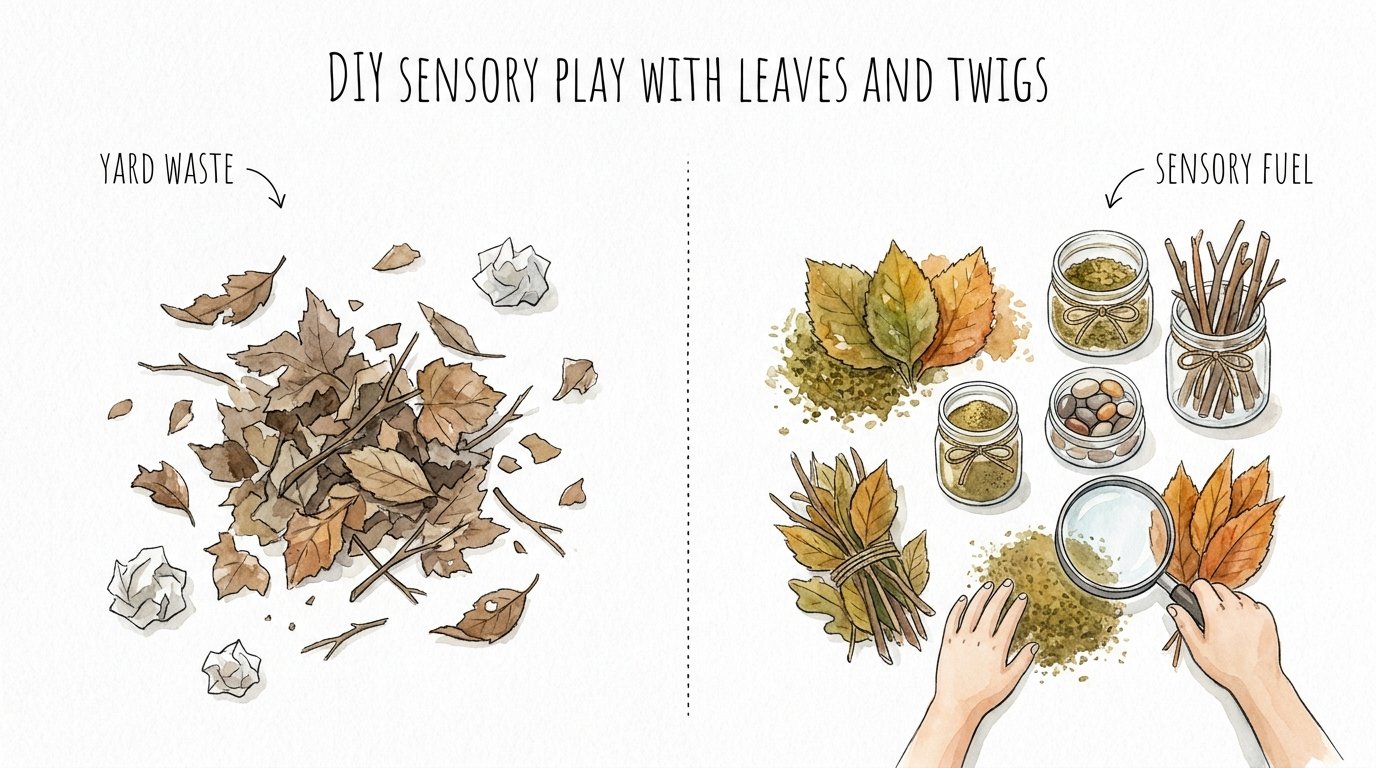
The very things you are bagging for the landfill are actually the most complex sensory tools in your yard. Every autumn, we pay for plastic bags to haul away the most nutrient-dense sensory experience our children could ask for. Those ‘messy’ leaves aren’t waste; they are the fuel for a child’s tactile investigation, offering a variety of crinkles, smells, and textures that no plastic toy can replicate.

Fallen foliage represents more than just a seasonal chore. It serves as a biological treasure chest that sparks immediate curiosity in developing minds. When a child picks up a crisp maple leaf, they aren’t just playing; they are engaging in a sophisticated neurological process that builds brain connections through touch, sound, and visual discrimination.
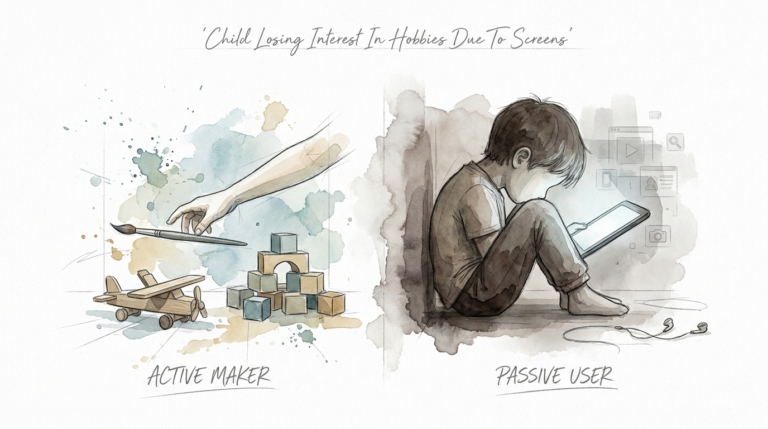
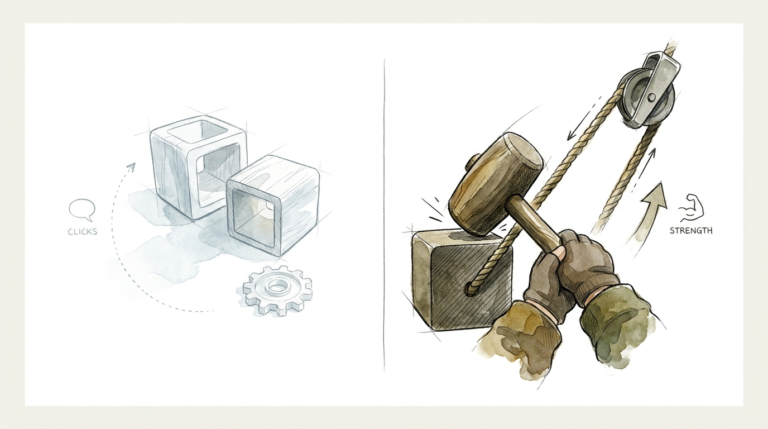
Modern childhood is increasingly dominated by smooth, predictable plastic surfaces. While these toys have their place, they lack the “sensory fuel” found in the natural world. A plastic block feels the same on every side, but no two twigs or leaves are identical. This inherent variety forces the brain to adapt, categorize, and explore in ways that pre-manufactured toys simply cannot demand.
Embracing the “mess” of the backyard allows parents to provide a high-level educational environment for the cost of a rake and a little bit of time. This guide will walk you through the science of natural sensory play and provide actionable ways to turn your yard into a developmental laboratory.
Diy Sensory Play With Leaves And Twigs
DIY sensory play with leaves and twigs is a form of “loose parts” play that utilizes natural materials found in the immediate environment. Loose parts are materials that can be moved, carried, combined, redesigned, lined up, and taken apart in multiple ways. Unlike a toy car that is always a car, a twig can be a magic wand, a bridge for an ant, a stirring spoon for a mud potion, or a structural beam for a fairy house.
This type of play exists because children are biologically programmed to interact with their environment to understand how the world works. In real-world situations, educators in Montessori and Reggio Emilia classrooms use these materials to foster independence and creative problem-solving. Research indicates that children demonstrate significantly more STEM-related behaviors—such as testing hypotheses and observing cause-and-effect—when playing with loose parts compared to fixed-function toys.
Think of leaves and twigs as the original building blocks. A dry oak leaf provides a sharp, rhythmic crunch that teaches a child about the physical properties of desiccation. A flexible willow twig demonstrates elasticity and tension. These aren’t just “yard waste” items; they are sensory-rich tools that help children refine their tactile sensitivity and fine motor control. The unpredictability of natural materials is exactly what makes them so valuable for cognitive development.
Visualizing this concept is easy if you look at a child in a pile of leaves. They aren’t just sitting; they are experiencing weight, temperature, and varying levels of resistance. They are sorting by color (visual discrimination), feeling the veins of the leaf (tactile mapping), and smelling the earthy scent of decomposition (olfactory stimulation). It is a full-body, multi-sensory immersion that prepares the nervous system for more complex tasks later in life.
How To Prepare And Use Natural Materials Safely
Turning the backyard into a play space requires a few steps to ensure the materials are clean and safe, especially if you plan to bring them indoors. Preparation starts with the collection process and ends with proper storage to prevent mold or unwanted “hitchhikers” like insects.
The Collection Process
Walk through your yard and look for areas away from high-traffic zones where pets might frequent. Dog waste can harbor bacteria and parasites that are not easily removed from porous materials like leaves. Focus on collecting “fresh” falls—leaves that have recently dropped and are not yet matting into the soil, which can lead to mold growth.
Choose a variety of shapes and sizes. Maple, oak, and beech leaves offer different structural integrities and color palettes. For twigs, look for “deadfall” that is firm and not showing signs of rot. Avoid wood that is crumbling or has visible fungal growth, as these can release spores that irritate the respiratory system.
Sanitizing for Indoor Play
If you want to create an indoor sensory bin, you must sanitize the materials to kill off bacteria and small insects. For twigs and branches, a vinegar soak is a highly effective, non-toxic method. Mix four parts water with one part white vinegar and soak the twigs for 20 minutes. This helps eliminate surface fungi and bacteria.
Baking is the gold standard for deep cleaning natural wood. Preheat your oven to 200°F (about 93°C). Place the washed and towel-dried twigs on a baking sheet lined with parchment paper. Bake them for 30 to 60 minutes, depending on the thickness of the wood. This low heat effectively kills insect eggs and dries out any remaining moisture that could lead to mold. Always supervise the oven during this process.
For leaves, baking is too harsh and will make them overly brittle. Instead, inspect them individually for bugs. You can wipe smooth leaves with a damp cloth or place them in a sealed bag and put them in the freezer for 24 hours. Freezing is an excellent way to neutralize many common yard pests without damaging the aesthetic of the leaf.
Setting Up the Play Environment
Create a dedicated “nature station” using a shallow plastic bin or a wooden tray. Fill the base with a mix of crushed leaves and whole leaves to provide different levels of resistance. Add “tools” like child-safe tweezers, magnifying glasses, and small buckets. These additions encourage the child to use their fine motor skills to manipulate the materials rather than just sweeping them around.
Benefits Of Leaf And Twig Play
The practical and measurable benefits of natural sensory play extend across every major developmental domain. From the somatosensory cortex in the brain to the muscles in the fingers, natural materials provide a workout that synthetic toys cannot match.
Tactile and Proprioceptive Development
Leaf play is one of the best ways to engage the tactile system. Children learn to discriminate between smooth, rough, prickly, and crunchy textures. This helps the brain learn to “filter” sensory input, which is a key skill for focus and emotional regulation. Furthermore, activities like raking or carrying large bundles of twigs provide proprioceptive input—the sense of “body awareness” that comes from pressure on the joints and muscles.
Cognitive and STEM Skills
Natural materials are inherently mathematical. A child sorting leaves by size or color is practicing early categorization and pattern recognition. When they build a bridge out of twigs and it collapses, they are performing an engineering experiment. They learn about gravity, balance, and structural integrity through trial and error. Research has shown that children using natural materials often have stronger executive function skills because the play is open-ended and requires more planning.
Emotional Regulation and Grounding
Spending time with natural textures has a documented “calming” effect on the nervous system. The “Attention Restoration Theory” suggests that natural environments help children recover from mental fatigue caused by screens or structured school environments. The “soft fascination” of watching a leaf flutter or feeling the grain of a twig allows the brain to recharge, leading to better impulse control and reduced stress levels.
Fine Motor Precision
Picking up a tiny seed pod or peeling the bark off a twig requires refined hand-eye coordination. These movements strengthen the small muscles in the hands that are later used for writing, drawing, and using utensils. Unlike many plastic toys that only require a “button push,” natural materials demand a variety of grips—the pincer grasp, the power grip, and the tripod grasp.
Challenges And Common Mistakes
While natural play is beneficial, there are common pitfalls that can ruin the experience or pose minor health risks. Being aware of these challenges allows you to mitigate them before they become an issue.
Ignoring the “Edge Habitat” Risk: Ticks are often found in the shaded “edges” of yards where the grass meets the woods. This is exactly where the best leaves and twigs tend to accumulate. A common mistake is letting children play in these areas without a tick check afterward. Always perform a thorough check of clothing and skin after a backyard session, especially in the spring and autumn.
Over-Sanitizing: While cleaning materials for indoor use is important, some parents try to bleach leaves or use heavy chemicals. This destroys the natural sensory profile (the smell and texture) and introduces toxins to a child’s play space. Stick to vinegar and low heat; if a material is too “dirty” to clean with those methods, it is better to leave it outside or discard it.
Failure to Rotate Materials: A sensory bin that sits for three weeks with the same leaves will eventually become boring and may attract dust or moisture. A major mistake is treating natural materials like permanent toys. They are meant to be transient. When the leaves become too crushed or the twigs start to splinter excessively, it is time to compost them and find fresh “fuel.”
Using Treated Wood: Never use wood from old fences, pallets, or construction debris. These often contain pressure-treatment chemicals, arsenic, or lead paint. Only use “wild” wood that has fallen naturally from trees to ensure the materials are non-toxic.
Limitations Of Natural Sensory Play
Natural play is not a universal solution for every situation. There are realistic constraints and trade-offs that parents should consider when planning these activities.
Seasonal availability is the most obvious limitation. In many climates, colorful, crisp leaves are only available for a few weeks a year. While you can preserve some leaves with beeswax or laminating, the “fresh” sensory experience is fleeting. This requires parents to be opportunistic and change their play strategies based on the calendar.
Allergies and sensitivities also play a role. Some children are highly sensitive to mold spores that naturally live on decaying vegetation. If your child has a known mold allergy or seasonal hay fever, indoor leaf bins might cause respiratory irritation. In these cases, it is better to keep the play strictly outdoors where there is better airflow.
Mess is a practical boundary. Leaves crumble. Twigs drop bark. Dirt happens. For families living in small apartments or those who find “messy play” stressful, the maintenance of a natural sensory station can be a significant trade-off. It requires a willingness to sweep and vacuum more frequently than a room full of plastic toys would demand.
Comparison: Natural Materials vs. Plastic Sensory Toys
| Feature | Natural Materials (Leaves/Twigs) | Plastic Sensory Toys |
|---|---|---|
| Sensory Complexity | High – Infinite variations in texture, weight, and smell. | Low – Uniform surfaces and predictable feedback. |
| Cost | Free – Sourced from the backyard. | Moderate to High – Requires purchase and replacement. |
| Environmental Impact | Zero – Biodegradable and part of the nutrient cycle. | High – Non-biodegradable and often made from petroleum. |
| Open-Endedness | Infinite – Can be transformed into anything. | Limited – Often designed for specific functions. |
| Maintenance | High – Requires cleaning and frequent replacement. | Low – Easy to wipe down and durable. |
Choosing between natural and plastic often comes down to “short-term pain vs. long-term gain.” Plastic toys are convenient and easy to clean, but they provide a “flat” sensory experience. Natural materials require more effort to prepare and clean up, but they offer a much higher “sensory ROI” (return on investment) for the child’s brain development.
Practical Tips For Maximizing Sensory Play
You can significantly enhance the value of natural play by introducing a few simple techniques and tools. These best practices help move the child from simple “messing around” to focused, investigative play.
- Use a “Mystery Bag”: Place different natural items (a pinecone, a smooth stone, a crunchy leaf, a rough twig) in an opaque cloth bag. Have the child reach in and describe what they feel before pulling it out. This builds “stereognosis”—the ability to identify an object through touch alone.
- Introduce Contrast: Pair leaves and twigs with other materials. Adding water to a bin of leaves changes the texture from “crunchy” to “slick” and “heavy,” providing a completely different sensory lesson.
- Provide Real Tools: Give children magnifying glasses, small mirrors, and rulers. This encourages them to look closer at the veins of a leaf or measure the length of a twig, subtly introducing science and math concepts.
- Create “Transient Art”: Encourage the child to arrange leaves and twigs into patterns or faces on the ground. Because these aren’t glued down, they can be changed infinitely, fostering a “process over product” mindset that is crucial for creative confidence.
- Layer the Experience: Don’t just focus on the hands. Let children walk barefoot (in a safe, checked area) over leaves to stimulate the sensory receptors in their feet.
Advanced Considerations For Serious Practitioners
For educators or parents looking to go beyond basic play, consider the concept of a “Permanent Loose Parts Library.” This involves creating a weather-proof storage system where different types of natural materials are sorted and available year-round. You might have one bin for “sturdy branches,” one for “seed pods,” and another for “dried textures.”
Scaling this up requires understanding the “Nutrient Cycle” of play. Just as a garden needs compost, a sensory environment needs a constant influx of new materials. Serious practitioners often “forage” during different seasons—collecting acorns in the fall, dried grasses in the winter, and flower petals in the spring—to ensure the sensory fuel is always changing.
Consider the “Risk-Benefit Analysis.” Playing with twigs inherently involves the risk of a minor scratch or a splinter. In advanced early childhood education, these are seen as “managed risks” that teach children to assess their own physical boundaries. Instead of saying “Don’t touch that sharp twig,” an advanced practitioner might say, “Notice how that end is pointy; how can you hold it safely?” This shifts the burden of safety from the adult to the child’s developing judgment.
Example Scenario: The “Backyard Expedition”
Imagine a Saturday morning where instead of turning on the television, you hand your four-year-old a small basket and a pair of “magic goggles” (an old pair of sunglasses with the lenses popped out). You set a goal: “Find five things that feel different.”
The child discovers a large, dried maple leaf (crunchy/sharp), a piece of damp moss (soft/cold), a cedar twig (rough/fragrant), a smooth river stone (hard/heavy), and a handful of dry grass (pokey/light). Once back on the porch, you don’t just dump them. You use a magnifying glass to look for “clues” on the leaf—tiny holes where a bug might have eaten or the way the veins look like a map.
This simple 20-minute “expedition” has covered:
- Gross Motor: Squatting, reaching, and walking on uneven terrain.
- Fine Motor: Delicately picking up fragile items.
- Language: Using descriptive adjectives like “brittle,” “damp,” and “rigid.”
- Science: Observation and classification.
The total cost? Zero dollars. The developmental value? Immeasurable.
Final Thoughts
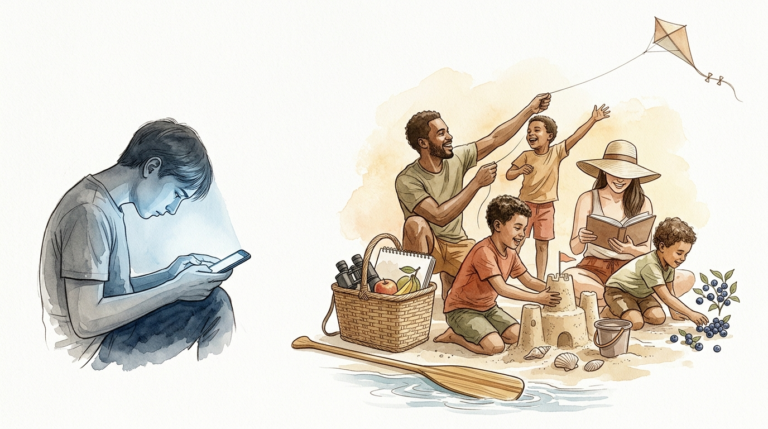
The transition from viewing your yard as a source of “waste” to a source of “fuel” is a powerful shift in parenting and education. When we stop bagging the leaves and start seeing them as the complex sensory tools they are, we open up a world of discovery for our children. These natural loose parts offer a level of cognitive engagement that no plastic toy can replicate because they are born of the earth, irregular, and infinitely adaptable.
Embrace the crinkle, the dirt, and the unpredictability. By providing these simple, natural materials, you are giving your child the building blocks for a resilient, creative, and sensory-integrated brain. The most expensive educational toys in the world cannot compete with the genius of a single falling leaf and a curious mind.
Start small today. Go outside, pick up a twig, and see where your child’s imagination takes it. You might find that the “mess” you were trying to clean up is actually the very thing your child has been waiting for to start their next great investigation.
Sources
1 children-first.com.au | 2 anamalz.com | 3 toddlerapproved.com | 4 myboredtoddler.com | 5 fun-a-day.com | 6 harvard.edu | 7 miriambeloglovsky.com | 8 nido.edu.au | 9 nih.gov | 10 evolveeducation.co.nz | 11 twinmomrefreshed.com | 12 youtube.com | 13 melissaanddoug.com | 14 lillio.com | 15 puroclean.ca | 16 economictimes.com | 17 marysfairyland.com | 18 fennies.com