how to reduce screen time tips for kids
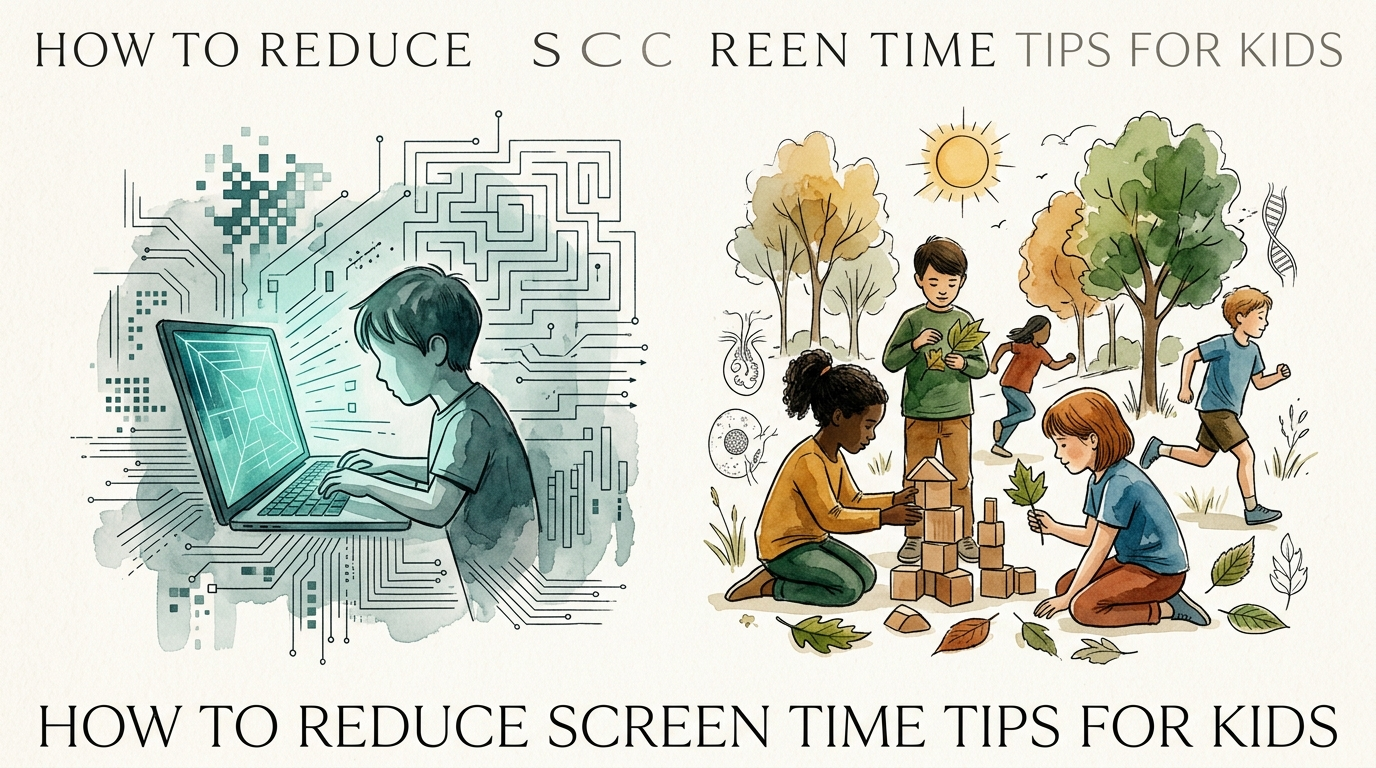
The brain processes artificial pixels and natural textures differently. Which one is your child’s mind growing in today? It is not just about taking away the iPad; it is about replacing synthetic stimulation with natural wonder. Discover 5 tips to transition your kids from the glow of the screen to the growth of the real world.
Every swipe on a tablet is a signal to the brain. It is a world where rewards come fast and colors are unnaturally bright. This environment is highly curated, but it lacks the depth of the physical world. When a child engages with the real world, their senses fire in a completely different pattern. They feel the grit of soil, smell the rain, and navigate three-dimensional space.
The shift from digital to physical is a necessity for healthy development. It is about moving from being a passive consumer to an active participant in life. This guide will walk you through the process of reclaiming your child’s attention and fostering a deeper connection with the world around them. Let’s explore how you can lead this transition with confidence and clarity.
how to reduce screen time tips for kids
Reducing screen time is not a punishment. It is a strategic design for a better lifestyle. To do this effectively, you must understand that digital devices are engineered to be “sticky.” They use variable reward schedules that keep the brain coming back for more. To break this cycle, you need a plan that focuses on gradual shifts rather than abrupt deprivation.
The goal is to create a home environment where screens are tools, not defaults. This means setting clear boundaries that everyone understands. It involves identifying the “dead zones” in the day where screens usually creep in—like during car rides or right after school—and filling those gaps with something more engaging. When you provide a better alternative, the resistance to losing the screen begins to fade.
Here are five core strategies to start this journey today:
- Curate the Environment: Physical cues drive behavior. If tablets are charging on the kitchen counter, they will be used. Keep devices in a centralized “docking station” out of sight when not in use.
- The 10-Minute Buffer: Moving directly from a high-stimulation game to a low-stimulation task like homework is jarring. Implement a 10-minute physical transition—like jumping on a trampoline or a quick walk—to reset the nervous system.
- High-Quality Alternatives: Replace “Synthetic Input” with tactile experiences. Keep a basket of “high-interest” physical toys, like building blocks or art supplies, easily accessible in the living room.
- Digital-Free Zones: Designate specific areas of the home, like the dining table and bedrooms, as 100% screen-free. This creates mental “safe havens” where the brain can rest from digital noise.
- The “One-for-One” Rule: For every hour of digital entertainment, require an hour of “Natural Engagement.” This could be outdoor play, reading a physical book, or helping with household chores.
How the Transition to Natural Engagement Works
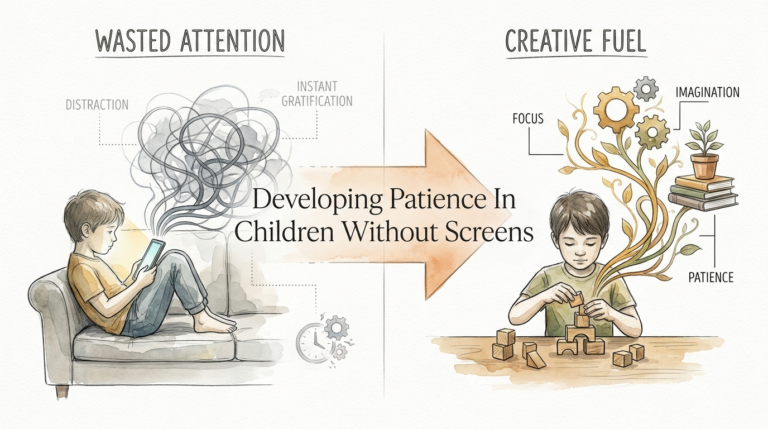
The process of reducing screen time relies on the principle of “neuroplasticity.” The brain is incredibly adaptable. When a child is constantly on a screen, their brain optimizes for fast-paced, high-dopamine input. This makes the real world seem “boring” by comparison. To fix this, you have to allow the brain time to recalibrate to slower, more complex natural stimuli.
Step one involves identifying the “Screen Triggers.” These are the emotional or environmental cues that lead a child to ask for a device. Is it boredom? Is it fatigue? Once you know the trigger, you can address the root cause. If it is boredom, you teach them that boredom is the precursor to creativity. If it is fatigue, you offer a rest period or a snack instead of a video.
Step two is the “Detox Phase.” During the first week of reduced screen time, expect some pushback. The brain is literally “coming down” from the intense stimulation of pixels. Stay consistent. Validate their feelings of frustration, but do not give in to the demand for the device. Over time, their interest in physical play will naturally resurface as their dopamine receptors reset.
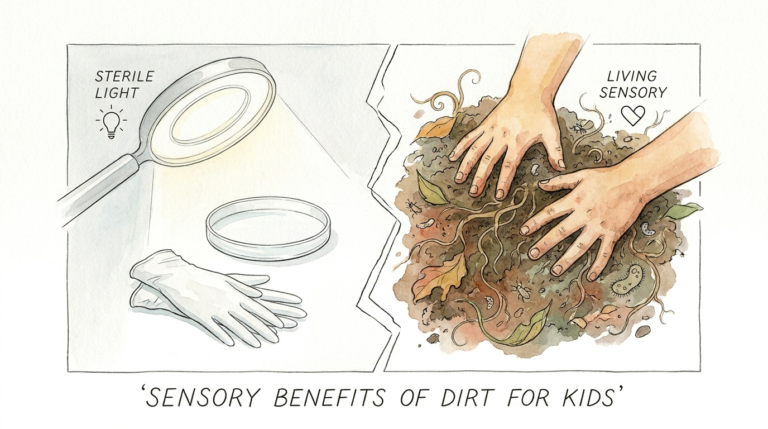
Step three is the “Introduction of Natural Textures.” Encourage activities that involve multiple senses. Gardening is a perfect example. It involves the smell of dirt, the tactile feel of plants, the visual search for pests, and the physical effort of digging. This “Natural Engagement” builds neural pathways that synthetic screens simply cannot touch.
The Benefits of Replacing Pixels with Textures
When you prioritize natural engagement over synthetic input, the cognitive benefits are measurable. Children who spend more time in unstructured physical play tend to have better “Executive Function.” This is the ability to plan, focus attention, and juggle multiple tasks successfully. Screens often do the thinking for the child; nature requires the child to think for themselves.
Emotional regulation is another massive win. Synthetic input is often hyper-stimulating, leading to “digital meltdowns” when the device is removed. Natural environments have a grounding effect. The “biophilia hypothesis” suggests that humans have an innate tendency to seek connections with nature, which lowers cortisol levels and reduces anxiety in children.
Physical health is the most obvious benefit. Moving in a 3D world builds proprioception—the sense of where your body is in space. It strengthens the vestibular system, which is responsible for balance and coordination. A child climbing a tree is learning physics, risk assessment, and motor control all at once. A child watching a video of someone climbing a tree is only learning to sit still.
Challenges and Common Pitfalls to Avoid
One of the biggest mistakes parents make is using screens as a “shut-down” tool. It is tempting to hand over a phone when a child is having a tantrum in public. While this works in the short term, it teaches the child that intense emotions result in digital rewards. This creates a cycle where the child loses the ability to self-soothe without a screen.
Another pitfall is “Parental Screen Hypocrisy.” If you are telling your child to get off their iPad while you are scrolling through social media, the message will fail. Children model behavior more than they follow instructions. To reduce their screen time, you must be willing to put your own phone away and engage in the “boredom” with them.
Sudden, total bans often backfire. If you go from four hours a day to zero overnight, you are setting the stage for a power struggle. This makes the screen seem like a “forbidden fruit,” which only increases its allure. Gradual tapering combined with the introduction of new, exciting physical activities is a much more sustainable approach.
Limitations and Realistic Constraints
It is important to acknowledge that we live in a digital world. Total avoidance of screens is neither practical nor necessarily beneficial. Screens are excellent tools for learning specific skills, such as coding, digital art, or researching a complex topic. The problem arises when the screen becomes the primary source of entertainment and sensory input.
Weather and environment also play a role. If you live in an urban area with limited access to green space, “natural engagement” might look different. It could mean visiting a local library, doing a puzzle, or engaging in “kitchen science” experiments. The goal is the quality of the engagement, not just being outdoors in the woods.
Furthermore, some children with specific neurodivergent needs may find screens to be a necessary part of their regulation or communication toolkit. In these cases, the “Synthetic vs Natural” balance must be carefully calibrated with the help of professionals. The aim is always the well-being of the child, not a rigid adherence to a “no-screen” rule.
Synthetic Input vs. Natural Engagement
Understanding the difference between these two types of input helps parents make better decisions. Synthetic input is designed by engineers to be addictive. Natural engagement is a byproduct of living in the physical world. Here is a breakdown of how they compare across several key factors.
| Factor | Synthetic Input (Screens) | Natural Engagement (Real World) |
|---|---|---|
| Sensory Depth | 2D Visual/Audio only. Limited depth. | Full 3D. Touch, smell, and varied light. |
| Pace | Rapid-fire, instant gratification. | Variable, often slow and deliberate. |
| Effort Level | Passive. Input is delivered to the user. | Active. User must interact to get a result. |
| Brain State | Often triggers “Flicker Vertigo” or trance. | Promotes “Quiet Alertness” and flow. |
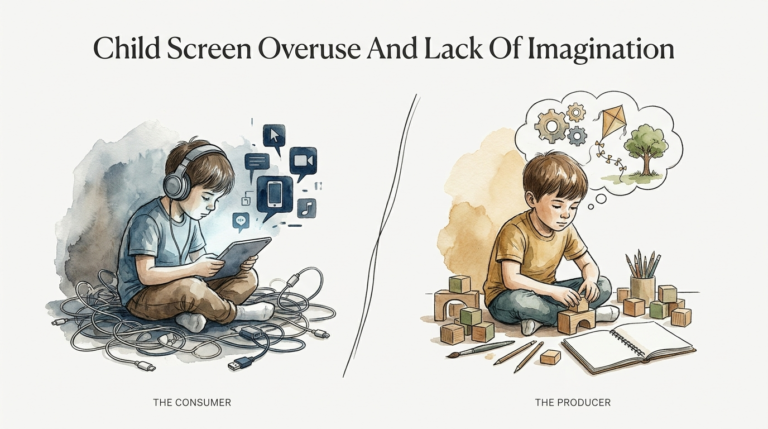
| Creativity | Consumptive. Choosing from a menu. | Generative. Making something from nothing. |
Practical Tips for Immediate Application
If you want to see a change this weekend, start with the “Physical First” rule. Before any screen time is allowed, three physical requirements must be met: the bed is made, 30 minutes of outdoor time is completed, and one creative task is finished. This shifts the screen from a right to a privilege earned through engagement with the real world.
Use “Audio Alternatives” to bridge the gap. If your child likes the storytelling aspect of videos, try high-quality podcasts or audiobooks. This removes the “pixel-glare” and allows them to use their imagination to visualize the story. It also leaves their hands free to play with Legos or draw while they listen, keeping their body engaged.
Create a “Boredom Jar.” Write down 20 quick, non-screen activities on slips of paper. These could be things like “Do 20 jumping jacks,” “Draw a monster,” or “Find five blue things in the backyard.” When they complain about being bored, they pick a slip. This takes the mental load of “thinking of something to do” off both the parent and the child.
Advanced Considerations for Long-Term Digital Health
As children grow, the conversation shifts from “controlling time” to “building digital literacy.” A serious practitioner of mindful parenting knows that the ultimate goal is for the child to regulate themselves. This starts with talking about the “Architecture of Persuasion.” Explain to older children how apps are designed to keep them scrolling. When they understand the “why,” they are more likely to resist the “how.”
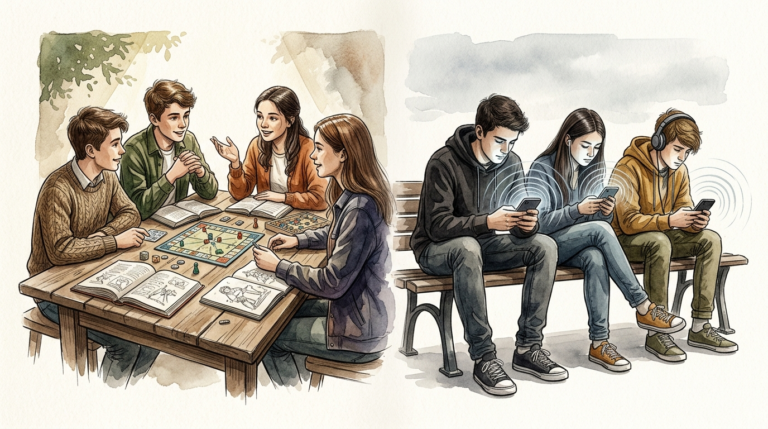
Consider the “Circadian Impact” of synthetic input. Blue light from screens suppresses melatonin production. An advanced strategy is to implement a “Digital Sunset.” All screens go off two hours before bedtime. Replace this time with warm-toned lamps and tactile activities like board games or reading. This significantly improves sleep quality and morning mood.
Focus on “Content Type” rather than just time. There is a massive difference between “Passive Consumption” (watching TikTok) and “Active Creation” (editing a video, coding a game). Encourage your child to be a creator. If they are going to use a screen, guide them toward tools that allow them to express their own ideas rather than just absorbing someone else’s.
The “Rainy Saturday” Scenario: Putting It into Practice
Imagine it is Saturday morning, it is raining, and the kids are restless. The easy path is the “movie marathon.” The growth path is the “Indoor Adventure.” Instead of the TV, you clear the living room floor. You challenge the kids to build the “Ultimate Fort” using every pillow and blanket in the house. This is natural engagement: it requires teamwork, structural thinking, and physical effort.
Once the fort is built, you don’t put a tablet inside it. You give them flashlights and a stack of books. You provide a tray of “picnic” snacks that they helped prepare. By the end of the afternoon, they haven’t just “passed the time.” They have exercised their bodies, their imaginations, and their social skills. They are tired in a way that feels good, rather than the “wired and tired” feeling that follows a screen binge.
This scenario shows that reducing screen time is not about “doing nothing.” It is about doing *better things.* It requires a bit more effort from the parent initially, but the payoff is a calmer, more creative, and more resilient child. You are building memories that are etched in their mind, not just cached in a browser.
Final Thoughts
Reclaiming your child’s attention from the world of synthetic pixels is one of the most important investments you can make. It is not an easy journey, and there will be days when the screen wins. That is okay. The goal is not perfection; it is a shift in the overall balance of their lives. By prioritizing natural textures and real-world engagement, you are giving their brain the environment it was designed to thrive in.
Remember that every minute spent away from a screen is a minute spent in the “growth zone.” Whether they are climbing, drawing, or even just sitting in the grass, they are building the neural architecture for a successful future. Start small, stay consistent, and watch as the glow of the screen is replaced by the light of genuine curiosity.
As you move forward, keep experimenting with different ways to weave “Natural Engagement” into your family’s rhythm. The more you explore the real world together, the less the digital world will feel like a necessity. Your child’s mind is a garden—make sure it is growing in the sun, not just under the flicker of a monitor.