screen free summer
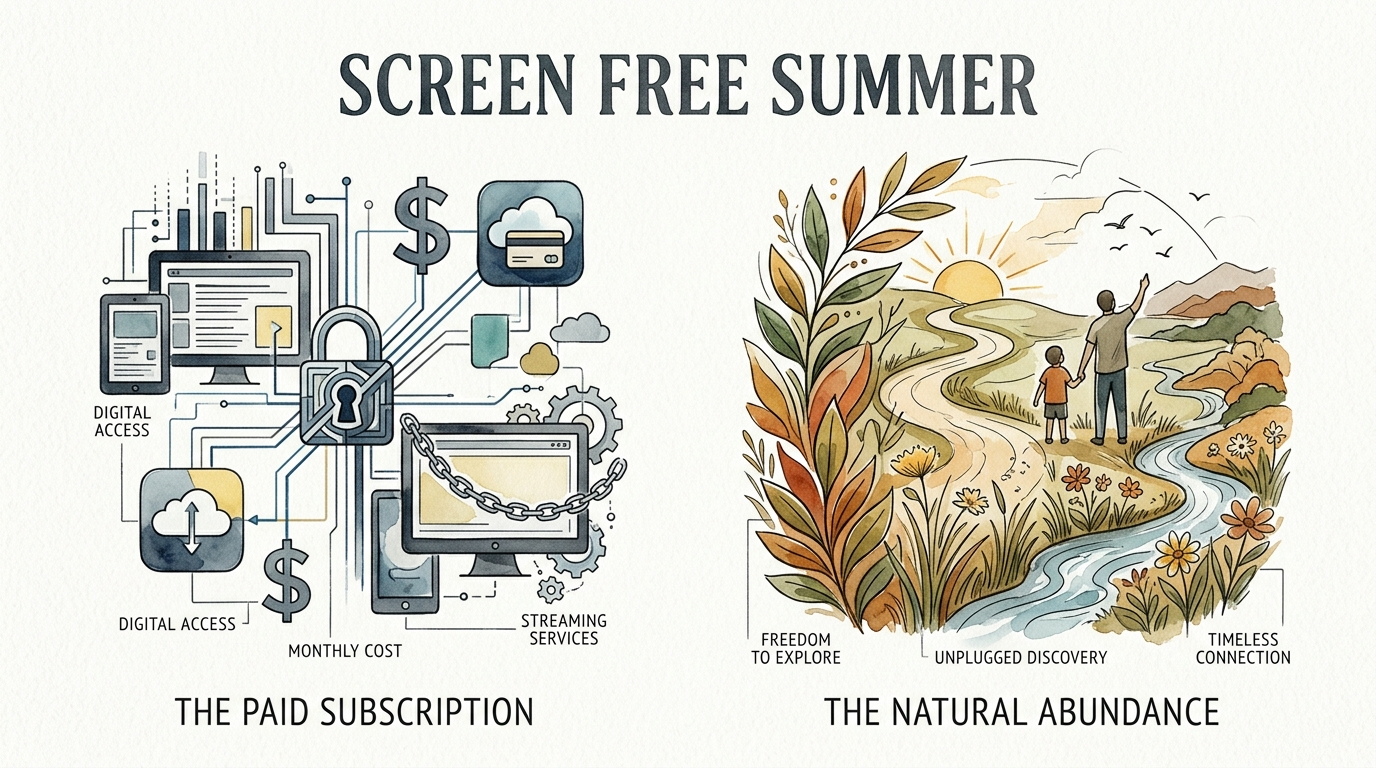
The best summer memories don’t come with a monthly fee. We spend a fortune on digital entertainment to keep kids busy. This summer, rediscover the abundance of the outdoors. No subscriptions required.
The shift toward a digital childhood has been gradual but profound. For many families, screens have become the default solution for managing busy schedules and keeping kids occupied during the long summer break. While these devices offer temporary peace, they often come at the cost of genuine connection and physical development.
Research from Harvard Medical School suggests that the growing human brain is constantly building neural connections while pruning less-used ones, and digital media use plays a central role in this process. Much of what happens on a screen provides “impoverished” stimulation compared to the multi-sensory reality of the outdoors. This summer, we are looking at how to swap those digital pixels for real-world play.
screen free summer
A screen-free summer is a deliberate period where families reduce or eliminate recreational digital media in favor of physical, social, and nature-based activities. It is not merely about taking away a tablet; it is about reclaiming the space that technology has occupied. This concept exists to counter “nature-deficit disorder,” a term coined by author Richard Louv to describe the growing gap between children and the natural environment.
In real-world terms, this looks like replacing a morning of cartoons with a trip to the local creek or swapping an hour of gaming for a backyard “loose parts” session involving sticks, stones, and mud. These activities provide what experts call “green time,” which research consistently shows promotes well-being and healthy development.
This approach is used in homes where parents notice increased irritability, poor sleep, or a lack of creativity in their children after prolonged screen use. It is a reset for the nervous system. By removing the high-stimulation environment of digital media, children are forced to slow down and engage with their immediate surroundings.
How to Transition Your Family
Moving from a high-tech routine to a nature-rich one requires a clear strategy to avoid the “withdrawal” phase that often leads to parental burnout. Going into summer without a plan is unlikely to work, as the deck often feels stacked against parents who still need to work or manage a household.
1. Create a Predictable Rhythm
Instead of a rigid schedule that feels like school, establish a daily rhythm. This could involve “Outdoor Time Before Screen Time” or a visual schedule for younger children who cannot yet read. A predictable flow helps children know when to expect certain activities, reducing the constant asking for devices.
2. The “Soft-Landing” Technique
Ending screen time is often the hardest part of the day. Pediatricians suggest providing a “soft-landing” by offering a high-engagement offline “bridge” to transition to. This might be a physical activity like shooting hoops or a sensory one like helping with a snack. Validating their pivot with immediate praise when they turn off a device without drama can also reinforce the new habit.
3. The Boredom List
Boredom is actually the space in which creativity and imagination happen. However, to help kids get through the initial wall of boredom, brainstorm a “Plan B” list of activities. This list should be created with the children so they feel ownership of the alternatives. Items can include building a fort, starting a nature journal, or organizing a neighborhood scavenger hunt.
The Benefits of Outdoor Abundance
The advantages of choosing the natural world over a digital subscription are measurable and far-reaching. While a screen might offer a linear story, nature offers an open-world experience that no programmer can replicate.
Cognitive and Brain Development
Children who spend more than two hours a day on screens often score lower on language and thinking tests. Some studies even show signs of thinning in the brain’s cortex. In contrast, outdoor play builds foundational skills for the body and brain. It improves problem-solving as kids figure out how to balance on a log or build a dam in a stream.
Physical Health and Sleep
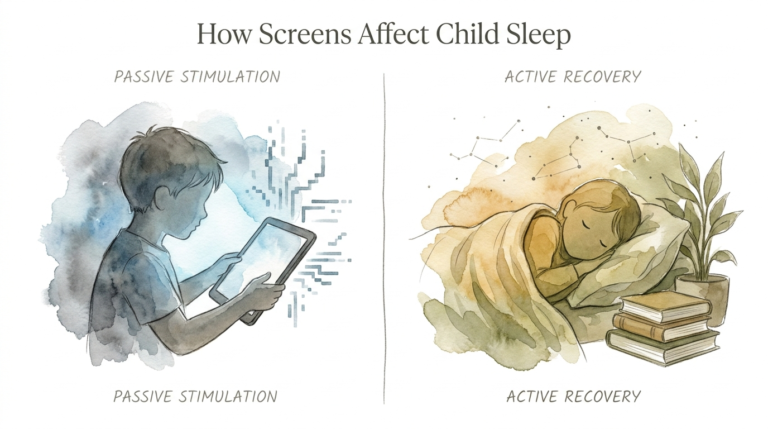
Exposure to sunlight provides essential Vitamin D and helps regulate the body’s 24-hour circadian rhythm. This internal clock is reset by natural light, making it easier for children to fall asleep and stay asleep. Physical activity also builds motor skills, coordination, and cardiovascular health, which are often neglected during sedentary screen sessions.
Emotional Resilience
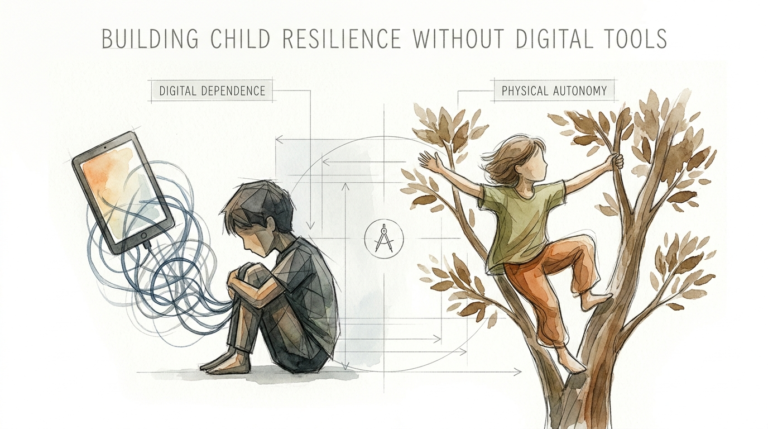
Unstructured play in nature reduces stress and anxiety. The fresh air and freedom to explore independently allow children to develop a sense of mastery and confidence. They learn to navigate risks in a controlled environment, which is a vital skill for long-term mental health.
Common Challenges and Pitfalls
The most frequent mistake parents make is attempting a “cold turkey” approach without providing any alternative structure. This usually leads to a week of constant whining and eventual parental surrender.
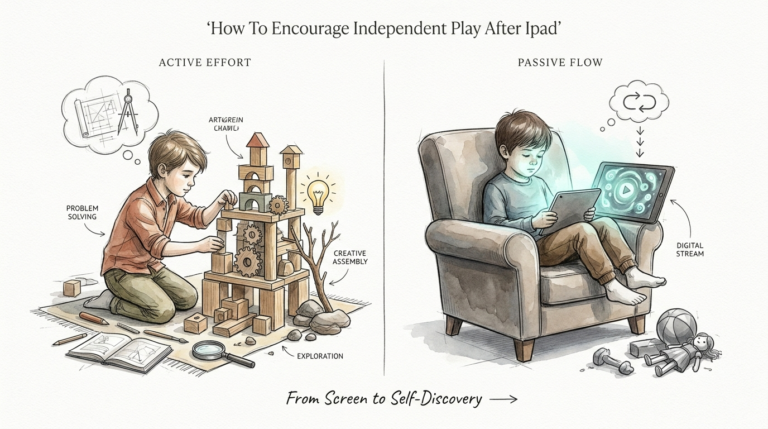
Another challenge is the “I’m bored” trap. Parents often feel they must become “cruise directors” who entertain their children every minute. This is a pitfall because it prevents children from developing their own internal drive for play. The goal is to provide the environment and the tools, then step back and let the child lead.
Logistics also present a barrier. Many parents work from home and rely on screens to keep kids quiet during meetings. This is a reality of modern life. The mistake is not using the screen, but failing to plan for what happens before and after that digital window.
Limitations and Environmental Constraints
A screen-free summer may not look the same for everyone. For those in urban environments without a backyard, “nature” might feel inaccessible. However, even a brick patio can become a “Yes Space”—a 100% safe, enclosed area where a child can explore without being redirected.
Weather is another realistic constraint. Extreme heatwaves or thunderstorms can make outdoor time impossible. In these cases, bringing the outside in through container gardening on a windowsill or nature-themed crafts is a necessary trade-off.
Safety concerns in certain neighborhoods may also limit the “roam-free” style of play that was common in previous decades. In these situations, community resources like public libraries, parks, and supervised recreation centers become essential hubs for screen-free activity.
Subscriptions vs. Natural Abundance
| Factor | Digital Subscriptions | Natural Abundance |
|---|---|---|
| Cost | Recurring monthly fees + hardware. | Free or low-cost (gear/snacks). |
| Brain Impact | “Impoverished” stimulation; possible cortex thinning. | Multi-sensory; boosts focus and cognition. |
| Physical Level | Sedentary; potential for poor posture. | Active; develops gross motor skills. |
| Social Skill | Often isolated or mediated by avatars. | Face-to-face; collaborative play. |
Practical Tips for Immediate Application
You don’t need a national park to start a nature-rich summer. Use these actionable tips to begin today.
- Keep a “Go-Bag” Ready: Pack a bag with sunscreen, water, a magnifying glass, and a small notebook. Having this by the door removes the friction of getting outside.
- Sunset Popsicle Walks: Keep a box of popsicles in the freezer. After dinner, take a walk around the block while the sky changes colors. It is a low-effort way to create a memory.
- The “Loose Parts” Bin: Provide a container with items like old tires, boards, rope, and buckets. These “non-toys” encourage significantly more creative play than a specific action figure.
- Nature Art: Gather fallen leaves, petals, and sticks to create characters or patterns on the sidewalk. Photograph the finished art before the wind takes it away.
Advanced Considerations for Deep Connection
For those who want to go beyond basic outdoor time, consider exploring “primitive skills” or deep nature connection. This moves from just being outside to being part of the environment.
Nature Journaling and Citizen Science
Encourage older children to track the local flora and fauna. Using apps like iNaturalist (with parental supervision) can turn a walk into a data-gathering mission for real scientists. This bridges the gap between technology and nature in a productive way.
Nocturnal Exploration
Summer nights are perfect for stargazing. Use a simple star chart to identify constellations. This expands the child’s world beyond the daylight hours and fosters a sense of wonder about the universe that a YouTube video cannot replicate.
Solar Cooking
Use a cardboard box, aluminum foil, and plastic wrap to build a solar oven. Cooking s’mores using nothing but the sun is a powerful lesson in thermodynamics and the practical abundance of the natural world.
A Sample Weekly Rhythm
Here is how a screen-free week might progress for a typical family looking to reset.
Monday: The Discovery Phase. Spend the morning at the local library picking out field guides. In the afternoon, identify five different plants or insects in the immediate neighborhood.
Tuesday: Water Play. Whether it is a community pool, a creek, or just a sprinkler in the driveway, focus on sensory water play. This is highly therapeutic and great for physical regulation.
Wednesday: The “Boredom” Test. Set a long block of unstructured time in a safe outdoor space. Provide minimal toys—just sticks, dirt, and perhaps some old kitchen pots. Watch as the “I’m bored” phase transitions into a complex imaginative game.
Thursday: Micro-Adventure. Visit a nearby spot you’ve never been to before. It could be a different park, a local farm, or a trailhead just ten minutes away.
Friday: Community Connection. Invite neighbors for an outdoor relay race or a simple picnic. Social connection combined with outdoor activity “packs a powerful punch” for emotional well-being.
Final Thoughts
Moving toward a screen-free summer is one of the most rewarding investments a family can make. It requires a shift in mindset from seeing entertainment as something we buy to seeing it as something we discover. While digital tools have their place, they should not be the primary landscape of childhood.
By focusing on “Natural Abundance” and “Vitamin N,” you are providing your children with the tools they need to build a healthy brain and a resilient spirit. The best part is that these resources are already all around us, waiting to be used.
Start small, stay consistent, and watch as the “impoverished” stimulation of the screen is replaced by the rich, vibrant world of the outdoors. This summer, let the memories be defined by the height of the sun and the dirt under the fingernails, not the battery life of a device.
Sources
1 membersfirstga.com | 2 harvard.edu | 3 wildcenter.org | 4 tpl.org | 5 youtube.com | 6 childrenandnature.org | 7 mashable.com | 8 stlouischildrens.org | 9 parentmap.com | 10 learningwithkelsey.com | 11 growinglittlebrains.com | 12 healthpartners.com | 13 janetlansbury.com | 14 advanceamerica.net | 15 parent.com