kids activities without screens
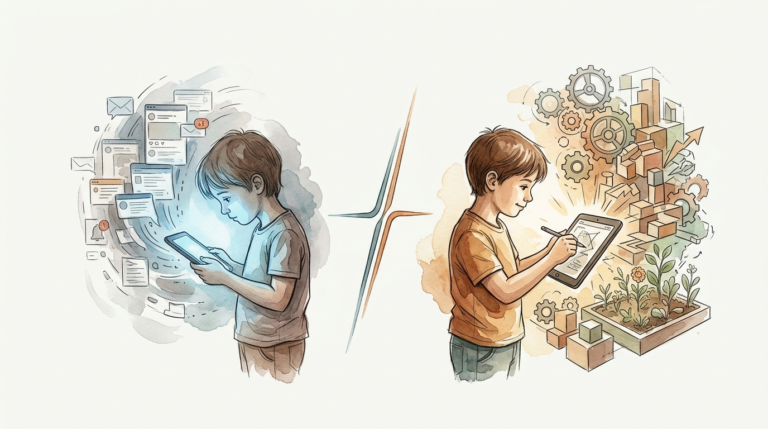
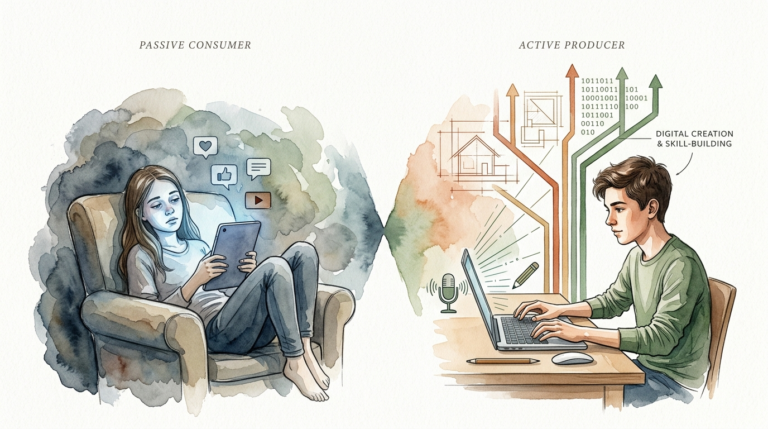
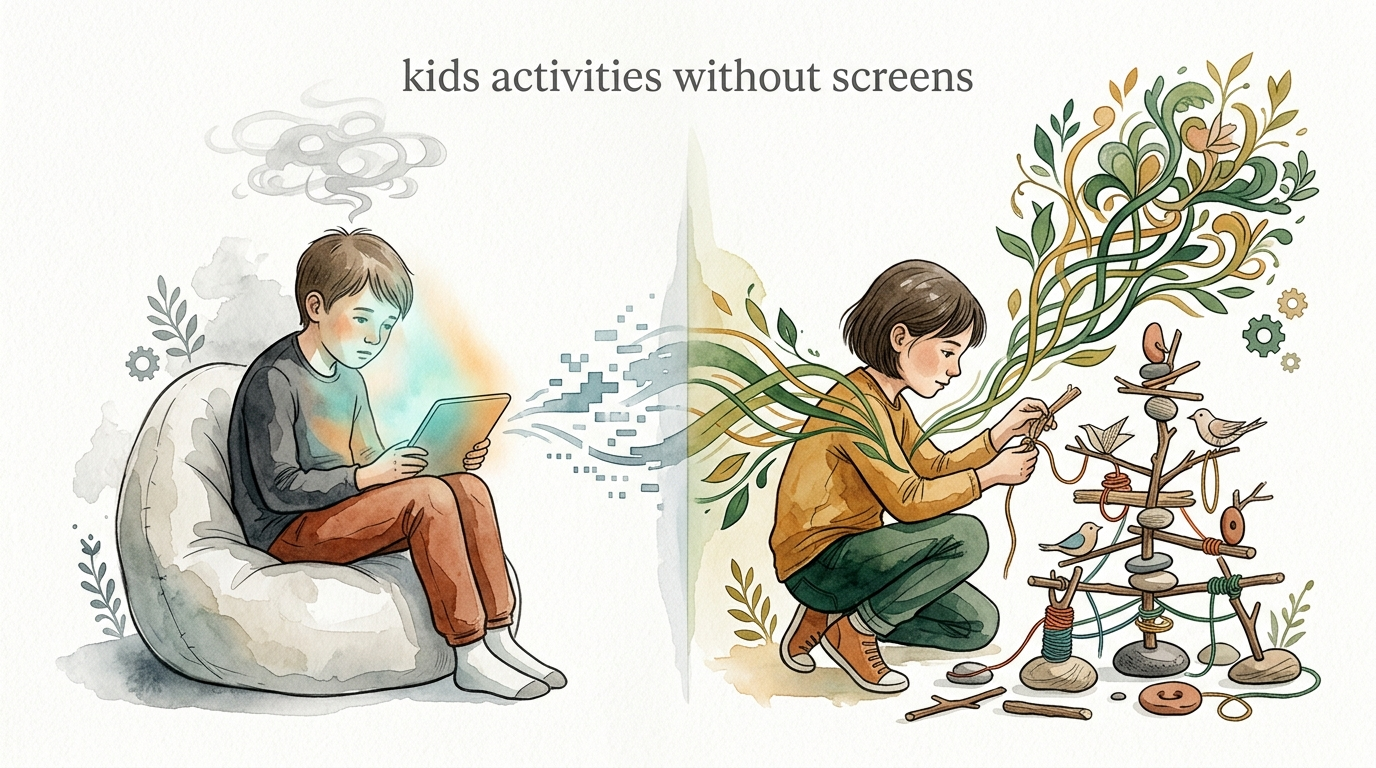
Watching someone else’s imagination is a poor substitute for using your own. Screens make kids consumers; the real world makes them producers. Here are 10 activities that trade the ‘watch’ for the ‘do’.
Our world is increasingly digital. We hand over tablets to keep the peace. We turn on the TV to finish a chore. It feels like a necessity, but it comes with a hidden cost.
Passive consumption is the default state for many children today. They watch others play games. They watch others open toys. They absorb content without ever contributing to the world around them.
Turning a consumer into a producer is the goal. This transition sparks curiosity and builds resilience. It changes a child’s relationship with their environment.
Practical play is not just about staying busy. It is about developing the neural pathways required for problem-solving. It is about learning that “nothing to do” is actually an invitation to create.
kids activities without screens
Kids activities without screens are engagements that require physical, cognitive, or social input to function. These activities exist because the developing brain thrives on feedback from the physical world. Unlike a screen, which provides instant dopamine with zero effort, real-world play requires work.
Real-world activities are used in classrooms, therapy sessions, and homes to foster “active” engagement. This is where a child must think, move, and react to see a result. For example, building a tower with blocks provides immediate feedback on gravity and balance.
When a child plays outside, they are not just “running.” They are navigating terrain, assessing risks, and observing biological systems. This is production in its rawest form—producing knowledge through experience.
These activities range from artistic creation to scientific inquiry. They bridge the gap between abstract thought and physical reality. The focus is always on the process, not just the final product.
How to Transition from Watching to Doing
Transitioning a child from a high-stimulation screen to a low-stimulation activity is a process. You cannot simply pull the plug and expect instant cooperation. The brain needs time to downshift.
Start by setting clear expectations. Use visual timers or verbal warnings. Tell them, “In ten minutes, the tablet goes away and we are going to build a fort.” This reduces the “post-screen blues” and prepares them for a change in pace.
Create an environment that invites production. If art supplies are hidden in a high cupboard, they won’t be used. Keep a “Creator Station” stocked with paper, tape, markers, and recyclables at eye level.
Involve the child in the planning process. Ask them what they want to produce today. Giving them agency reduces resistance and increases their commitment to the task.
Model the behavior you want to see. If you are constantly scrolling, your child will see screens as the highest form of entertainment. Put your phone in a designated “parking spot” and pick up a book or a tool.
Benefits of an Active Producer Mindset
An active producer mindset builds executive function. This is the mental department responsible for planning, focusing, and multitasking. When a child decides to bake cookies, they must follow a sequence and manage time.
Production fosters emotional regulation. Screen time is often associated with hyperarousal and irritability. Screen-free activities allow the nervous system to settle, leading to better sleep and fewer tantrums.
Imagination is a muscle that requires exercise. Passive consumption lets that muscle atrophy. Active play forces the brain to fill in the blanks, turning a cardboard box into a spaceship.
Social skills are sharpened through unplugged play. Board games require turn-taking and sportsmanship. Collaborative building projects require negotiation and shared vision.
Physical health is the most obvious winner. Active play involves movement, which improves gross motor skills and prevents sedentary health issues. Even fine motor skills benefit from the precision of drawing or beading.
Challenges and Common Mistakes
One common mistake is treating screen-free time as a punishment. If you only take the tablet away when they are “bad,” they will associate the real world with boredom and shame. Make screen-free time a celebrated part of the routine.
Avoid the “helicopter” trap. Parents often feel they must entertain their children 24/7. This prevents the child from experiencing boredom, which is the essential precursor to creativity.
Do not expect immediate mastery. A child who has spent years as a consumer will struggle to be a producer at first. They will say they are bored. They will complain. Let them sit with that boredom.
Failing to provide high-quality materials is another pitfall. You don’t need expensive toys, but you do need functional ones. Dull scissors or dried-out markers lead to frustration and abandonment of the project.
Another mistake is ignoring the “transition period.” Moving from a fast-paced video game to a slow-paced puzzle is a massive neurochemical shift. Give them a five-minute “buffer” of physical movement like jumping jacks to bridge the gap.
Limitations of Screen-Free Activities
Unplugged play requires more adult “activation energy” initially. It is easier to turn on a movie than to set up a science experiment. You must accept that your involvement level will be higher at the start.
Weather and space can be realistic constraints. Not every home has a backyard or a dedicated playroom. You have to get creative with small spaces and indoor-safe equipment.
Cost can be a factor for specialized hobbies. While “boredom” is free, high-quality art supplies or building sets can add up. However, upcycling household waste is a great low-cost alternative.
Age-appropriateness is a hard limit. A toddler cannot do a complex Lego set, and a teenager may roll their eyes at a sensory bin. You must constantly calibrate the challenge level to keep them in the “flow state.”
Peer pressure is a modern limitation. If all a child’s friends are online, they may feel socially isolated without a screen. This requires a balanced approach that allows for digital social time without it becoming the only social time.
Passive Consumption vs Active Production
Understanding the difference between these two states is key to choosing the right activities.
| Feature | Passive Consumption (Screens) | Active Production (Real World) |
|---|---|---|
| Brain State | High stimulation, low effort. | Focused, problem-solving. |
| Skill Acquisition | Information intake only. | Hands-on mastery. |
| Social Impact | Often isolating or virtual. | Direct interpersonal interaction. |
| Emotional Result | Can lead to irritability/overload. | Builds confidence and patience. |
10 Activities to Build the Producer Mindset
1. The Cardboard Engineering Lab. Give them a roll of masking tape and every delivery box you have. Challenge them to build a functional piece of furniture or a labyrinth. This teaches structural integrity and spatial reasoning.
2. Junior Chef’s Test Kitchen. Move beyond just “helping” with dinner. Give them a safe workspace and a goal, like creating a new salad dressing or decorating cookies. They produce something tangible and edible, learning chemistry and math along the way.
3. Backyard Ecosystem Mapping. Give them a notebook and a magnifying glass. Have them map out a 3×3 foot square of grass and document every insect and plant they see. This turns them into a scientist and observer of the natural world.
4. The Storytelling Jar. Fill a jar with random prompts like “a flying cat” or “a lost key.” Have them pull a prompt and either write a story, draw a comic, or act it out. They are producing narrative, not just consuming it.
5. Master Builder’s Brick Challenge. Use Legos or blocks, but add constraints. “Build a bridge that can hold a heavy book” or “Build a house with only red and blue bricks.” Constraints force creative production.
6. DIY Science Lab. Simple household experiments like baking soda volcanoes or growing crystals from salt water. They produce data and observe cause-and-effect in real time.
7. The Maker Station. Stock a bin with “loose parts”—corks, buttons, wire, fabric scraps, and glue. Don’t give instructions. Let them tinker and produce whatever their mind imagines.
8. Board Game League. Start a weekly tournament of strategy games like Chess, Settlers of Catan, or even basic card games. They produce strategies and learn to read their opponents.
9. Analog Photo Journal. Give them an old digital camera or a disposable one. Have them document a “day in the life” of their pet or a specific color they see throughout the day. They are producing art through observation.
10. Obstacle Course Design. Use pillows, hula hoops, and chairs to design a course. They have to produce a path that is challenging but possible, then time each other through it.
Advanced Considerations for Practitioners
Serious practitioners of screen-free parenting focus on “deep play.” This is the stage where a child becomes so engrossed in an activity that time seems to disappear. Achieving this requires long, uninterrupted blocks of time.
Consider the “Salami Method” for complex projects. If a child wants to build a treehouse, don’t do it for them. Break it into tiny, manageable tasks they can produce themselves over several weeks.
Focus on “open-ended” toys. A toy that only does one thing (like a plastic robot that talks) has a short shelf life for a producer. A set of unit blocks has infinite possibilities.
Monitor the “Dopamine Baseline.” If a child is used to the rapid-fire rewards of TikTok or YouTube, they will find real-world activities painfully slow. You may need a “Digital Detox” period of 48-72 hours to reset their brain’s reward system.
Leverage community resources. Maker spaces, libraries, and local workshops provide tools and expertise that you might not have at home. This expands the child’s “production” horizons beyond the family unit.
Example Scenario: The Rainy Day Producer
Imagine a Saturday morning where it is pouring rain. Normally, the kids would be three hours deep into a Netflix binge. Instead, you introduce the “Great Marble Run Challenge.”
You provide cardboard tubes, tape, and a bag of marbles. The goal is to get a marble from the top of the stairs to the bottom of the hallway using only the materials provided.
For the first hour, there is frustration. The tape doesn’t hold. The marble falls off the track. This is the “Productive Struggle.”
By hour two, they are negotiating. One child holds the tubes while the other tapes. They are learning about angles and velocity. They are producing a complex machine.
By lunch, they have a working track. They haven’t asked for a screen once. They have spent the morning as engineers, not consumers.
Final Thoughts
Trading the ‘watch’ for the ‘do’ is not about being anti-technology. It is about being pro-development. It is about ensuring that our children have the skills to build the future, not just watch it happen on a high-definition display.
When we prioritize production over consumption, we give our children a sense of agency. They learn that they can change their environment. They learn that their ideas have value.
Start small. Choose one activity from this list and try it this weekend. Watch how their energy shifts. You might find that the real world is far more interesting than any screen could ever be.
Focus on the long game. The goal isn’t just a quiet afternoon; it’s a capable, creative, and resilient adult. Every hour spent as a producer is an investment in that future.
Sources
1 smartphonefreechildhood.org | 2 ymcawhittier.org | 3 keepemquiet.com | 4 kidsplaymuseum.org | 5 compasschildcare.com | 6 thenoteninjas.com | 7 whatdowedoallday.com | 8 thegritandgraceproject.org | 9 gov.nl.ca | 10 jessicafoley.ca | 11 junglejumparoo.com | 12 frugalfun4boys.com | 13 childrenandscreens.org | 14 childrenandscreens.org | 15 rowiteen.com | 16 curiousneuron.com | 17 littlepassports.com | 18 screenstrong.org | 19 developmentalbehavioralpediatricsaz.com | 20 slj.com | 21 ichoosejoy.org | 22 substack.com | 23 nih.gov | 24 thevoiceofearlychildhood.com | 25 fiu.edu | 26 substack.com | 27 edsurge.com | 28 childrensdayton.org | 29 jessicafoley.ca | 30 sparkandstitchinstitute.com