how much is too much screen time
It is not about the minutes on the clock; it is about the value in the content. and 1 hour of mindless scrolling is waste. 1 hour of digital creation is fuel. Learn how to spot the difference.

We live in an era where the average person spends over six hours a day looking at a screen. For many, this time feels like a blur of bright colors, infinite feeds, and forgotten information. It is easy to feel like your life is being drained by your devices rather than enhanced by them.
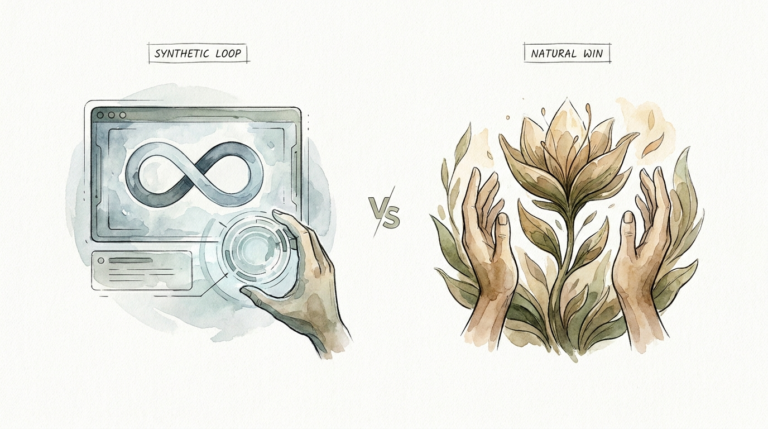
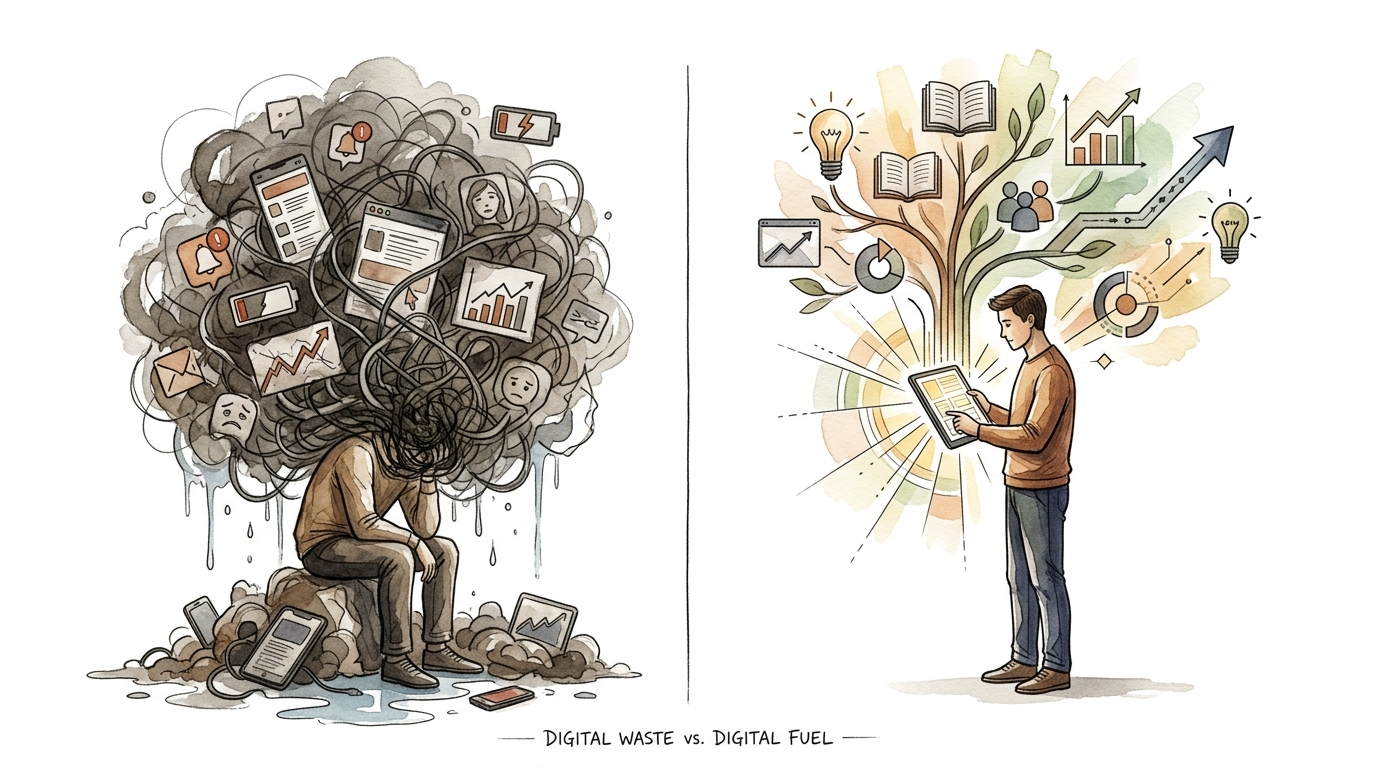
The concept of digital wellness has shifted from simple “detoxes” to a more nuanced understanding of digital nutrition. This means looking at your screen time through the lens of what it gives back to you. When you consume mindlessly, you are generating digital waste, but when you engage intentionally, you are creating digital fuel.
Understanding this distinction is the key to reclaiming your attention in a world designed to steal it. This guide will walk you through the data, the psychology, and the practical steps to turn your smartphone from a slot machine into a powerful tool for growth. You will learn how to audit your habits and build a digital life that actually serves your real-world goals.
how much is too much screen time
As of early 2026, the global average for daily screen time has climbed to approximately 6 hours and 45 minutes per person. This represents roughly 42% of our waking hours, assuming an average of eight hours of sleep. In some regions, like South Africa, that number spikes to over 9 hours, while countries like Japan maintain a lower average near 4 hours.
The sheer number of minutes is only part of the story; the real issue is the “voluntary and habitual” nature of this increase. Unlike the pandemic era where we were forced indoors, modern screen time is often a reflex. We check our phones an average of 96 times per day, often without a specific reason or goal in mind.
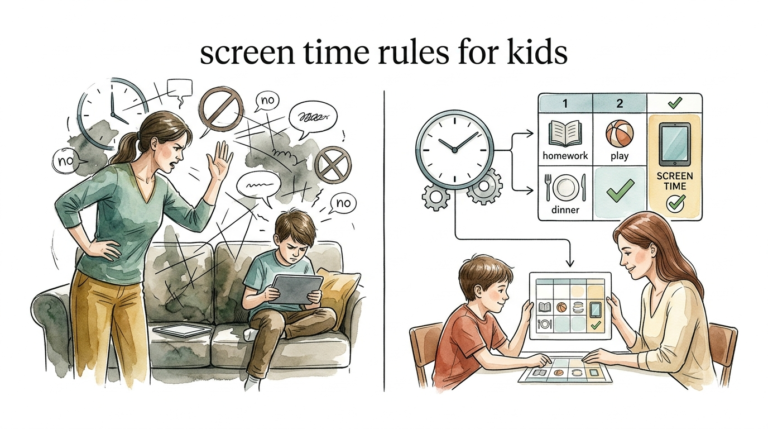
Experts suggest that for non-work-related activities, “too much” is often defined by the negative impact on your life rather than a hard limit. If your digital use causes sleep disturbances, mood swings, or a decline in physical activity, you have crossed the line. The American Academy of Pediatrics recommends that children under five have less than an hour of screen time, yet many kids today are clocking in over 20 hours per week.
Real-world “waste” occurs when the screen acts as a barrier to the physical world rather than a bridge. For instance, scrolling through travel photos for two hours while neglecting a walk in your own neighborhood is a clear example of digital waste. Conversely, using that same time to learn a language or coordinate a local meetup transforms that time into fuel.
How to Transform Digital Waste into Digital Fuel
Transforming your digital habits starts with a shift from passive consumption to active engagement. The goal is to move up the “Digital Nutrition Pyramid,” prioritizing creativity and connection over mindless entertainment. This process requires intentionality and a few specific techniques to break the cycle of the attention economy.
Start by performing a digital audit using the built-in screen time tools on your device. Look at your most-used apps and ask: “Did this time make me better, or just more tired?” If an app consistently leaves you feeling drained or anxious, it is likely a source of waste. Categorize your apps into “Fuel” (learning, creation, utility) and “Waste” (infinite scrolling, clickbait news).
Next, implement the “Creation-to-Consumption Ratio.” For every 30 minutes you spend consuming content, challenge yourself to spend 15 minutes creating something. This could be as simple as writing a thoughtful comment, drafting a blog post, or editing a photo you took. This shift forces your brain out of a passive state and into a high-energy, productive mode.
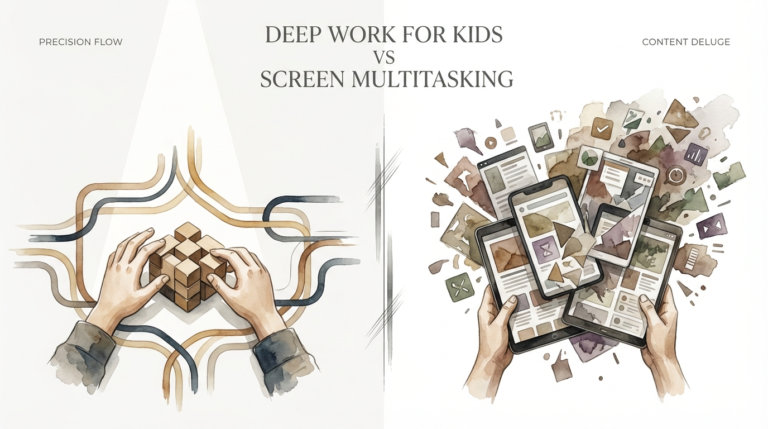
Use “Batching” to manage your communication and social media. Instead of responding to notifications as they arrive, set two or three specific times per day to check all your platforms. This prevents the “task-switching” penalty that ruins your focus. Outside of these windows, keep your phone in a separate room or in a “Deep Work” focus mode.
The Role of Curation
Your digital environment is shaped by algorithms that respond to what you click on. To build digital fuel, you must actively “train” your algorithm. Unfollow accounts that trigger FOMO or negativity, and aggressively search for topics that inspire you. This creates a feedback loop where your feed becomes a source of high-quality “virtual vitamins” rather than “processed junk.”
Digital fuel also comes from using tools that amplify your human capabilities. Apps for mind-mapping, coding, or music production turn a tablet from a television into a canvas. When you use technology to solve a problem or learn a skill, you are burning fuel that powers your real-world success.
Benefits of a Digital Fuel Mindset
The primary advantage of focusing on digital fuel is the preservation of your cognitive fitness. Constant scrolling fragmentizes your attention, making it harder to read long books or engage in deep conversations. By choosing high-value digital activities, you “re-wire” your brain for sustained focus and critical thinking.
Emotional resilience is another significant benefit. Studies have shown that active social media use—sharing, commenting, and connecting—is often linked to better well-being. Passive scrolling, on the other hand, is frequently associated with increased symptoms of anxiety and depression. Turning waste into fuel improves your mood and reduces the feeling of digital burnout.
Finally, a fuel-focused approach leads to tangible skill acquisition. While “waste” leaves you with nothing but a fleeting memory of a meme, “fuel” results in a finished project or a new piece of knowledge. Over a year, the difference between an hour of scrolling and an hour of creation is the difference between a forgotten year and a new portfolio of work.
Common Challenges and Mistakes
A frequent pitfall is the “Productivity Trap,” where users mistake busywork for meaningful fuel. Checking emails for three hours might feel productive, but it is often just a high-stress form of digital waste. Real fuel requires deep work—tasks that push your cognitive limits and produce lasting value.
Notification fatigue is another major hurdle. We often believe we can ignore the “ding” of a phone, but the mere presence of a smartphone reduces our cognitive capacity. Many people make the mistake of trying to use willpower alone to stay focused. Environmental design is always more effective than willpower when dealing with apps designed to be addictive.
Social comparison is a “silent waste” that occurs even during seemingly productive scrolling. You might be looking at “educational” content but secretly feeling inadequate compared to the creator. This internal narrative turns fuel into waste instantly. It is essential to monitor your internal dialogue while you are online to ensure your digital diet remains healthy.
Limitations and Practical Boundaries
It is important to recognize that not all “creation” is inherently good. Constant digital creation can lead to “creator burnout,” where the pressure to produce content becomes a new form of stress. There is a point of diminishing returns where your digital fuel starts to consume your physical energy, leading to exhaustion.
Technology cannot replace analog experiences. Digital fuel is meant to enhance your life, not replace it. You cannot “fuel” your way out of the need for sunlight, physical movement, and face-to-face human interaction. A balanced digital diet includes plenty of time where the phone is completely powered off.
Environmental limitations also play a role. If your work requires you to be on a screen for eight hours, adding more “digital fuel” in the evening might be physically taxing for your eyes and posture. In these cases, the best “fuel” is often a complete disconnect from anything with a backlight to allow your circadian rhythms to recover.
Digital Waste vs. Digital Fuel
The following table compares common digital behaviors to help you identify where your time is going. Understanding these measurable differences can help you make better decisions about your daily screen use.
| Feature | Digital Waste (Passive) | Digital Fuel (Active) |
|---|---|---|
| Core Action | Mindless scrolling and “doomscrolling.” | Creation, learning, and intentional connecting. |
| Cognitive State | Fragmented, low-energy, reactive. | Focused, high-energy, proactive. |
| Outcome | Forgettable content, mental fatigue. | New skills, finished projects, deeper bonds. |
| Mental Health | Linked to higher anxiety/depression. | Linked to improved well-being/competence. |
| Goal | Escapism and killing time. | Growth and maximizing potential. |
Practical Tips for Immediate Digital Health
Apply these strategies today to start shifting your balance from waste to fuel. These small adjustments can have a massive impact on your daily energy levels and focus.
- Enable Grayscale Mode: Most apps are designed with bright colors to trigger dopamine. Removing color makes your screen significantly less appealing for mindless scrolling.
- Delete “Infinite” Apps: If you find yourself unable to stop scrolling a specific app, delete it from your phone and only access it via a desktop browser. This adds “friction” that stops impulsive use.
- The 20-20-20 Rule: To protect your physical health, every 20 minutes, look at something 20 feet away for at least 20 seconds. This reduces eye strain and helps break the “digital trance.”
- Physical Phone Parking: Designate a “parking spot” for your phone (like a kitchen drawer) where it stays during meals and for the last hour before bed.
- Use NFC Tags: Place a physical NFC tag on your desk that triggers a “Work Focus” mode on your phone when you tap it, silencing all non-essential alerts.
Advanced Considerations for Serious Practitioners
For those looking to achieve a professional level of focus, consider the “Digital Minimalism” philosophy. This involves a 30-day “digital declutter” where you remove all optional technologies from your life. After the month is over, you reintroduce tools one by one, only if they offer a significant, measurable benefit to your core values.
Scaling your digital fuel involves building a “Second Brain.” This is a system for capturing and organizing the high-value information you find online so it can be used later. Instead of just reading an article, you summarize it and link it to your current projects. This ensures that every minute spent on a screen contributes to a long-term knowledge asset.
Performance improvement also requires understanding your “Chronotype.” Schedule your most intensive digital creation during your peak energy hours—usually the morning for most people. Save lower-value “admin” digital tasks for your afternoon energy slumps. Aligning your digital diet with your biological clock maximizes the “octane” of your digital fuel.
Real-World Scenarios
Imagine two people on a 45-minute train commute. The first person opens a short-form video app and scrolls through 150 random clips. By the time they reach their destination, they feel slightly agitated, their eyes are tired, and they cannot remember a single thing they watched. This is a classic example of 45 minutes of digital waste.
The second person opens a language-learning app or a digital sketchbook. They spend those 45 minutes actively practicing 20 new words or sketching a portrait. When they arrive, they feel a sense of accomplishment. They have “fueled” their brain with a new skill. The time spent is identical, but the value created is worlds apart.
Another scenario involves the “Evening Wind-down.” Instead of scrolling through news headlines that trigger stress, a fuel-focused user might listen to a high-quality educational podcast or use a meditation app. One choice keeps the brain in a state of high-alert waste, while the other uses technology as a tool for recovery and restorative fuel.
Final Thoughts
Reclaiming your life from the digital void does not mean becoming a Luddite. It means becoming a conscious consumer and an active creator. Technology is a delivery system; you have the power to decide if you are receiving “insulin” to manage your life or “junk food” to clutter it. Every time you pick up your phone, you are making a choice between waste and fuel.
Focus on the quality of your engagement rather than just the quantity of your minutes. Small, consistent shifts toward creation and intentionality will eventually compound into a vastly more fulfilling life. You will find that you have more time, more energy, and a much sharper mind when you stop being a product of the algorithm and start being its master.
Start small. Choose one “waste” app today and replace it with a “fuel” activity. Whether you are learning to code, writing your first novel, or simply connecting more deeply with friends, the value you create will always outweigh the minutes you save. Your attention is your most valuable asset—spend it where it gives you the greatest return.
Sources
1 blankspaces.app | 2 demandsage.com | 3 upandupaba.com | 4 electroiq.com | 5 passport-photo.online | 6 pridestaff.com | 7 theladders.com | 8 cleanfox.io | 9 luriechildrens.org | 10 calendar.com | 11 jocelynbrewer.com | 12 holisticbehavioralsolutions.com | 13 researchgate.net | 14 msoatucla.org | 15 reddit.com | 16 news-medical.net | 17 finalsite.net | 18 healthline.com | 19 eduresearch.com | 20 informationmatters.org | 21 youtube.com | 22 todoist.com