healthy screen time for teens
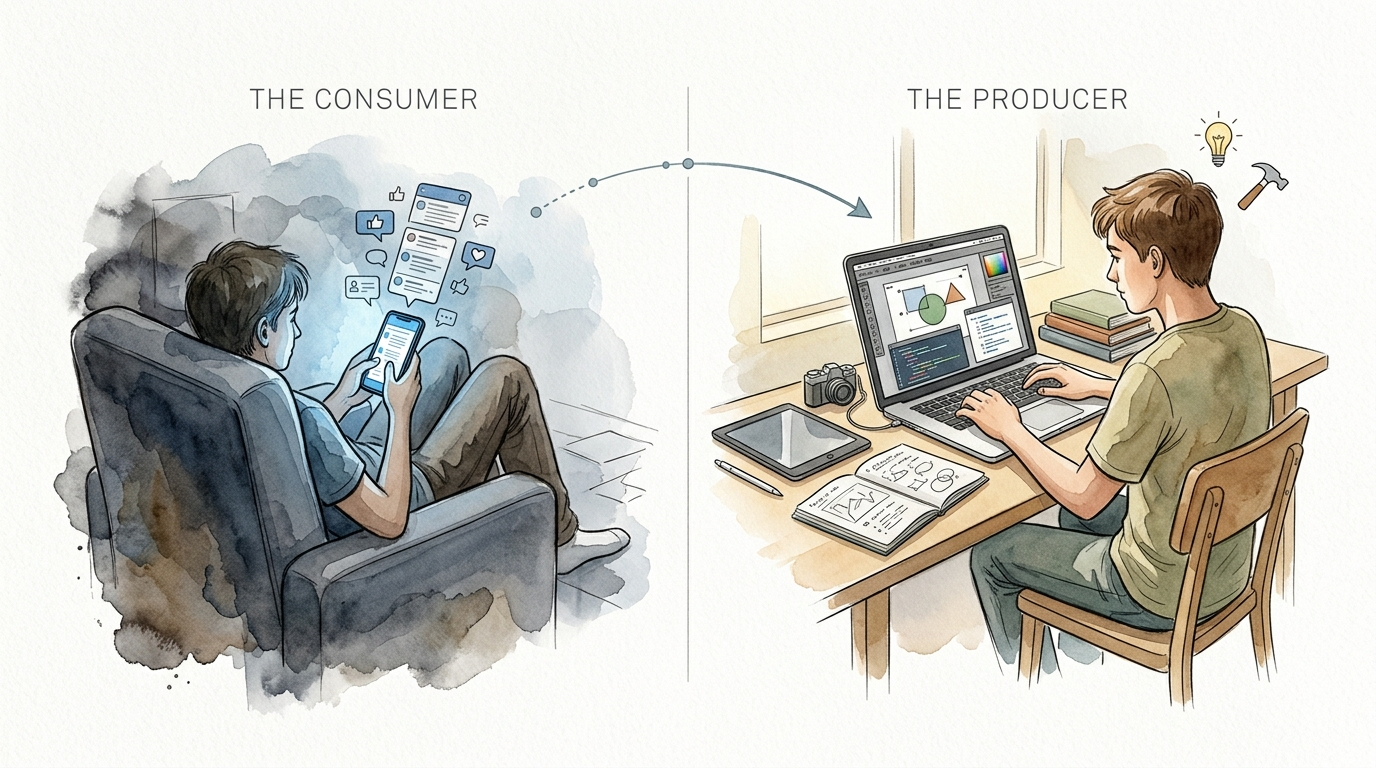
Is your teen being used by the algorithm, or are they using the tools to build a future? The healthiest screen time for teens isn’t ‘less’ time—it’s ‘better’ time. Shift the focus from mindless consumption to active production. This is how you build a digital portfolio instead of just a digital footprint.
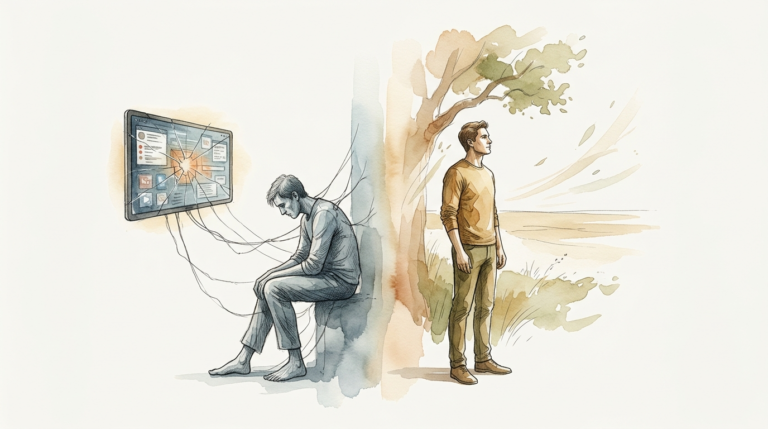
Every parent knows the look. It is the “zombie scroll” state where eyes are glazed and thumbs move on autopilot. It feels like a waste of potential. But the device in their hand is actually a supercomputer capable of professional-grade creation. The difference between a consumer and a producer is simply the intention behind the glass.
Traditional advice focuses on taking the phone away. This article focuses on putting the phone to work. We are going to explore how to transform screen time from a mental drain into a career-building superpower.
healthy screen time for teens
Healthy screen time is not defined by a stopwatch. It is defined by engagement. In the modern world, “screen time” is a broad bucket that includes everything from scrolling TikTok to writing a line of Python code. One is passive consumption. The other is active production.
Active screen time involves cognitive effort and creative output. It is the digital equivalent of playing an instrument or building a model. When a teen uses a screen to learn a skill, solve a problem, or create a piece of art, they are practicing “active” engagement. This type of use is linked to higher self-esteem and better mental health outcomes compared to passive scrolling.
Passive screen time is the opposite. It is the “lean back” experience. Algorithms are designed to keep users in this state because it maximizes ad revenue. Research shows that U.S. teens now average more than eight hours of daily screen time for entertainment alone. This high volume of passive use is what leads to the anxiety and sleep issues parents fear most.
To visualize the concept, think of a kitchen. A consumer is someone who only eats the food delivered to them. A producer is the chef who understands the ingredients and creates the meal. We want teens to be the chefs of their digital lives.
How to Flip the Script: Moving from Consumer to Producer
Shifting from consumption to production requires a change in mindset and a new set of tools. You cannot expect a teen to stop scrolling if they do not have something better to build.
Identify the Niche. Start with what they already consume. If they watch hours of gaming videos, they should explore game design or video editing. If they follow digital artists, they should try a drawing tablet. The bridge from consumption to production is always built on existing interest.
Set Up a Creation Station. Production is harder on a smartphone. Most creative work—coding, writing, or editing—happens better on a laptop or desktop. Move the activity from the couch to a desk. This physical shift signals to the brain that it is time to “work” rather than “relax.”
Follow the “1-to-1” Rule. For every hour spent consuming content, the teen must spend one hour creating it. If they watch a 10-minute tutorial on YouTube, they immediately spend 10 minutes applying that skill. This prevents the “tutorial trap” where they feel like they are learning but never actually build anything.
Find a Public Output. Creation feels meaningless in a vacuum. Teens need a place to “ship” their work. This could be a GitHub repository for code, a private Instagram for digital art, or a personal blog. Having an audience, even a small one, provides the social dopamine that makes production as addictive as consumption.
The Measurable Benefits of Digital Production
The transition to active screen time provides more than just “peace of mind” for parents. It builds a tangible competitive advantage for the teen.
Skill Acquisition. A teen who spends two years “producing” will enter college or the workforce with a massive head start. They will understand software suites like Adobe Creative Cloud, version control systems like Git, or content management systems like WordPress. These are high-value, marketable skills that cannot be learned through passive observation.
Psychological Resilience. Consumption is easy; production is hard. When a teen tries to edit a video and the software crashes, they have to troubleshoot. When their code doesn’t run, they have to find the bug. This builds “digital grit.” They learn that technology is a tool they can master, not a force that controls them.
Portfolio Building. College admissions and employers are increasingly looking beyond GPAs. They want to see what a student has actually built. A digital portfolio showcasing 3-5 high-quality projects is more valuable than a dozen extracurricular “memberships.” It proves initiative, depth, and curiosity.
Common Pitfalls and the “Zombie Scroll” Trap
The biggest obstacle to healthy screen time is the algorithm. It is literally designed to win the battle for your teen’s attention. Understanding how these traps work is the first step in avoiding them.
The Dopamine Loop. Social media apps use variable reward schedules—the same mechanism used in slot machines. You pull the “lever” by refreshing the feed, and occasionally you get a “hit” of something interesting. Producers must learn to find dopamine in the completion of a project rather than the notification bell.
The Tutorial Trap. Many teens feel they are being “productive” because they are watching educational content. However, watching someone else code is still consumption. Without the “active” component of doing the work, the brain does not retain the information. This creates a false sense of progress.
Comparing Progress to Perfection. On social media, teens only see the finished, polished products of professionals. This can lead to “creator’s block.” They feel their first attempt isn’t good enough, so they go back to scrolling. It is vital to emphasize that every producer starts with “ugly” work.
Limits of the Digital Workspace
Even productive screen time has its boundaries. A teen who spends 12 hours a day coding is still missing out on essential developmental needs. Balance is a requirement, not a suggestion.
Physical Health Constraints. No amount of “productive” time replaces the need for movement and sunlight. Sedentary behavior is a risk factor regardless of what is on the screen. Ergonomics also matter; carpal tunnel and eye strain are real risks for young creators who don’t take breaks.
Sleep Requirements. The blue light from screens suppresses melatonin. Even if a teen is working on a brilliant project, they should stop at least one hour before bed. A “productive” brain that hasn’t slept is prone to burnout and poor decision-making.
The Social Connection Gap. Digital production can be solitary. While it builds “hard skills,” it doesn’t always build the “soft skills” of in-person communication. Productive screen time should be balanced with real-world interactions where the teen has to read body language and navigate social nuances in real-time.
Active vs. Passive Screen Time: A Side-by-Side Comparison
The following table clarifies the differences between the two modes of digital engagement. Use this to help your teen audit their own habits.
| Feature | Passive Consumption | Active Production |
|---|---|---|
| Brain State | Alpha waves (relaxed/theta) | Beta waves (focused/active) |
| Goal | Entertainment / Distraction | Creation / Problem Solving |
| Dopamine Source | Notifications & Novelty | Accomplishment & Mastery |
| Outcome | Digital Footprint (History) | Digital Portfolio (Future) |
| Long-term Value | Minimal / Negligible | High Career/Skill Advantage |
Best Practices for Young Creators
If you want to move toward a producer-first lifestyle, follow these actionable tips to optimize the environment for success.
- Use Professional Tools. Don’t settle for “kid” versions of software. If they want to edit video, let them try CapCut or DaVinci Resolve. If they want to design, use Canva or Figma. Using real tools makes the work feel real.
- Block the Noise. Use browser extensions or app blockers to disable “suggested videos” and “trending” sidebars. These are the gravity wells that pull producers back into consumption.
- Join a Community. Production is more sustainable when shared. Encourage them to join Discord servers for coders, Subreddits for writers, or local “maker” spaces. Feedback from peers is the best fuel for growth.
- Audit the Feed. Tell your teen to go through their following list and unfollow anyone who makes them feel “less than.” Replace them with people who inspire them to “do more.”
Advanced Considerations: Building a Personal Brand
For the teen who is serious about production, the next step is moving from “making things” to “building a brand.” This is where digital literacy turns into digital authority.
A personal brand is not about being a “famous influencer.” It is about having a searchable history of competency. When an admissions officer or future employer Googles their name, they shouldn’t just find a profile picture. They should find a trail of projects.
This involves learning about documentation. It is not enough to just build a robot; they need to take photos of the process, write a short post about what failed, and explain how they fixed it. This “build in public” approach shows the world how they think, which is often more important than the final result.
Networking also becomes a factor. A young producer can reach out to professionals in their field for advice. Most experts are surprisingly willing to help a teen who shows genuine initiative and a portfolio of work. This is how high schoolers land internships at tech startups and design firms.
Scenarios: From Scroller to Specialist
How does this look in the real world? Here are three paths a teen might take to transform their screen time.
Scenario A: The Digital Artist. A teen spends 3 hours a day looking at art on Pinterest. They switch to using a stylus and Procreate on an iPad. They start a “30-day drawing challenge.” By the end of the month, they have 30 pieces of art and have learned the fundamentals of lighting and anatomy.
Scenario B: The Aspiring Developer. A teen plays 4 hours of Minecraft daily. They begin learning how to write “mods” or build custom servers using Java. Instead of just playing the game, they are now managing a community of 50 people and troubleshooting server crashes. They are gaining IT experience while having fun.
Scenario C: The Content Strategist. A teen spends hours on TikTok. They decide to learn how the algorithm works. They start a channel dedicated to a specific hobby, like book reviews or historical facts. They learn lighting, scriptwriting, and data analytics to see which videos perform best. They are now a media producer.
Final Thoughts
The “screen time” debate is often framed as a battle of “on” versus “off.” This is a losing strategy. Technology is the infrastructure of the future, and telling a teen to stay off it is like telling a 19th-century student to stay away from books. The goal is to change the nature of the relationship.
When a teen moves from the audience to the stage, their relationship with technology changes. They no longer see the phone as a source of validation or a cure for boredom. They see it as a workshop. This shift reduces the negative mental health impacts of social media because the teen is no longer a “target” of the algorithm—they are a user of the tools.
Encourage your teen to start small. Pick one project, find one tool, and build one thing. The healthiest screen time isn’t about doing less; it’s about being more. Turn the glass into a mirror of their potential rather than a window into someone else’s life.
Sources
1 techhealthyfamilies.com | 2 screenwiseapp.com | 3 edsurge.com | 4 bodewell-law.com | 5 reddit.com | 6 kalaartanddesign.com | 7 childrenandscreens.org | 8 gabb.com | 9 flexworkstudios.com | 10 avidopenaccess.org | 11 gatech.edu | 12 youtube.com | 13 blankspaces.app | 14 riseglobaleducation.com | 15 idtech.com | 16 demandsage.com | 17 stanford.edu