screen free family activities
Is your family ‘connected’ but completely alone? See how to build a sanctuary of real connection. Constant digital exposure can leave our families feeling isolated even when we’re in the same room. Here is how to create a ‘sheltered’ space for real bonding.
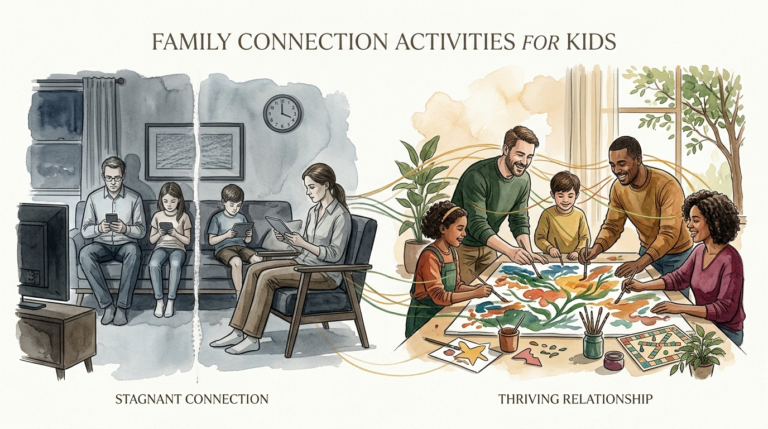
Digital clutter is the silent noise of the modern home. We are physically present but mentally miles apart, chasing notifications while our children chase our attention. This isn’t just about ‘too much TV’ anymore; it’s about a fundamental shift in how we relate to one another.
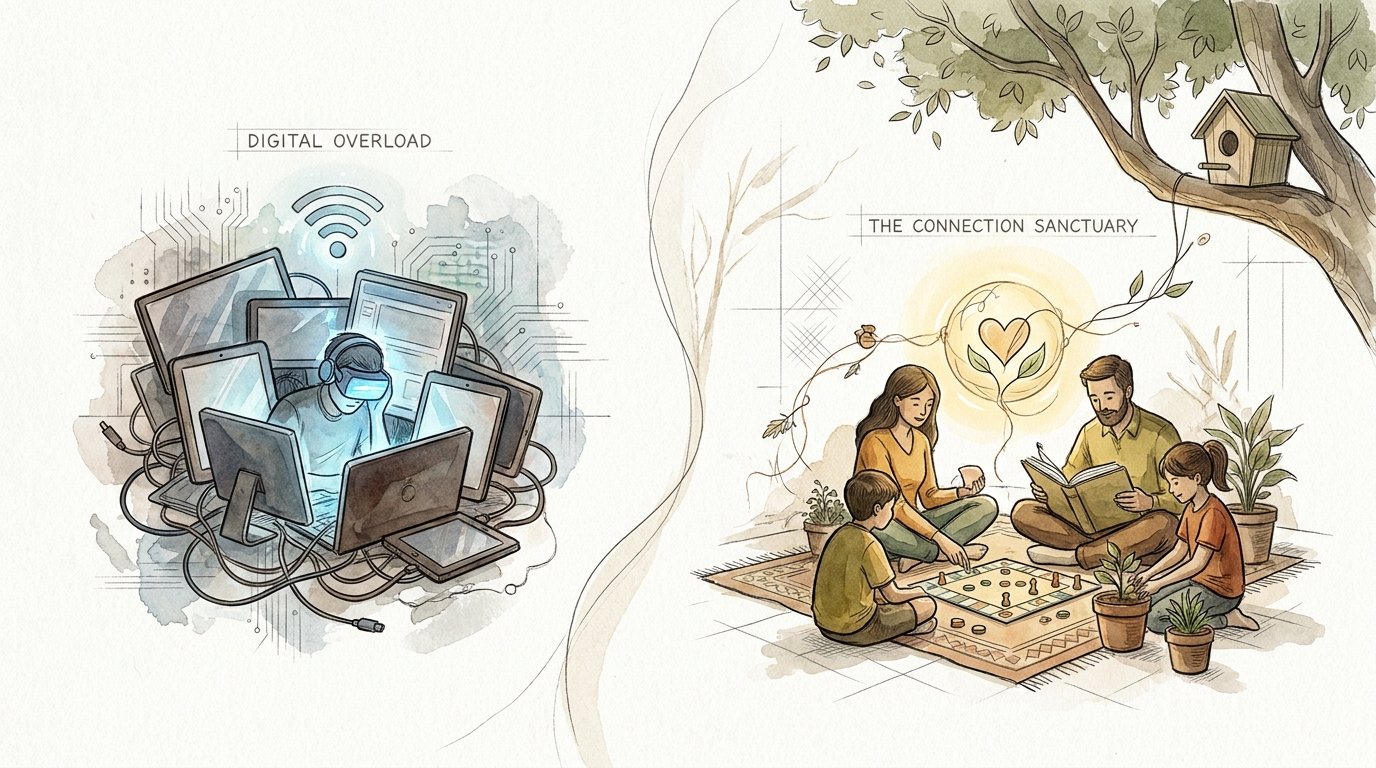
Building a Connection Sanctuary is the antidote to this digital overload. It is a deliberate choice to prioritize the physical world over the virtual one. It matters because real relationships are built in the gaps between screens—in the eye contact, the shared laughter, and even the productive boredom that sparks creativity.
screen free family activities
Screen-free family activities are intentional periods of time where all digital devices—smartphones, tablets, gaming consoles, and televisions—are put away. The goal is to replace digital consumption with active engagement. This isn’t a punishment or a ‘ban.’ It is a lifestyle design choice that favors sensory experiences and face-to-face interaction.
In the real world, these activities manifest as ‘The Saturday Morning Blackout’ or ‘Tech-Free Tuesdays.’ Families use this time to hike, play board games, or simply talk without the ‘technoference’ of a vibrating phone in a pocket. Research suggests that 81% of children under 13 now have their own devices, making these intentional breaks more critical than ever for healthy development.
Think of it like a digital fast. Just as the body needs a break from constant calories, the family brain needs a break from the constant dopamine loops provided by short-form video and social media alerts. These activities create the ‘quiet’ necessary for children to learn emotional regulation and for parents to model focused attention.
How to Build Your Connection Sanctuary
Creating a tech-free culture requires more than just a ‘no phones’ rule. It requires a system. Use these steps to transition from a digital-first home to a connection-first sanctuary.
First, establish a physical ‘device landing zone.’ This is often a decorative basket or a charging station located in a common area like the kitchen or entryway. When the family enters the house or starts a designated screen-free block, all devices go into the basket. Out of sight truly is out of mind.
Second, use the ‘Hook and Ritual’ method. A hook is an irresistible low-barrier activity that bridges the gap between the high-stimulation screen world and the slower real world. For toddlers, this might be a sensory bin filled with rice and hidden toys. For teens, it might be a high-stakes strategy board game like Catan or a DIY pizza-making session.
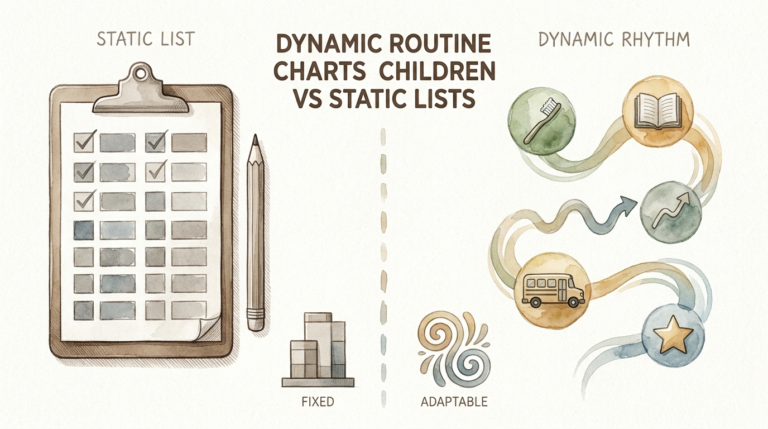
Third, create a visual schedule. For younger children who cannot read yet, use graphics or symbols to show when screen time ends and ‘real play’ begins. Predictability reduces the anxiety and tantrums often associated with turning off devices. Clear boundaries give children a sense of security; they know exactly when they will be expected to entertain themselves or engage with the family.
Benefits of Unplugging Together
The practical advantages of reducing screen time are measurable and immediate. Families often report a significant drop in household stress levels within just 48 hours of implementing tech-free zones.
Cognitive development is a major winner here. When screens are removed, children are forced to navigate ‘productive boredom.’ This state of mind is the primary catalyst for creativity. Without a screen to provide instant entertainment, the brain begins to innovate, leading to deeper imaginative play and improved problem-solving skills.
Emotional bonding becomes more profound when ‘phubbing’—the act of snubbing someone in favor of a phone—is eliminated. Studies show that even the presence of a smartphone on a table reduces the quality of conversation. By removing the device, you signal to your partner and children that they are the most important thing in the room. This builds a foundation of security and self-worth that digital ‘likes’ can never replicate.
Sleep quality also sees a massive improvement. The blue light from screens suppresses melatonin, tricking the brain into thinking it is daytime. Turning off devices at least 60 minutes before bed helps the whole family fall asleep faster and achieve deeper, more restorative rest.
Challenges and Common Pitfalls
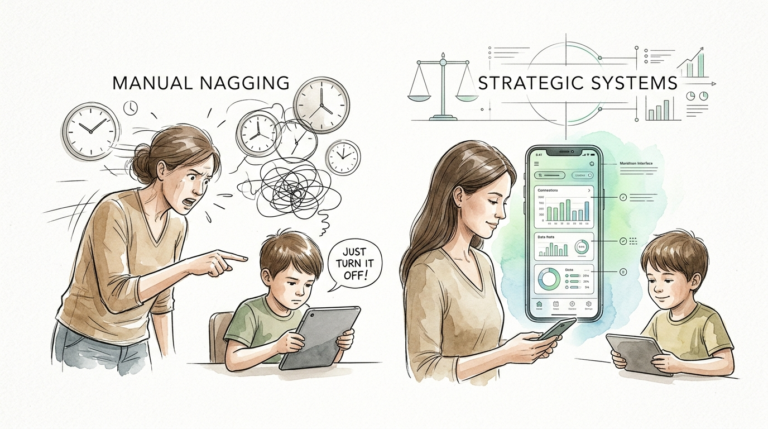
The biggest hurdle is often parental hypocrisy. Children are master observers; if you tell them to put down the tablet while you are secretly checking emails under the table, the system will fail. You must be the lead explorer in this screen-free journey.
Another common mistake is ‘going cold turkey’ without a plan. If you suddenly ban all screens but have no activities ready to fill the void, the family will likely experience a ‘stimulation crash.’ This leads to irritability and eventually a return to screens just to keep the peace. You must provide alternatives that are engaging enough to compete with the high-octane digital world.
Teenager resistance is a realistic challenge. For adolescents, the phone is a primary social lifeline. Forcing a total disconnect can feel like social isolation to them. The key is to frame the ‘Connection Sanctuary’ as a family challenge with rewards, rather than a top-down mandate. Involving them in the planning—letting them choose the board games or the hiking trail—increases their buy-in.
Limitations and Realistic Boundaries
Total digital elimination is rarely practical in the modern world. Many school assignments require laptops, and work-from-home parents often need to be reachable for emergencies. Recognizing these constraints is essential for long-term success.
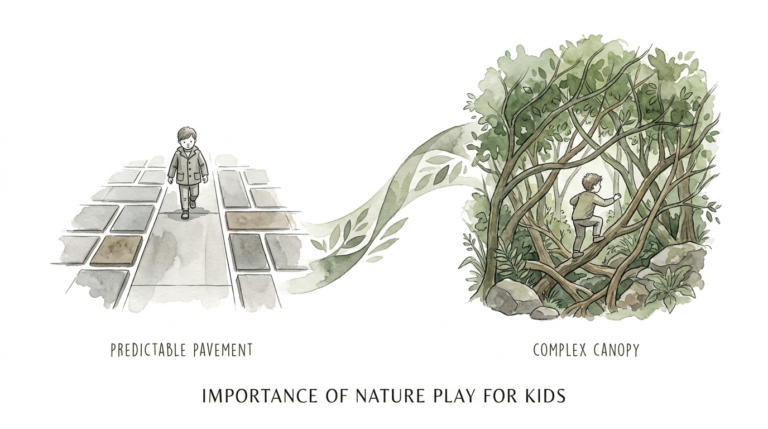
Environmental limitations also play a role. If you live in an area with long, dark winters, outdoor activities aren’t always an option. In these cases, you have to lean harder into indoor ‘analog nesting’—think elaborate puzzles, indoor ‘Olympics’ with soft balls, or collective cooking projects.
Don’t let ‘perfect’ be the enemy of ‘better.’ If a busy Tuesday requires a movie so you can finish a project, that doesn’t mean your Connection Sanctuary is ruined. The goal is a healthy balance, not a total rejection of technology. Focus on the ‘Big Three’ moments: meals, the hour before bed, and weekend mornings.
Digital Overload vs. The Connection Sanctuary
Understanding the difference between these two environments helps you make better daily choices.
| Feature | Digital Overload | Connection Sanctuary |
|---|---|---|
| Primary Brain State | Passive, high-dopamine, reactionary | Active, creative, present |
| Social Dynamics | “Alone Together” (Phubbing) | Direct eye contact, active listening |
| Boredom Response | Instant scrolling/App switching | Innovation, play, daydreaming |
| Physical Health | Sedentary, eye strain, poor sleep | Movement-focused, restorative rest |
Practical Tips for Instant Results
You can start reclaiming your family time today with these simple best practices. Implement them one at a time to avoid overwhelming your household.
- The ‘Airplane Mode’ Dinner: Make the dining table a hard-no zone for phones. If someone needs to check a device, they must physically leave the table.
- Analog Morning Rituals: Keep phones out of the bedroom. Use a traditional alarm clock so the first thing you touch in the morning isn’t a notification feed.
- The ‘Boredom Jar’: Write down 20 quick, screen-free tasks (e.g., “build a card tower,” “draw a self-portrait,” “do 50 jumping jacks”) and put them in a jar. When a child says “I’m bored,” they pick one.
- Outdoor ‘Micro-Adventures’: You don’t need a national park. A 20-minute walk around the block without phones counts as a screen-free victory.
Focus on the ‘5 C’s’ framework often recommended by pediatricians: connection, calm, creativity, cognitive challenge, and content (high-quality choices). When you do return to screens, ensure the content is intentional rather than mindless scrolling.
Advanced Considerations for Serious Practitioners
For those who want to go beyond simple time-limits, consider ‘Analog Nesting.’ This involves redesigning your physical space to make screen-free living the default. Arrange your living room furniture to face each other rather than the TV. Create dedicated ‘hobby zones’ for art, reading, or music that are always ready to use.
Scaling these efforts might involve ‘Playdate Pods.’ These are small groups of local families who agree to meet weekly for themed, tech-light adventures. This solves the ‘social pressure’ problem for children by ensuring their peers are also unplugged, making the real world the more socially rewarding option.
Consider the long-term impact on ‘white matter’ organization in the brain. Research published in 2025 suggests that excessive screen time in late childhood correlates with depressive symptoms in early adolescence, often mediated by poor sleep. By strictly protecting sleep and face-to-face time, you are literally architecting your child’s brain for better emotional resilience.
Examples of Screen-Free Success
Imagine a typical ‘Rainy Day Indoor Olympics.’ Instead of defaulting to a movie marathon, the family uses painter’s tape to create ‘lanes’ in the hallway. They use rolled-up socks as ‘shot puts’ and paper plates as ‘discus’ discs. The competition is fierce, the energy is high, and the memory of ‘The Great Sock-Throw of 2026’ lasts far longer than any cartoon plot.
Another example is ‘The Great Kitchen Bake-Off.’ Assign each family member a specific role—the ‘Head Chef,’ the ‘Timer Specialist,’ and the ‘Cleanup Crew.’ Choose a recipe that is slightly too difficult, forcing everyone to collaborate and problem-solve. The result isn’t just a cake; it’s a lesson in teamwork and a shared sensory experience of smell, taste, and touch.
Final Thoughts
Reclaiming your family from digital overload isn’t about retreating to the Stone Age. It is about being the master of your tools rather than a slave to their algorithms. By creating a Connection Sanctuary, you provide your children with the two things they need most: your presence and the space to discover who they are without a digital filter.
Start small. Choose one window of time this weekend—perhaps just two hours—where the basket is the only home for your phones. Watch how the room changes. Listen to the shift in the conversation. You might find that the ‘boredom’ you feared is actually the birthplace of the most vibrant memories your family will ever make.
Applying these principles consistently will transform your home from a collection of isolated users into a thriving, bonded unit. Experiment with the rituals that work for your unique family dynamic and don’t be afraid to lead by example. The real world is waiting for you to log back in.
Sources
1 care-clinics.com | 2 youtube.com | 3 kidkraft.com | 4 medlineplus.gov | 5 mashable.com | 6 childrenshospital.org | 7 connecticutchildrens.org | 8 bestchoicecounselling.com | 9 crosswindscounseling.org | 10 unicef.org | 11 gabb.com | 12 childrenandscreens.org | 13 nih.gov | 14 verizon.com | 15 luriechildrens.org | 16 childrenandnature.org | 17 sciencedaily.com | 18 mayoclinichealthsystem.org | 19 nih.gov | 20 researchgate.net | 21 substack.com | 22 rforrabbit.com | 23 recordablebookbuddy.com