Encouraging Kids To Create Not Buy On Vacation
Will they remember the plastic toy they bought for $10, or the world they built for themselves with a 50-cent pen? The souvenir industry is designed to make children passive consumers of “place.” A journal forces them to be producers of “meaning.” One leaves you with more plastic clutter; the other leaves them with a developed sense of identity and a record of their own growth.
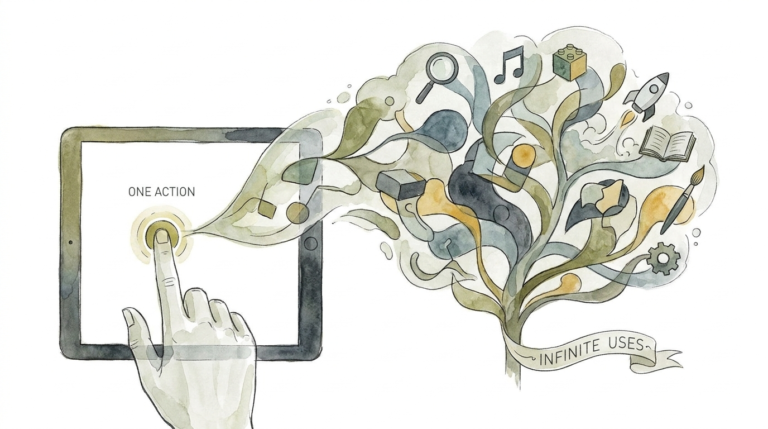
Vacations represent a rare break from the rigid schedules of school and extracurriculars. This open space is a goldmine for development, yet it is often filled with the dopamine hits of gift shop trinkets and screen-based consumption. Shifting from a consumer mindset to a creator mindset changes how a child perceives their surroundings. Instead of asking “What can I get here?”, they begin to ask “What can I make of this?”.
This guide explores how to transform travel from a series of purchases into a series of creative acts. You will learn how to equip your children with the tools they need to document their journey, process their emotions, and build a lasting connection to the cultures they visit.
Encouraging Kids To Create Not Buy On Vacation
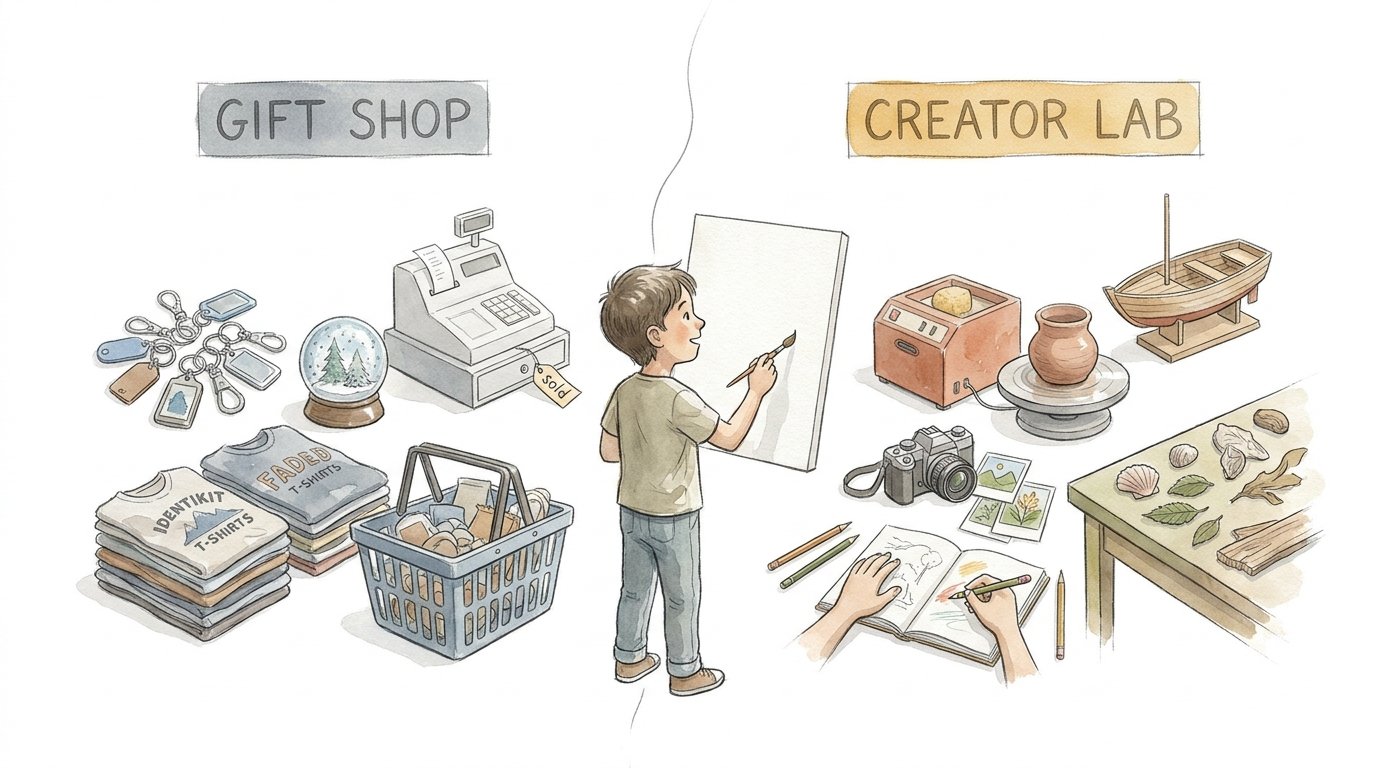
Encouraging kids to create rather than buy is about moving from a “Gift Shop” mentality to a “Creator Lab” mindset. This approach prioritizes active engagement over passive acquisition. In a world of mass-produced souvenirs, a hand-drawn map or a collection of pressed leaves carries more weight because it requires the child to pay attention to the details of their environment.
This concept exists to solve two modern parenting problems: the accumulation of “travel clutter” and the “YouTube trance” that often takes over during transit or downtime. When children are encouraged to be creators, they stop being mere observers of a destination and start being participants. This is used in real-world situations ranging from long-haul flights where a “Doodle Book” replaces a tablet, to mountain hikes where “Nature Rubbings” become the ultimate memento.
Imagine a child at the base of the Eiffel Tower. A passive consumer wants the $5 plastic keychain. A creator, however, sits on a park bench and tries to sketch the geometric patterns of the ironwork. The keychain will likely be lost in a toy box within a month. The sketch, however, represents twenty minutes of deep observation, motor skill practice, and a personal connection to Parisian architecture.
Short, intentional creative bursts help children catalog their experiences into long-term memory. Studies suggest that the act of “cataloging” a scene through sketching or writing helps kids remember it longer than simply taking a photo or observing it. Their creations become a “personal souvenir”—a tangible output they can show to others and keep for a lifetime.
The Mechanics of the Creator Mindset
Shifting to a creator mindset requires specific systems and parent-led prompts. You cannot simply take away a toy and expect a child to start composing poetry. The process involves providing a “bridge” from consumption to creation.
One effective technique is the “Watch One, Make One” rule. If a child spends 30 minutes watching a travel vlog or a cartoon, they must spend 15 minutes in a creator app or with a physical journal. This balances consumption with active production. Another system involves the “Tour” method. If they are building in a digital world like Minecraft, ask for a tour of their work. When they explain their logic, they move from a “zoning out” state to a “zoning in” state.
Establishing a “Creative Go-Bag” is the physical foundation of this process. This kit should be lightweight and always accessible. It serves as a visual cue that when we are waiting—whether for a plane, a train, or a meal—we create. This moves the child away from boredom-induced requests for new toys and toward self-sufficiency.
Setting the Scene for Success
Unstructured time is a vital ingredient. Rushing from one landmark to the next leaves no room for reflection. Parents should intentionally schedule “white space” into the itinerary. This might mean an hour at a local park or a slow morning in a cafe where the only agenda is to open the journal and see what happens.
Practical Creative Activities for Every Destination
The beauty of the Creator Lab is that it adapts to any environment. Whether you are at a crowded theme park or a remote beach, there is always something to make.
The Multi-Sensory Travel Journal
Traditional journaling can feel like homework if it is just about writing sentences. Encourage a “scrapbook” style instead. Kids can glue in ticket stubs, sugar packets from a local cafe, or even a bit of interesting sand in a small pouch. Use the “Five Senses” prompt: Write down one thing you saw, smelled, heard, tasted, and touched today. This grounding exercise improves mindfulness and helps children navigate the sensory overload often found in busy cities.
Ephemeral Nature Art
For outdoor vacations, nature provides all the materials needed. Children can create “Land Art”—patterns made of stones, leaves, and twigs—inspired by artists like Andy Goldsworthy. Since this art stays behind, have the child take a photo of their creation. This teaches them that the act of creating is as valuable as the physical object itself.
Field Photography and Vlogging
Give a child an old smartphone or a cheap digital camera and a specific “mission.” Instead of just taking random photos, ask them to find “five different types of doors” or “three shades of blue.” For older kids, vlogging can be a powerful storytelling tool. Encourage them to record short “reports” on what they learned. This improves their verbal communication and forces them to synthesize information on the fly.
Soundscapes and Interviews
Use the voice memo app on a phone to record the “sounds of the city.” The chime of a cathedral bell, the chatter of a foreign market, or the sound of waves can be more evocative than a photo. Advanced creators can even interview locals, asking simple questions like, “What is your favorite thing about living here?” This builds confidence and social skills while providing a unique record of the culture.
Benefits of the Creator Lab Approach
The benefits of choosing creation over consumption are measurable across several domains of childhood development.
- Enhanced Memory Retention: The tactile experience of writing, drawing, and pasting mementos helps solidify memories. When children take the time to catalog a scene, it enters their long-term memory bank more effectively than a passive observation.
- Emotional Regulation: Travel is exciting but can also be stressful. Journaling provides a therapeutic outlet for processing frustration from delayed flights or the anxiety of a strange place. It allows kids to express their honest emotions in a safe space.
- Financial Literacy: By bypassing the gift shop, children learn that value is not always tied to a price tag. The “10-Dollar Test” is a great way to teach this: give them a small budget for the whole trip and see if they choose a plastic trinket or save it for an experience. Often, once they realize money is finite, they become much more cautious shoppers and more interested in the free “souvenirs” they can create.
- Cognitive and Motor Skills: Arts and crafts reduce cortisol levels and stimulate hormones that promote joy. Fine motor skills are sharpened through sketching and intricate tasks like origami or lacing cards.
- Identity Building: A collection of journals over several years becomes a record of a child’s evolving perspective. They can look back and see how their handwriting improved, how their interests shifted, and how they conquered fears.
Challenges and Common Mistakes
The biggest hurdle is often the “I’m Bored” phase. Parents frequently feel the urge to prescribe a solution or buy a new toy to quiet a restless child. This is a mistake. Unstructured time and a little bit of boredom are the precursors to creativity. If you solve the boredom immediately with a purchase, the child never learns to use their own imagination to fill the gap.
Another common mistake is focusing on the “Product” rather than the “Process.” If a parent critiques a child’s drawing or insists on a “neat” journal, the activity starts to feel like a chore. This pressure can shut down the creative impulse entirely. The goal isn’t to produce a masterpiece; it’s to engage with the world.
Logistical errors also play a role. Carrying too many supplies makes the process feel burdensome. If the art kit is buried at the bottom of a heavy suitcase, it won’t be used. Keep materials light, accessible, and high-quality. A cheap pen that skips or markers that bleed through paper will frustrate a young artist and lead them back to the ease of a screen.
Limitations and Realistic Constraints
This approach is not a “magic pill” for every situation. There are realistic boundaries that parents must respect to avoid burnout.
Travel fatigue is real. A child who has been walking through museums all day may not have the mental energy to sit and “be creative” in the evening. In these moments, forcing a creative act can lead to meltdowns. It is perfectly acceptable to have “low-activity” periods where they simply rest or watch a movie. The Creator Lab is a tool, not a mandatory curriculum.
Age appropriateness is another constraint. A toddler’s “creation” might just be a series of scribbles on a napkin, while a teenager might want to edit a sophisticated video. Parents must adjust their expectations based on the child’s developmental stage. Pushing a child into a medium that is too complex for them will only result in frustration.
Finally, environmental limitations exist. You cannot paint with watercolors on a bumpy bus ride, and you shouldn’t collect rocks in a protected National Park. Creators must learn to respect the rules of the place they are visiting, which sometimes means sticking to digital tools or simple sketching.
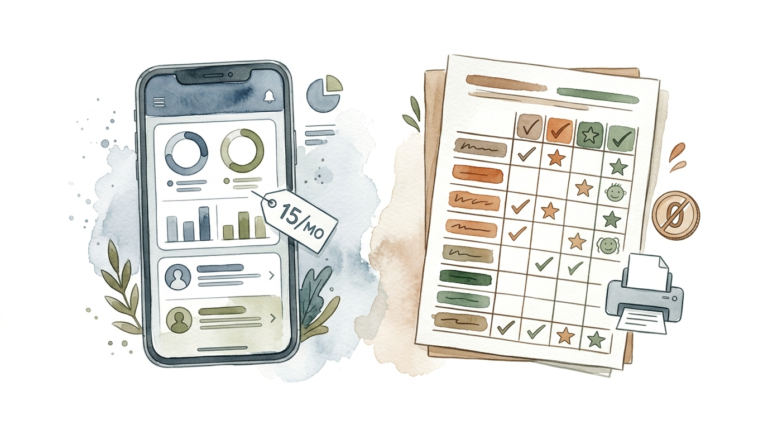
Comparison: GIFT SHOP vs. CREATOR LAB
| Factor | The Gift Shop (Consumer) | The Creator Lab (Producer) |
|---|---|---|
| Cost | High (Repeated small purchases add up) | Low (Basic supplies like paper/pens) |
| Memory Value | Low (Often forgotten or broken quickly) | High (Tied to deep observation/effort) |
| Skill Level | None required | Builds motor and storytelling skills |
| Sustainability | Low (Contributes to plastic waste) | High (Focuses on experiences/natural items) |
| Parental Involvement | Passive (Buying) | Active (Guiding/Prompting) |
Practical Tips and Best Practices
The “Creative Go-Bag” is your most valuable asset. This should be a small, dedicated pouch that contains:
- A high-quality unlined sketchbook (thick paper is best for different mediums).
- A small set of colored pencils or twistable crayons.
- A glue stick and a small roll of washi tape for attaching mementos.
- A multi-purpose pen (black ink).
- A few blank postcards (for writing to friends or themselves).
Optimization techniques for parents include the “Invitation to Draw.” Instead of saying “Go draw something,” start a drawing yourself or place the sketchbook open on a table with a few interesting items next to it, like a cool leaf or a local coin. Curiosity usually does the rest.
Efficiency improvements can also come from “Prompt Lists.” Keep a list of 10 things for them to find or record on your phone. When the energy dips, you can pull out a prompt like “Find the funniest-looking sign in this terminal” or “Describe what the street food smells like.”
Advanced Considerations: The Digital Creator
For older children or those already deeply embedded in tech, move them from passive scrolling to active digital production. This is about using the “literacy of the future” to document the past.
Digital storytelling platforms like Stop Motion Studio or Canva allow kids to turn their travel photos into animations or professional-looking journals. If they are playing games like Minecraft or Roblox, encourage them to build “replicas” of the places they’ve seen. This requires them to remember proportions, colors, and layouts, which is a sophisticated form of architectural study.
Scaling considerations also apply to the “After-Trip” phase. Once home, don’t let the creations gather dust. Create a “Viewing Night” where the child presents their vlogs or journals to the family. This reinforces that their work is valued and gives them a sense of accomplishment. You might even consider scanning their physical art to create a printed photo book, merging the tactile with the digital for a permanent archive.
Real-World Scenarios
Consider two families visiting a beach in Greece.
Scenario A (The Consumer): The children spend the afternoon asking for ice cream and plastic shovels from the boardwalk shop. They play with the shovels for an hour, leave them in the sand, and ask for a new toy at dinner. Their memories of the beach are fragmented and tied to what they “got.”
Scenario B (The Creator): The children are given a “Nature Mission.” They spend the afternoon collecting pieces of sea glass and uniquely shaped driftwood. They use these items to build a “village” in the tide pools, which they then photograph from different angles to create a story. In the evening, they use a glue stick to put a pinch of sand and a small shell into their journals, writing down that the water was “the color of a blue popsicle.”
In Scenario B, the cost was zero, the engagement was deep, and the result was a permanent record of their personal experience. They didn’t just visit the beach; they interacted with its ecology and geography.
Final Thoughts
Encouraging kids to create rather than buy is one of the most sustainable and rewarding shifts a traveling family can make. It replaces the temporary high of a purchase with the lasting satisfaction of an achievement. By providing the right tools and fostering a “Creator Lab” environment, you empower your children to see the world as a canvas rather than a catalog.
This approach builds resilience, sparks curiosity, and develops a child’s ability to find meaning in the mundane. While the “Gift Shop” offers a generic version of a destination, the “Creator Lab” offers a version that is entirely their own.
Start small on your next trip. Pack a simple notebook and a pen. Let the boredom set in for a few minutes, then offer a prompt. You might find that the most valuable thing they bring home isn’t in their suitcase, but in their mind—a newly discovered confidence in their own ability to turn the world into art.
Sources
1 screenwiseapp.com | 2 parentmap.com | 3 financialsuccessmd.com | 4 mostt.co | 5 lelycee.org | 6 theflyingkids.com | 7 readbrightly.com | 8 capitalone.com | 9 factoryinternational.org | 10 kindercare.co.nz | 11 bethkobliner.com | 12 kcedventures.com | 13 artfulparent.com | 14 worldhealth.net | 15 trippedtravelgear.com | 16 nobackhome.com | 17 nikodouniko.com | 18 duncanandstone.com | 19 thefullpassport.com | 20 imthecheftoo.com | 21 nih.gov | 22 psychologytoday.com | 23 todaysparent.com | 24 arcaofficial.com