
Signs Of Screen Overuse In Children
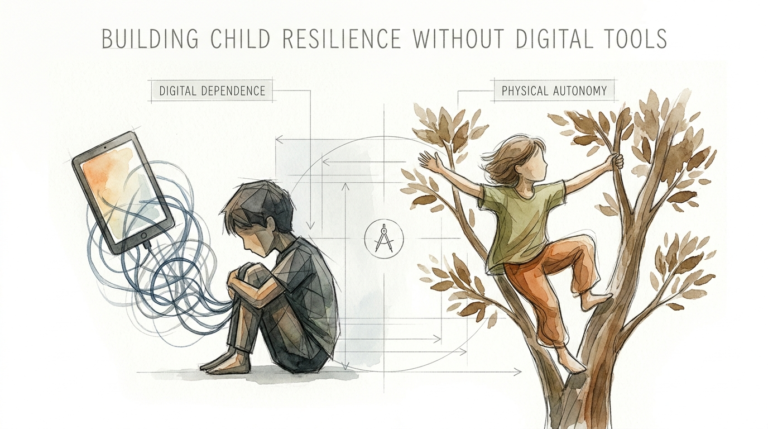
When the high-definition world starts making real life look dull, the habit has become a hunger. Our ancestors didn’t need 60 frames per second to feel alive. If your child has stopped noticing the texture of the world—the mud, the sticks, the bugs—because a screen offers a faster hit of dopamine, it’s time to recalibrate. We are trading tactile wisdom for digital shadows.

The transition from a wooden block to a glowing tablet happens in a heartbeat. One moment, a child is exploring the physics of gravity with a handful of dirt. The next, they are locked into a loop of algorithmically perfected colors and sounds. This shift isn’t just about entertainment; it is about the fundamental way a young brain learns to process the world.

Modern life demands digital literacy, but it should not demand our children’s primary connection to reality. Understanding how screens influence behavior and biology is the first step toward reclaiming balance. This guide is designed to walk you through the signs of overuse, the science of the dopamine trap, and the practical path back to ancestral joy.
Signs Of Screen Overuse In Children
Identifying screen overuse is not always about the total number of hours spent on a device. It is more about the functional impact technology has on a child’s daily life and emotional state. In a world where screens are integrated into education and socializing, the “red flags” often manifest as behavioral shifts rather than just a clock ticking.
One of the most immediate signs is emotional dysregulation during transitions. If a child reacts with extreme anger, tears, or a physical “meltdown” when told to turn off a device, the brain is struggling to let go of a high-stimulus environment. This is often more than a simple tantrum; it is a neurological withdrawal from a constant stream of rewards.
Social withdrawal is another significant indicator. You might notice your child losing interest in face-to-face play or physical activities they once loved. When the “supernormal stimuli” of a video game or a short-form video app makes a game of tag in the yard feel “boring,” the baseline for excitement has shifted.
Physical symptoms frequently accompany these behavioral changes. Chronic screen overuse is often linked to sleep disruption. Blue light exposure late in the day suppresses melatonin, making it harder for the brain to signal that it is time for rest. You may also observe “screen fog,” characterized by a shortened attention span or difficulty focusing on non-digital tasks like reading or homework.
The Dopamine Trap: How Digital Overload Rewires the Brain
Understanding why children are so drawn to screens requires looking into the nucleus accumbens, the brain’s reward center. Every swipe, like, and level-up triggers a release of dopamine. This neurotransmitter is responsible for motivation and pleasure, but it was designed for survival—finding food, learning skills, or social bonding.
Digital platforms are engineered to exploit this system. Unlike real-world play, which requires effort and time to yield a “reward,” digital content provides instant gratification. Over time, the brain becomes desensitized to these frequent surges. The result is a tolerance where more stimulation is required just to feel “normal.”
The developing prefrontal cortex is particularly vulnerable. This part of the brain is responsible for executive functions like impulse control, planning, and emotional regulation. Because this area doesn’t fully mature until the mid-20s, children lack the biological “brakes” to stop a dopamine-seeking loop. They are essentially driving a high-speed car without a functioning braking system.
When a child is constantly flooded with digital rewards, their brain may begin to “thin” in regions associated with intelligence and sensory development. Research has shown that excessive screen time—particularly over seven hours a day—correlates with premature thinning of the cerebral cortex. This is why recalibration is a biological necessity, not just a parenting preference.
How to Recalibrate: A Step-by-Step Guide to the Digital Detox
Recalibrating your child’s relationship with technology is not about a permanent ban on devices. It is about resetting the baseline of their reward system. Think of it as a “digital palate cleanser” that allows the brain to find joy in slower, more tactile experiences again.
Step 1: Audit and Observe. Before making changes, track the current usage for three days. Note not just the time, but the type of content. Is it passive (scrolling videos) or active (creating digital art)? Observe the behaviors immediately following screen use. This data will help you identify the biggest “dopamine spikes” that need to be addressed.
Step 2: Establish “Tech-Free Zones.” Boundaries should be physical and predictable. The dining table and all bedrooms are the most critical tech-free areas. Removing screens from the bedroom ensures that sleep hygiene is protected. Charging all devices in a central family location overnight prevents the temptation of late-night scrolling.
Step 3: The Gradual Fade or the Clean Break. For some families, reducing screen time by 30 minutes every few days is effective. For others, a 48-hour “total reset” over a weekend works better. During a reset, engage the child in high-sensory, high-engagement activities like hiking, building with physical tools, or cooking. These activities provide a different, healthier type of sensory input.
Step 4: Replace, Don’t Just Remove. Nature abhors a vacuum, and so does a child’s schedule. If you take away the tablet, you must provide a “hook” for their curiosity. This is where ancestral joy comes in. Introduce unstructured play materials—sticks, mud, paint, or cardboard boxes. The goal is to move from “formatted play” to “imaginative play.”
Benefits of Reclaiming Tactile Wisdom
When a child steps away from the screen and into the physical world, the benefits are measurable across every developmental domain. This isn’t just about “getting fresh air”; it is about providing the brain with the complex, multi-sensory data it evolved to process.
Cognitive Growth and Problem Solving. Real-world environments are unpredictable. A child building a fort in the woods has to deal with uneven ground, varying branch weights, and changing weather. These “analog” problems require deep critical thinking and executive function skills that a pre-programmed game cannot replicate.
Emotional Resilience and Boredom. In the digital world, boredom is killed instantly with a swipe. In the physical world, boredom is the precursor to creativity. When a child is allowed to be bored, their brain eventually switches to its “default mode network,” which is where daydreaming, self-reflection, and original ideas are born.
Sensory Integration. Screens primarily engage two senses: sight and hearing. Nature and tactile play engage all five. Feeling the grit of sand, smelling the rain, and balancing on a log helps develop the vestibular and proprioceptive systems. This integration leads to better physical coordination and a stronger sense of “self” in the world.
Common Mistakes and How to Avoid Them
Many parents start a digital recalibration with the best intentions but fall into traps that lead to power struggles. Avoiding these pitfalls makes the transition smoother for everyone in the household.
The “Screen as a Pacifier” Trap. It is tempting to use a tablet to stop a public tantrum or to get through a long wait. However, this teaches the child that high-intensity stimulation is the only way to manage difficult emotions. Instead, carry a “boredom bag” with physical items like sketchbooks, puzzles, or small figurines.
Inconsistency in Rules. If screen limits change every day based on the parent’s mood or exhaustion level, the child will continue to “negotiate” and push boundaries. Consistency provides safety. Use visual timers or written schedules so the “rule” is an objective part of the day, not a personal whim of the parent.
Ignoring Your Own Example. Children are biological mirrors. If a parent is constantly checking their phone during family time, the child perceives the device as the most important object in the room. To successfully recalibrate a child, the adults must also practice intentional tech use. Set “phone-away” times for everyone to model the behavior you want to see.
Limitations: When the “Digital Fast” Isn’t Ideal
While reducing screen time is generally beneficial, it is important to recognize when a rigid approach might be counterproductive. Technology is a tool, and like any tool, its value depends on the context of its use.
In modern educational settings, screens are often mandatory. A child who is completely “offline” may struggle to keep up with school assignments or miss out on collaborative projects. The goal should be digital hygiene rather than digital isolation. Balancing school-required screen time with leisure-time nature play is the sustainable path.
Furthermore, children with specific neurodivergent needs, such as those on the autism spectrum, often use technology for sensory curation and self-soothing. For these children, a “blanket ban” can be highly distressing and may remove a vital communication tool. Recalibration for neurodivergent children must be individualized, focusing on moving from “stuck” loops to purposeful, regulated use.
Modern Dependency vs. Ancestral Joy
To understand the difference between these two states, consider how they impact a child’s baseline energy and curiosity.
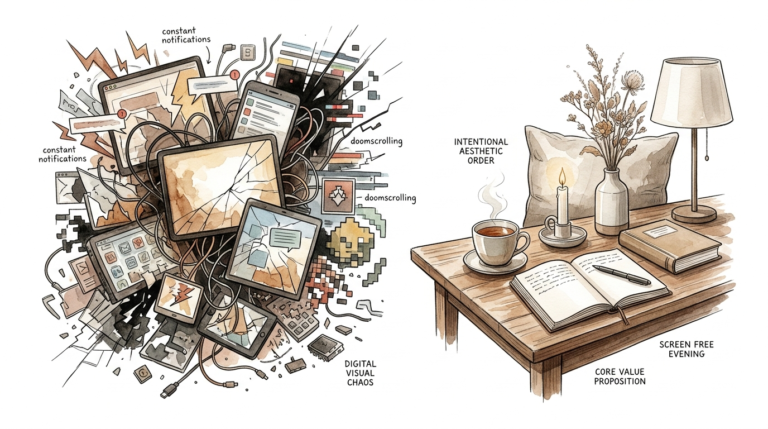
| Feature | Modern Dependency (Screens) | Ancestral Joy (Nature/Tactile) |
|---|---|---|
| Dopamine Hit | Instant, high-frequency, short-lived. | Delayed, earned through effort, sustained. |
| Sensory Input | Narrow (2D vision and audio). | Broad (Full five-sense engagement). |
| Creative Output | Passive consumption of pre-made worlds. | Active creation of games and stories. |
| Physical State | Sedentary, “fight or flight” arousal. | Active, motor skill development, “rest and digest.” |
Practical Tips for Immediate Implementation
Changing habits is hard, but small, daily adjustments can lead to massive shifts over time. Use these actionable tips to start the process today.
- The 1-for-1 Rule: For every hour of screen time, require one hour of “green time” (outdoor play). This teaches the value of balance and prevents technology from becoming the default state.
- Use Visual Timers: A ticking clock or a countdown app helps children see that time is a finite resource. It makes the “end” of screen time feel less like a sudden punishment and more like a natural conclusion.
- Curate “Active” Tech: Not all pixels are equal. Encourage apps that require coding, drawing, or music composition rather than just watching videos. This shifts the child from a consumer to a creator.
- The Morning Buffer: Avoid screens for the first hour of the day. Starting the day with physical movement or reading sets a much calmer neurological tone for the hours that follow.
- Night-Mode Everything: If screens must be used in the evening, ensure blue-light filters are active and brightness is low. However, the best practice remains a hard cutoff 60 minutes before bed.
Advanced Considerations for Long-Term Success
As you move beyond the basics of screen limits, consider the deeper psychological drivers at play. For older children and teens, the “hunger” for screens is often driven by a need for social connection or autonomy.
If a child is using a specific game to talk to friends, taking it away can feel like social isolation. Instead of a ban, work on building “real-world” social opportunities that offer the same sense of belonging. Encourage sports, clubs, or neighborhood meetups where the connection isn’t mediated by a server.
Additionally, teach digital literacy. Discuss how apps are designed to keep people hooked. When a child understands the “trick” behind the algorithm, they gain a sense of agency. They stop being the product and start being the user. This intellectual defense is far more effective than any parental control software in the long run.
Scenario: The Saturday Morning Transition
Imagine a typical Saturday morning. In many homes, the kids wake up and immediately head for the TV or tablets, staying in a “digital trance” until noon. By lunchtime, they are often irritable, hungry but refusing to eat, and resistant to any suggestions for outdoor activity.
Contrast this with a recalibrated morning. The devices remain in the kitchen charging dock. The family starts with a simple task—perhaps making pancakes or going for a 15-minute walk to see what the weather is doing. The child’s brain starts the day with “slow dopamine.”
When screen time finally happens in the afternoon, it is a scheduled event with a clear start and end. Because the child has already engaged their body and their imagination, they are less likely to fall into a “meltdown” when the device is turned off. They have other “worlds” to return to—the LEGO castle they started building or the book they left on the couch.
Final Thoughts
Recalibrating a child’s digital habit is one of the most challenging but rewarding tasks a modern parent can undertake. It is a process of trading “digital shadows” for the vivid, messy, and essential texture of real life. By focusing on the biological needs of a developing brain—sleep, movement, and multi-sensory play—you provide your child with a foundation that no high-definition screen can match.
Remember that the goal is not perfection, but intentionality. Screens are a part of our world, but they do not have to be the whole world. Every time you choose the mud over the monitor or the stick over the stylus, you are helping your child reclaim their ancestral joy.
Start small. Pick one tech-free zone today. Observe the changes in your child’s eyes, their energy, and their ability to wonder. The world is waiting for them to notice it again, and the rewards of a balanced life far outweigh the highest score in any game.
Sources
1 thejacobsladdergroup.org | 2 choc.org | 3 schreiberpediatric.org | 4 recordablebookbuddy.com | 5 strong4life.com | 6 aacap.org | 7 networkhealth.com | 8 mmguardian.com | 9 ccrcca.org | 10 healthywithin.com | 11 mayoclinic.org | 12 potsdam.edu | 13 childmind.org | 14 compasschildcare.com