Family Bonding
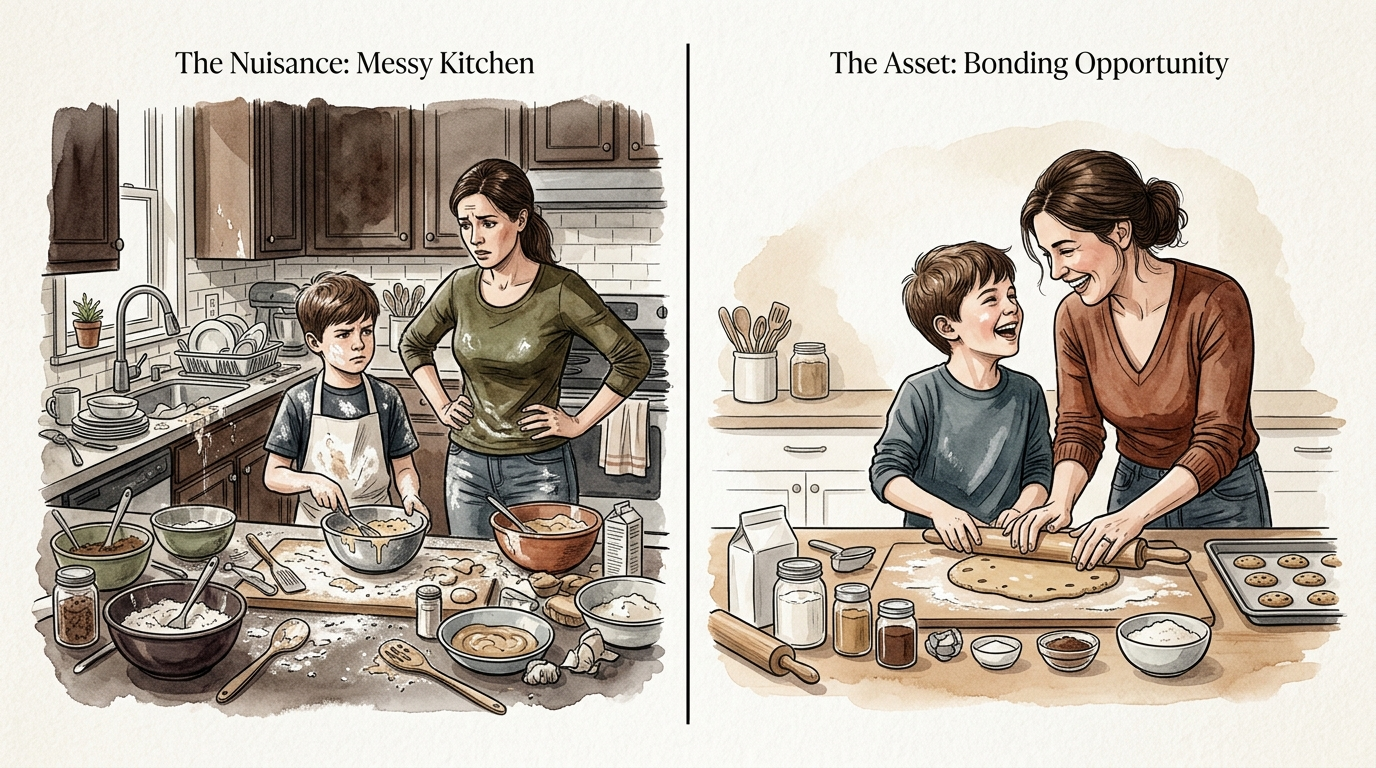
The mess isn’t an obstacle to your day; it’s the bridge to your child. We often view daily messes as a nuisance to be cleared. In reality, these are the highest-value assets for natural family bonding. Stop rushing the cleanup.
Your kitchen floor covered in flour isn’t a failure. It is a sign of a shared memory in the making. Your child’s paint-stained fingers aren’t a chore. They are a physical record of creativity. When you embrace the chaos, you open a door to a deeper connection that a perfectly tidy house can never offer.
Parents often feel the weight of the “to-do” list pressing down. We want order. We want efficiency. But children live in the present. They find joy in the tactile, the sticky, and the loud. Shifting your perspective from “managing a mess” to “investing in a relationship” changes everything.
Family Bonding
Family bonding is the emotional tissue that connects parents and children. It is not just about living under the same roof. It is about shared experiences that build trust, security, and mutual understanding. In the real world, bonding happens during the gaps in our schedule. It occurs when we stop being “managers” and start being “participants.”
Research shows that families with strong emotional ties experience lower stress levels and better mental health outcomes. Children who feel a secure attachment to their caregivers are more resilient. They handle school pressures and social challenges with greater confidence. Bonding isn’t a one-time event. It is a series of small, intentional interactions that happen every single day.
One of the most powerful places for this to occur is within the mess. Shared activities like cooking, gardening, or sensory play provide a natural environment for connection. In these moments, you aren’t just teaching a skill. You are showing your child that they are valued. You are proving that their presence matters more than the state of the living room rug.
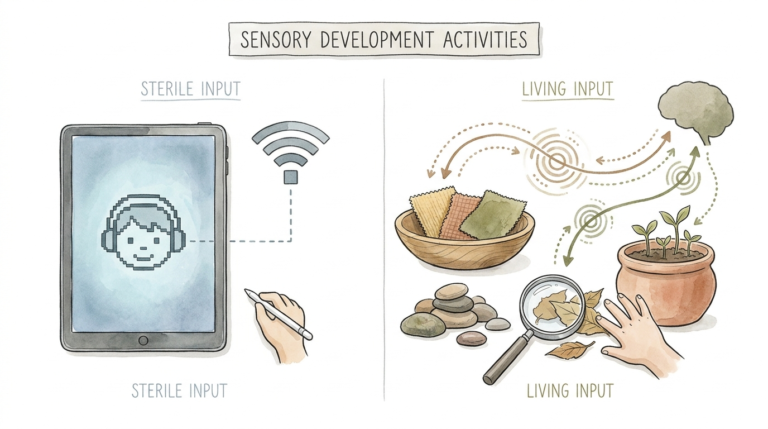
Think of it like this: a sterile environment is efficient for storage, but a “living” environment is necessary for growth. Real-world bonding happens in the trenches. It’s the flour-dusted apron and the muddy boots that tell the story of a family that actually lives together.
How to Lean Into the Mess
Embracing the mess for the sake of bonding requires a shift in your system. You have to move from a “control” mindset to a “process” mindset. Here is how you can practically implement this in your home.
Start by choosing “open-ended” activities. These are tasks that have no fixed end product. Think about sensory bins filled with rice or water play in the kitchen sink. These activities allow your child to lead the way. When the child leads, they feel validated and respected.
Create a designated “Yes Zone.” If you are worried about the whole house getting ruined, pick one area. This might be the kitchen island or a specific corner of the yard. Inside this zone, the rules of tidiness are suspended. This reduces your internal stress while giving the child the freedom they need to explore.
Use the “Role Reversal” technique. Let your child be the expert. If you are baking, let them decide how to decorate the cookies. If you are gardening, let them choose where the seeds go. Stepping back allows them to take ownership. It builds their confidence and allows you to see the world through their eyes.
Focus on the “Mindful Moment.” Repetitive actions like squishing playdough or pouring water naturally draw us into the present. Forget the laundry sitting on the sofa. Forget the emails waiting in your inbox. For fifteen minutes, just be there. Feel the texture of the materials. Listen to the laughter. This shared presence is the foundation of the bond.
Benefits of Messy Bonding
Choosing the mess over the mop offers measurable advantages for both you and your child. These benefits go beyond just “having fun.” They shape the architecture of the brain and the strength of the heart.
1. Cognitive and Neurological Growth
Messy play is sensory play. It stimulates multiple senses simultaneously. This process strengthens neural pathways in the brain. These pathways are essential for future learning and memory. When children manipulate different textures, they learn about cause and effect. They develop problem-solving skills that translate into academic success later in life.
2. Emotional Security and Trust
When you allow a child to get messy without fear of reprimand, you create a “Safe Base.” They learn that your love is not conditional on their ability to be neat. This builds a deep sense of security. They feel free to express themselves and take risks because they know you support their exploration.
3. Improved Communication
Shared activities provide a relaxed environment for talking. It’s often easier for a child to share their day while their hands are busy with clay or paint. The pressure of a face-to-face “serious” conversation vanishes. You’ll find that the most profound insights into your child’s life happen while you’re both covered in mud.
4. Fine Motor Skill Development
Squeezing, squishing, and molding materials are great for physical development. These actions build the small muscles in the hands. This leads to better pencil control and coordination. While it looks like a disaster on the table, it is actually a workout for their developmental milestones.
Challenges and Common Mistakes
The biggest hurdle isn’t the actual mess. It is the mental friction we feel as parents. We have been conditioned to value a “clean” home as a sign of a “good” life. This often leads to common mistakes that sabotage the bonding process.
The Perfectionism Trap
Many parents start a messy activity with a specific “vision” of the result. When the child deviates from that vision, the parent steps in to “fix” it. This kills the bond. It tells the child that their way is wrong. It turns a creative moment into a performance review. Stop trying to produce a masterpiece. The mess is the masterpiece.
The Cleanup Dread
We often veto an activity because we are already thinking about the forty minutes of scrubbing that follows. This creates a barrier between us and our children. To avoid this, simplify your cleanup system. Use “taste-safe” materials like flour or oats that can be easily swept. Involve the child in the cleanup as part of the game.
Comparison Culture
Social media shows us “curated chaos.” We see beautiful children in linen clothes playing with “aesthetic” wooden toys. Real life is different. Real life involves spilled juice and mismatched socks. Don’t let a filtered image make you feel like your “real” mess isn’t good enough. The bond happens in the reality, not the photo op.
Limitations and Realistic Constraints
While embracing the mess is vital, we must also recognize practical boundaries. There are times and situations where this approach needs adjustment.
Safety is always the primary boundary. Not all messes are created equal. Chemical cleaners, sharp tools, or toxic materials are never part of the “bonding” strategy. Always ensure that the environment is age-appropriate and secure. If you are using food for play, be mindful of allergies and waste.
Timing matters. Trying to engage in a high-intensity messy activity right before you need to leave for a doctor’s appointment is a recipe for stress. Choose your moments wisely. Bonding requires a certain amount of “slack” in the schedule. If you are rushed, you will revert to your “manager” persona, and the connection will suffer.
Sensory overload is a real factor. Some children (and parents) have higher sensitivities to textures and noise. If a certain material causes distress, don’t force it. The goal is connection, not irritation. Start small. A tray of dry beans might be a better entry point than a bucket of slime for a sensory-sensitive child.
Comparison: The Nuisance vs. The Asset
To truly understand this shift, we need to compare the two mindsets. One views the home as a museum to be maintained; the other views it as a workshop for the soul.
| Feature | The Nuisance (Order-First) | The Asset (Bond-First) |
|---|---|---|
| Primary Goal | Efficiency and Neatness | Connection and Growth |
| Parental Role | Supervisor / Janitor | Co-Creator / Participant |
| Child’s Feeling | Constrained / Critiqued | Validated / Empowered |
| Long-term Impact | Temporary Tidiness | Lifelong Emotional Security |
Practical Tips for Immediate Action
You don’t need a complete lifestyle overhaul to start bonding through the mess. Small, strategic changes can yield massive results.
- Keep a “Messy Kit” Ready: Store old towels, a plastic tarp, and non-toxic paints in one bin. Having everything ready reduces the mental barrier to starting.
- The 10-Minute Scramble: Set a timer at the end of the day. Put on upbeat music and everyone cleans together. This turns chores into a team-building exercise rather than a solo burden.
- Embrace “Taste-Safe” Recipes: For toddlers, use flour, cornstarch, or yogurt for messy play. This removes the stress of them putting things in their mouths.
- Narrate the Process: Talk about what you are seeing and feeling. “I love how squishy this clay is!” This builds language skills and reinforces your shared presence.
- Schedule the Chaos: If you are naturally mess-averse, put “Messy Saturday” on the calendar. Knowing it’s coming helps you mentally prepare to let go.
Advanced Considerations for Deep Bonding
As you become more comfortable with the chaos, you can look for ways to deepen the experience. This is especially important for older children who may have moved past “finger painting.”
For school-age kids and teens, “the mess” often looks like collaborative projects. This could be working on an old car, building a complex LEGO city, or conducting science experiments in the kitchen. The principle remains the same: the project is the bridge. You are working toward a shared goal, and the inevitable clutter that comes with it is the cost of entry.
Think about the “Environmental Psychology” of your home. Are there areas that are so “precious” that bonding can’t happen there? Consider swapping a fragile coffee table for a sturdy one that can handle a board game or a half-finished puzzle. Your home should serve your family’s relationships, not the other way around.
Focus on “Emotional Literacy” during the activities. When things go wrong—the paint spills or the cake falls—model resilience. Use it as a moment to show how to handle frustration. These “micro-failures” within the safety of the mess are perfect training grounds for real-life challenges.
Real-World Scenarios
Let’s look at how this translates into actual daily life.
Scenario A: The Kitchen Catastrophe
Instead of baking cookies *for* your kids, bake *with* them. Yes, flour will get on the floor. Yes, there will be eggshells in the batter. But as you sift and stir together, you are talking about their day. You are laughing at the flour on their noses. Those cookies will taste better because they represent a shared victory.
Scenario B: The Backyard Mud Pit
It’s been raining for three days and everyone is restless. Instead of banning the outdoors, put on the old clothes and head out. Dig a “canal” in the mud. Build a dam with sticks. The cleanup involves a warm bath and extra laundry. The tradeoff? A child who feels seen and a memory that will be talked about for years.
Scenario C: The Living Room Fort
Transform the sofa cushions and every blanket in the house into a sprawling fortress. The living room is unusable for the evening. But inside that fort, you are reading stories by flashlight. You are in a different world. This temporary disruption of order creates a permanent deposit in their emotional bank account.
Final Thoughts
The mess is not the enemy. The constant need for order at the expense of connection is the real threat. By shifting your perspective, you turn a mundane chore into a high-value bonding asset. You move from being a caretaker of things to being a nurturer of people.
Stop rushing the cleanup. Stay in the moment a little longer. Let the paint dry on the fingers while you finish the conversation. The flour can be swept later, but the window of connection with your child is open right now.
Experiment with one messy activity this week. See how it changes the energy in your home. You might find that the “nuisance” of the mess was actually the “bridge” you’ve been looking for all along. Build that bridge today. Give your child the gift of your presence in the middle of the beautiful, sticky, wonderful chaos of life.
Sources
1 oac.edu.au | 2 darlingpsychology.com | 3 theupcenter.org | 4 theravaultllc.com | 5 mixbook.com | 6 pontchartrainpediatrics.com | 7 tfifamily.org | 8 heartlandhealth.org | 9 pmpediatriccare.com | 10 familieswithgrace.com | 11 sandiegofamily.com | 12 connectedfamilies.org | 13 connectedfamilies.org | 14 amachipgh.org | 15 nurturingparenting.com | 16 nurturingparenting.com | 17 sensoryplaylabs.com | 18 inspiremyplay.com | 19 playmatters.org.au | 20 playmatters.org.au | 21 teachingstrategies.com | 22 thegreenwill.org | 23 ala.org | 24 notconsumed.com | 25 ocodile.com