family traditions ideas
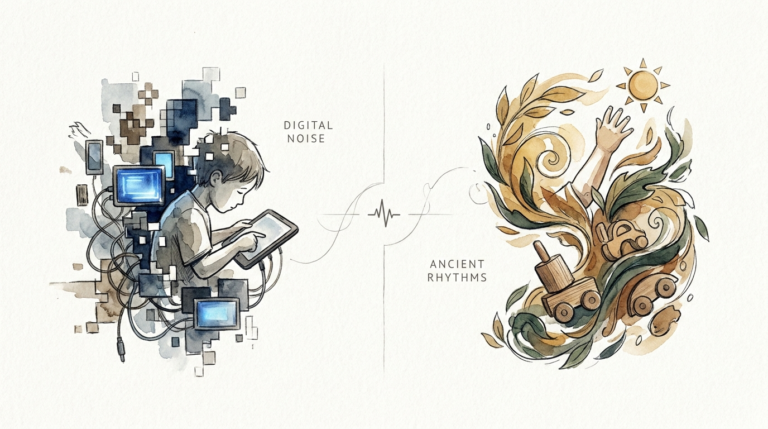
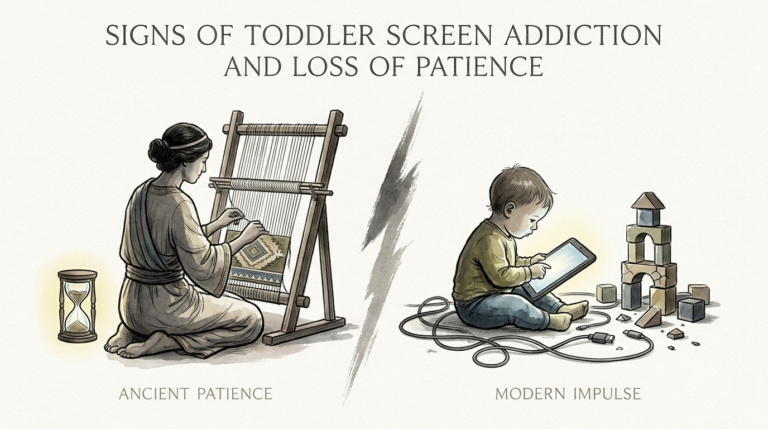
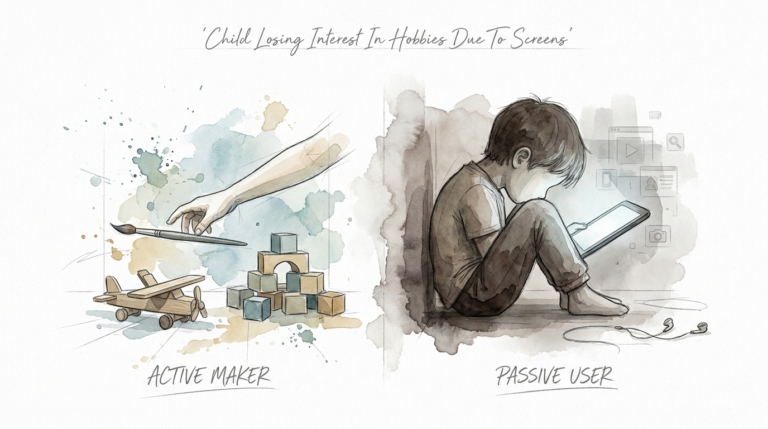
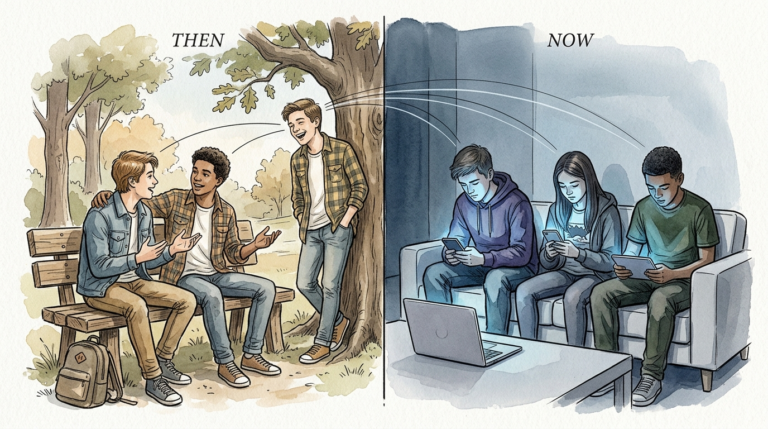
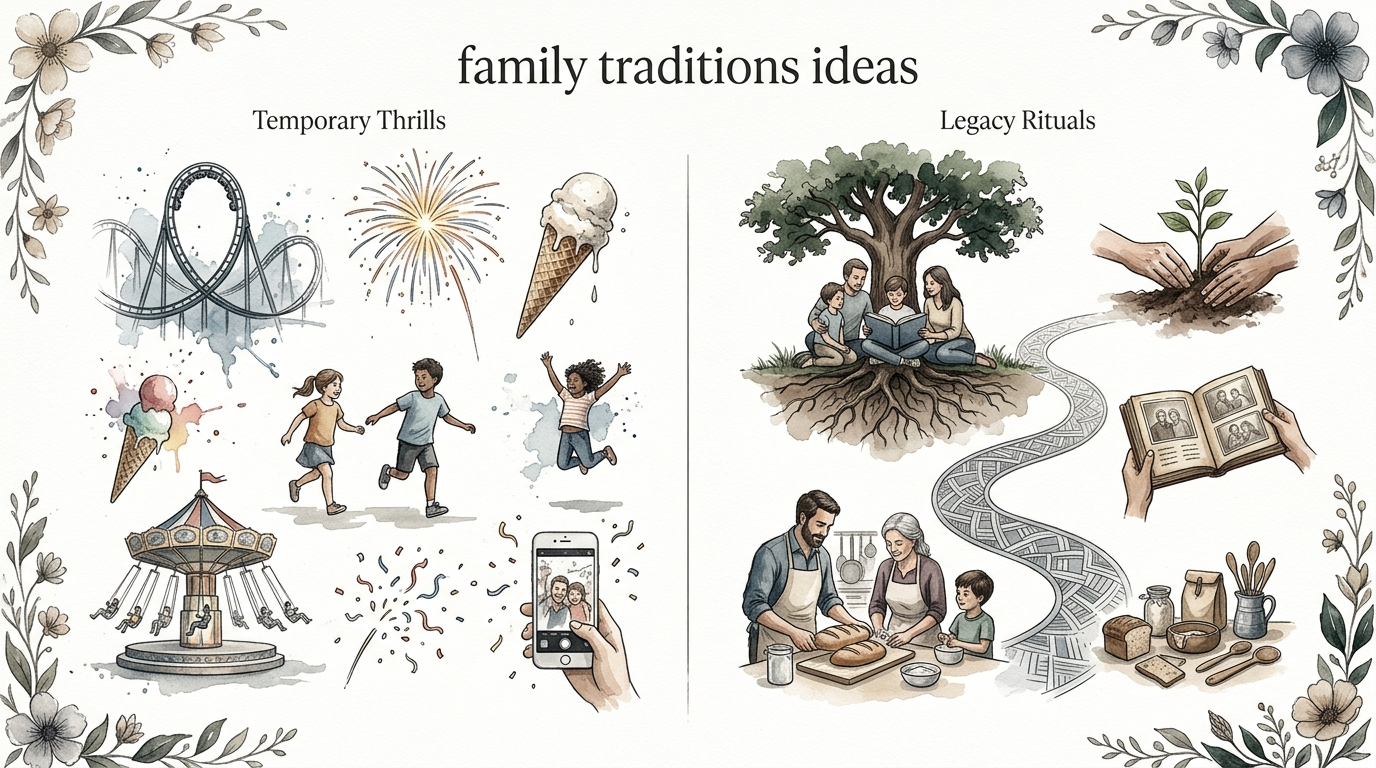
Stop buying memories and start building a legacy. Temporary thrills fade by next Christmas. Legacy rituals cost nothing but stay with your children for a lifetime. Here are 5 ways to build a family culture that lasts.

Most parents feel the pressure to provide grand experiences. We book expensive vacations, buy the latest gadgets, and chase the next big holiday high. These moments are often enjoyable, but they rarely form the bedrock of a child’s identity. Research suggests that a strong family culture is built on the small, repeated actions that occur within the home.
Psychologists have found that children who participate in regular family rituals show higher levels of emotional resilience and a stronger sense of belonging. These rituals act as “emotional anchors” that ground children, especially during times of stress or global uncertainty. Transitioning from a culture of “temporary thrills” to one of “legacy rituals” is a shift in mindset from consumerism to connection.
Creating a family legacy doesn’t require a large bank account or a perfect schedule. It requires intentionality. When we prioritize rituals, we send a clear message to our children: “You belong here, you are safe, and our family has a unique story.” This guide will help you navigate the process of building that culture from the ground up.
family traditions ideas
Family traditions are repeated, meaningful activities that foster a sense of belonging and stability. They differ from simple routines because they carry symbolic weight. While a routine is about efficiency—like brushing teeth—a ritual is about identity—like a special handshake before school that says “I love you and I’m rooting for you.”
These traditions exist to provide a predictable rhythm in an unpredictable world. They are used in real-world situations to mark transitions, celebrate milestones, or simply anchor the family after a long day. For example, a “Friday Pizza and Movie Night” isn’t just about food; it is a reliable signal that the work week is over and the family is coming back together.
Think of family traditions as the “glue” that holds a household’s values together. They provide a common language and a shared history. Analogies often compare them to the roots of a tree; while the branches (our children) grow and reach out into the world, the roots (the traditions) keep the tree stable and nourished during storms.
Examples of these ideas range from the daily to the annual. A nightly “gratitude check-in” at dinner, a “first day of school” signature breakfast, or a unique way of celebrating a lost tooth are all part of this cultural tapestry. These practices don’t have to be complex to be effective; their power lies in their consistency and the emotional meaning attached to them.
How to Build a Legacy Culture Step by Step
Building a family culture is a process of intentional design. It begins with identifying what you value and ends with the repeated execution of those values through action. You can follow these steps to move from a reactive home environment to a proactive, legacy-focused culture.
Identify Your Core Values. Start by asking what you want your children to remember most about your home. Is it kindness? Grit? Curiosity? Humor? Choose three to five words that represent the “flavor” of your family. These values will act as the filter for every ritual you create.
Design Your Rhythms. Look for the natural transition points in your day or week. These are the “hooks” where rituals can live. Morning wake-ups, mealtimes, coming home from school, and bedtimes are prime real estate for building connection. Pick one transition and add a symbolic element to it, such as a specific song played every Saturday morning.
Incorporate Shared Language. Strong cultures have their own “dialect.” This includes inside jokes, family mottos, or unique names for things. Using a phrase like “The Smiths never give up” during a hard moment reinforces a shared identity and builds collective resilience. You can even create a family “code of arms” or a simple logo that represents your goals.
Mark the Milestones. Decide how your family will handle life’s big transitions. Rites of passage—like turning thirteen or getting a first job—provide a sense of progress. Create a consistent way to honor these moments that doesn’t rely solely on expensive gifts, but rather on shared experiences and verbal affirmations.
Protect the Perimeter. One of the biggest pitfalls is over-scheduling. To build a culture, you must have time. Practice “aggressive pruning” of your calendar to ensure the family has enough downtime to actually engage in the rituals you’ve designed. Consistency is only possible when there is margin in your life.
Benefits of a Strong Family Culture
The practical benefits of a legacy-based culture are measurable and observable across several domains of child development. When children know what to expect and feel a deep sense of belonging, their internal stress levels decrease. This allows their brains to shift from “survival mode” to “learning mode.”
- Emotional Regulation: Predictable rituals calm the nervous system. Knowing that “we always eat together at 6 PM” provides a sense of safety that reduces anxiety in children.
- Identity and Belonging: Rituals answer the fundamental question for a child: “Who am I?” By participating in family-specific traditions, they learn they are part of something larger than themselves.
- Academic Success: Studies have shown that families who maintain regular routines, particularly shared mealtimes, often see higher academic achievement in their children.
- Resistance to Peer Pressure: A child with a strong sense of “family identity” is less likely to search for that identity in unhealthy peer groups. They already know where they belong.
Choosing this approach over a consumer-driven one provides long-term stability. While a new toy might provide a hit of dopamine, a legacy ritual builds a reservoir of serotonin and oxytocin—the chemicals associated with long-term bonding and peace. These benefits stay with the child well into adulthood, often influencing how they raise their own families.
Challenges and Common Mistakes
Establishing a new family culture is rarely seamless. Many parents encounter “forced fun” syndrome, where the ritual feels like a chore rather than a connection point. This usually happens when the ritual is too rigid or doesn’t fit the natural personality of the family members.
Misunderstanding the Difference Between Routine and Ritual. A common mistake is focusing on the “what” instead of the “why.” If you are just going through the motions of a Sunday dinner while everyone is on their phones, it is a routine, not a ritual. The magic happens in the symbolic meaning and the presence of the participants.
Aiming for Perfection. Many traditions fail because parents try to make them “Instagram-perfect.” If a tradition requires too much cleanup, too much money, or too much prep work, it will eventually be abandoned. Simple, messy traditions that can happen even on a bad day are the ones that actually last for decades.
Ignoring Developmental Changes. What works for a toddler will not necessarily work for a teenager. A mistake many families make is trying to force a “childish” ritual on a growing child. Rituals must evolve. Instead of abandoning a tradition when a child outgrows it, invite them to help redesign it for their current stage of life.
When Legacy Rituals May Not Be Ideal
While rituals are generally beneficial, there are situations where they may need to be paused or significantly altered. During times of acute crisis—such as a medical emergency or a major relocation—the pressure to maintain a rigid tradition can actually increase family stress. In these moments, survival takes precedence over symbolism.
Practical boundaries also exist for families dealing with high-conflict divorce or complex co-parenting situations. Trying to maintain “the way we used to do it” can sometimes cause more pain than healing. In these cases, it is often better to create “New Legacy” rituals that honor the current reality rather than clinging to a past that no longer exists.
Environmental limitations and trade-offs are also a factor. A family that moves frequently may struggle with place-based traditions. For these practitioners, the focus should shift to “portable rituals”—things that can be done anywhere, such as a specific bedtime story or a “car ride” game. The goal is connection, not a specific location or set of props.
Legacy Rituals vs. Temporary Thrills
Understanding the difference between these two approaches can help you allocate your time and resources more effectively. While both have their place in a happy childhood, they serve very different purposes. The following table highlights the measurable differences between the two.
| Feature | Temporary Thrills | Legacy Rituals |
|---|---|---|
| Cost | High (Theme parks, toys, gifts) | Low to Zero (Time, attention) |
| Duration of Impact | Short-term (Hours to weeks) | Lifelong (Generational) |
| Source of Joy | External (Novelty, consumption) | Internal (Belonging, safety) |
| Frequency | Occasional (Birthdays, holidays) | Frequent (Daily, weekly) |
| Complexity | High maintenance / Logistically heavy | Simple / Efficient / Sustainable |
5 Ways to Build a Culture That Lasts
Focusing on these five pillars will help you move from a fragmented household to a unified family culture. These methods are backed by research from the Family Narratives Lab and other experts in developmental psychology. Each method offers a unique way to deepen the bonds within your home.
1. Co-Construct the Family Narrative
Research led by Dr. Marshall Duke and Dr. Robyn Fivush at Emory University suggests that children who know their family history are more resilient. This is known as “intergenerational identity.” Sharing stories about ancestors who overcame hardship provides a “narrative hammer” that children can use to build their own resilience. Tell stories of the “ascending” (we started with nothing and made it), the “descending” (we had a lot and lost it), and the “oscillating” (we had ups and downs, but we stuck together). The oscillating narrative is the most powerful for building emotional strength.
2. Establish Predictable Rhythms
Daily anchors are more important than yearly events. Use the “20-minute rule” to ensure you have a dedicated block of time each day where distractions are removed. Whether it’s a family walk, a shared meal, or a bedtime “high-low” reflection, these rhythms signal to a child’s brain that they are prioritized. Consistency in these small moments creates a baseline of trust that carries the family through larger disruptions.
3. Create a Shared Symbolic Language
Identity is often reinforced by language. Develop family mottos or “catchphrases” that encapsulate your values. When a child fails at a task, saying “In this house, we do hard things” reframes the failure as an opportunity to live out a family value. You can also create non-verbal symbols, such as a specific “secret” handshake for sports games or a “thinking chair” used only for brainstorming creative ideas. These symbols create a “boundary” around the family that makes members feel uniquely connected.
4. Conduct “Family Council” Meetings
Intentional leadership is a hallmark of a strong culture. A weekly or monthly family meeting allows everyone to have a voice. Use this time to coordinate schedules, discuss problems, and—most importantly—celebrate “wins.” Allowing children to lead portions of the meeting builds their confidence and teaches them that their contribution to the family’s success is vital. This practice moves the family from a dictatorship to a collaborative community.
5. Design Rites of Passage
Human beings naturally crave the marking of progress. Instead of just celebrating another birthday with cake and gifts, consider creating a specific “challenge” or “honor” for certain ages. This could be a solo camping trip with a parent at age twelve, or receiving a family heirloom when they demonstrate a specific level of responsibility. These markers provide a clear roadmap for maturity and give children something meaningful to look forward to as they grow.
Practical Tips for Immediate Application
You do not need a perfect plan to start today. Optimization comes through iteration. Start small and allow the culture to grow naturally based on what your family actually enjoys. Here are several actionable tips you can apply immediately.
- The “Phone Basket” Rule: Place all electronics in a basket during mealtimes. This simple boundary creates the space needed for rituals to breathe.
- The 10-Minute Morning Huddle: Before everyone scatters for the day, spend ten minutes together. Ask each person, “What is one thing I can do to support you today?”
- The “Signature Dish”: Choose one meal that is “yours.” Maybe it’s Saturday morning pancakes or Tuesday night tacos. Make it a constant.
- Visual Reminders: Write your family motto on a chalkboard in the kitchen. Visual cues help keep the culture top-of-mind during busy weeks.
- The “Rainy Day” Box: Create a specific set of activities that only come out during bad weather. This transforms a negative event (rain) into a positive family ritual.
Advanced Considerations for Serious Practitioners
For those looking to go beyond the basics, consider the multi-generational impact of your current rituals. We are often unconsciously repeating the “Family of Origin” patterns we grew up with. Deeply analyzing these patterns allows you to keep the beneficial traditions and “break the cycle” of the harmful ones. This is a form of cultural pruning that requires high emotional intelligence.
Scaling considerations are also important. As your family grows to include in-laws or grandchildren, your culture must be “expandable.” Creating a “Family Constitution” or a written legacy document can help preserve your core values as the family branches out. Serious practitioners often view themselves as “curators” of a story that will continue long after they are gone.
Finally, consider the concept of “service rituals.” A family culture that only looks inward can become stagnant. Incorporating regular volunteering or community support into your family rhythms teaches children that their family identity is tied to a larger social responsibility. This adds a layer of depth and purpose to the family legacy that goes beyond personal happiness.
Real-World Scenarios
Imagine a family of four where both parents work full-time and the children are involved in multiple sports. Their life feels like a “logistics machine.” To shift their culture, they implement two simple changes. First, they start the “Sunday Night Sundae” ritual, where they eat ice cream and talk about the week ahead. Second, they adopt a family motto: “Team Miller helps out.”
Six months later, when the youngest child sees a neighbor struggling with groceries, they automatically stop to help. When the older child has a stressful exam week, they look forward to Sunday night as a “safe harbor.” No money was spent on these changes, but the children’s behavior and emotional security have shifted fundamentally. They no longer just “live in the same house”; they belong to “Team Miller.”
Another scenario involves a family dealing with a sudden relocation. Because they had a portable ritual of “Friday Night Table Topics,” the children felt a sense of continuity in their new home. The furniture was different and the school was new, but the Friday night ritual stayed the same. This provided the “predictable anchor” needed to lower their stress during the transition.
Final Thoughts
Building a family culture is a marathon, not a sprint. The “temporary thrills” of commercial holidays and expensive gifts will always have a place, but they should never be the foundation. By prioritizing legacy rituals, you are giving your children a gift that cannot be lost, broken, or outgrown. You are giving them a sense of who they are and where they come from.
Start with one small ritual this week. Don’t worry if it feels awkward at first or if the kids roll their eyes. Consistency eventually turns an experiment into a tradition. Over time, these small actions will accumulate, creating a robust family identity that provides safety, resilience, and joy for generations to come. Your legacy isn’t what you leave for them; it’s what you leave in them.
Experiment with different ideas and see what sticks. The best family cultures are the ones that reflect the unique quirks and strengths of their members. You have the power to be the architect of your home’s atmosphere. Start building today.
Sources
1 triplep.net | 2 samgoldstein.com | 3 instituteofchildpsychology.com | 4 emory.edu | 5 illinois.edu | 6 youthfirstinc.org | 7 illinois.edu | 8 lubbockfamily.org | 9 remento.co | 10 biglifejournal.com | 11 apa.org | 12 michellemitchell.org | 13 intelligentchange.com | 14 storyworth.com | 15 youtube.com | 16 psychologytoday.com | 17 drldabney.com | 18 psychologytoday.com | 19 reddit.com | 20 drkimblackham.com