screen time detox
You don’t need a subscription to find your focus again.

We spend so much money trying to buy our way out of digital addiction. The real detox is free. It’s a walk, a book, and a choice to leave the charger behind. #Mindfulness #DigitalDetox #FreeYourMind

We are currently living in an era where attention is the most valuable currency on the planet. Silicon Valley engineers spend billions of dollars designing algorithms that exploit our biological vulnerabilities to keep us clicking, scrolling, and swiping. This isn’t just a lack of willpower; it is a sophisticated war for your focus.
Most people feel the weight of this constant connectivity. You might notice your attention span shrinking, or perhaps you feel a phantom vibration in your pocket even when your phone is on the table. These are signs of a system that has been pushed beyond its limits.
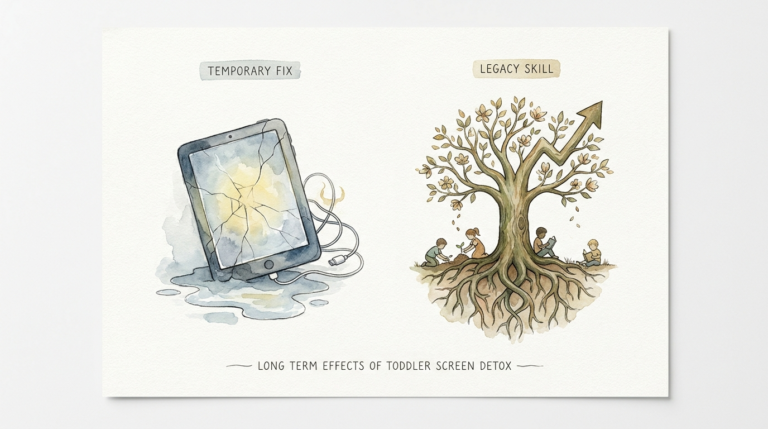
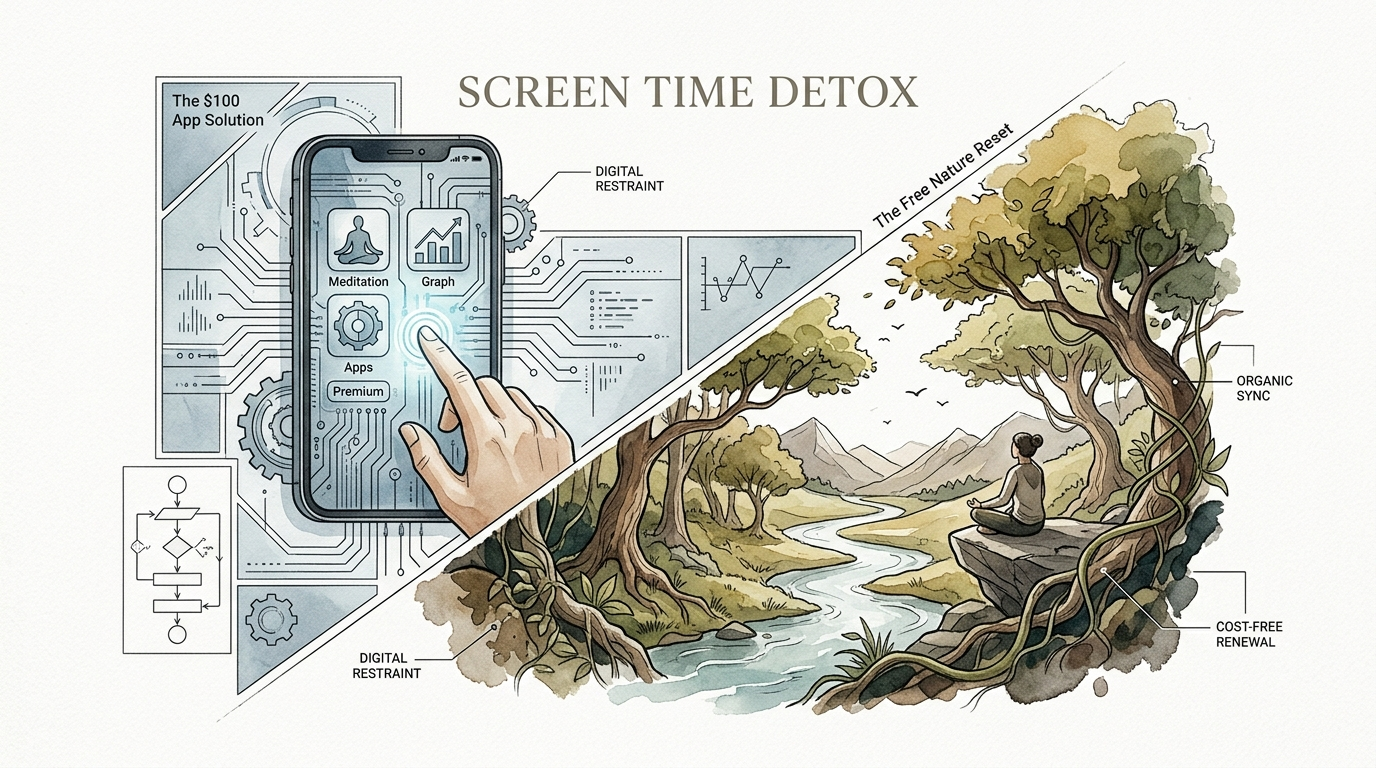
The solution isn’t necessarily another app that blocks other apps. Often, the $100 App Solution—where we pay for premium subscriptions to manage our focus—is just another digital tether. In contrast, the Free Nature Reset offers a way to recalibrate your brain using the environment we were actually evolved to inhabit.
Understanding how to reclaim your mental space is the first step toward long-term cognitive health. It requires a combination of biological knowledge and practical environmental changes.
screen time detox
A screen time detox is a deliberate, structured period where you reduce or eliminate the use of digital devices to break the cycle of overstimulation. It exists because the modern digital environment provides “impoverished” stimulation compared to reality [1.5.4]. While a screen can show you a high-definition video of a forest, it cannot provide the multisensory richness of actually being in one.
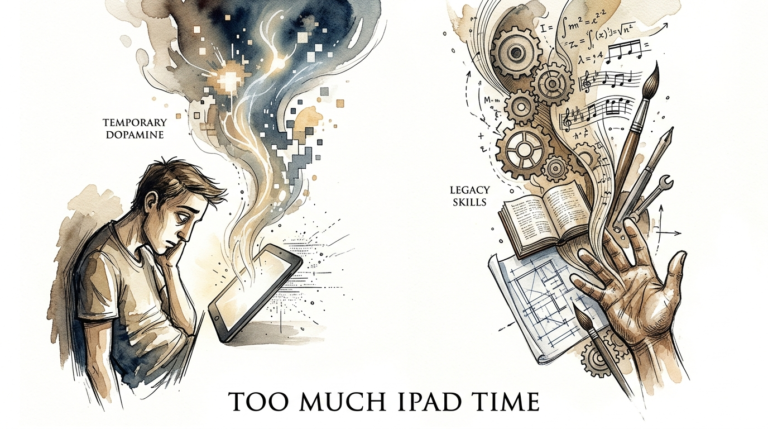
This detox isn’t about becoming a luddite or hating technology. It is a tool used in real-world situations to combat “brain rot”—a slang term for the cognitive fatigue and dazed feeling that follows endless scrolling [1.2.1]. In clinical terms, we are dealing with the desensitization of our reward pathways.
When you spend hours on platforms like TikTok or Instagram, your brain’s nucleus accumbens—a region associated with motivation—is flooded with dopamine [1.2.3]. Over time, these pathways become overused. You begin to need more stimulation just to feel “normal,” leading to a state of chronic distraction.
Think of it like a sound system. If you blast music at maximum volume every day, your ears eventually adjust, and normal conversation sounds muffled. A screen time detox is like turning the volume down so you can hear the birds again. It is used by professionals to regain deep work capacity and by families to rebuild interpersonal connections.
How to Reclaim Your Focus Step by Step
Reclaiming your focus starts with changing your digital architecture. You cannot rely on willpower alone when you are fighting algorithms designed by thousands of experts. You must change the environment to make the right choice the easiest choice.
First, audit your notifications. Most alerts on your phone are not for your benefit; they are for the benefit of the app developer trying to pull you back in. Turn off all non-human notifications. If a machine is telling you to look at your screen, it is a distraction.
Next, implement the “grayscale” hack. Modern smartphones use vibrant, saturated colors to trigger reward responses in the brain. By turning your screen to black and white, you strip away the visual “candy” that makes apps like Instagram or YouTube so addictive. This simple shift reduces the urge to mindlessly browse.
Create physical barriers between yourself and your devices. Research shows that even having a smartphone within sight—even if it is turned off—reduces cognitive capacity because part of your brain is actively working to ignore it. Use a “phone hotel” or a dedicated charging station in a different room during work or family time.
Practice the 20-20-20 rule to protect your neurological health [1.5.1]. Every 20 minutes, look at something 20 feet away for at least 20 seconds. This simple habit helps reset your focal point and reduces the eye strain that leads to cognitive fog.
The Measurable Benefits of Disconnecting
The advantages of a digital reset are both psychological and physiological. One of the most immediate benefits is the reduction of salivary cortisol—a primary stress hormone [1.3.6]. Lowering cortisol helps shift the body from a “fight or flight” state into a “rest and digest” state.
Cognitive function sees a significant boost when you step away from screens. Excessive screen time is linked to the thinning of the cerebral cortex, which is responsible for memory and executive function [1.5.1]. By reducing digital load, you allow the brain to engage in “soft fascination”—a type of effortless attention found in nature that restores our ability to focus on complex tasks [1.3.1].
Sleep quality is another critical advantage. Blue light from screens suppresses melatonin secretion, which is essential for deep REM sleep [1.5.4]. Without this deep sleep, the brain cannot effectively process the day’s information or clear out metabolic waste. A detoxed brain is a well-rested brain.
Relationships also improve through the elimination of “phubbing” or phone-snubbing. Statistics show that 1 in 4 relationships are negatively affected by compulsive phone use [1.1.1]. Removing the screen allows for genuine eye contact and the rebuilding of emotional intimacy.
Common Mistakes and Why They Happen
The most frequent error people make is attempting a “cold turkey” approach without a replacement plan. Your brain has a functional dependence on digital ecosystems for communication, work, and entertainment [1.2.8]. If you remove the phone but don’t add a new hobby, the resulting boredom will drive you straight back to the screen.
Another mistake is the misunderstanding of “dopamine fasting.” Many people believe they are actually “running out” of dopamine, but dopamine is a naturally occurring chemical your body needs [1.4.3]. The goal isn’t to eliminate dopamine; it’s to stop the variable reward loops that cause compulsive behavior.
Relying on “detox apps” can also backfire. While some tools are helpful, spending money on a premium subscription to fix a screen addiction often keeps you focused on the screen. It reinforces the idea that the solution to a digital problem must be digital.
Finally, many people fail because they don’t inform their social circle. If people expect immediate replies and you suddenly disappear, the resulting social pressure can cause significant anxiety. You must set expectations with others before you go offline.
The Realities and Limitations of Detoxing
We must acknowledge that a total digital exit is impossible for most modern professionals. Remote work demands constant engagement with tools like video calls and task management platforms [1.6.6]. You cannot simply “delete” your digital life if your mortgage depends on it.
Environmental constraints also play a role. People living in highly urbanized areas may lack easy access to the “blue” or “green” spaces that provide the best restorative effects [1.3.7]. In these cases, the reset must be adapted using indoor plants or natural light, which are less effective but still beneficial.
There is also the trade-off of convenience. Modern life is built on the efficiency of smartphones. Giving up your phone for a weekend means navigating without GPS, paying with cash, and potentially missing urgent notifications. You have to decide if the mental clarity is worth the temporary logistical friction.
A digital detox is a tool, not a permanent state. Attempting to live forever without technology in the 21st century is likely to lead to social and professional isolation. The goal is balance, not total abstinence.
The $100 App Solution vs. The Free Nature Reset
When we look at the cost of focus, the numbers are surprising. Many people spend hundreds of dollars a year on productivity apps, website blockers, and “zen” subscriptions. While these can be effective for some, they rarely address the underlying neurological craving for stimulation.
| Factor | The $100 App Solution | The Free Nature Reset |
|---|---|---|
| Cost | High (Recurring Subscriptions) | Zero |
| Effect on Cortisol | Neutral (Still using a device) | Significant Reduction [1.3.6] |
| Brain Response | Direct Attention (Effortful) | Soft Fascination (Restorative) [1.3.1] |
| Maintenance | Requires updates/battery | Always available |
The comparison reveals that while apps can provide a “digital fence,” nature provides a “neurological reset.” One manages the symptoms of distraction, while the other addresses the physiological state of the brain. For those serious about focus, the free option often provides the deepest results.
Practical Tips for Immediate Application
Start by rearranging your home screen. Move all social media and news apps into folders on the second or third page. Fill your primary home screen with tools—utilities like the calculator, calendar, or notes app. This removes the visual trigger that leads to “looping” through apps.
Establish “Tech-Free Zones” in your home. The bedroom and the dining table should be sacred spaces. Research suggests that excessive screen use in the morning can cause cognitive decline and memory problems, often referred to as “Digital Dementia” [1.5.3]. Keep the phone out of reach for the first 30 minutes of the day.
Use “Batching” for communications. Instead of responding to every text or email the moment it arrives, set three dedicated times a day to check your messages. This protects your “Deep Work” blocks and prevents the constant context-switching that drains mental energy.
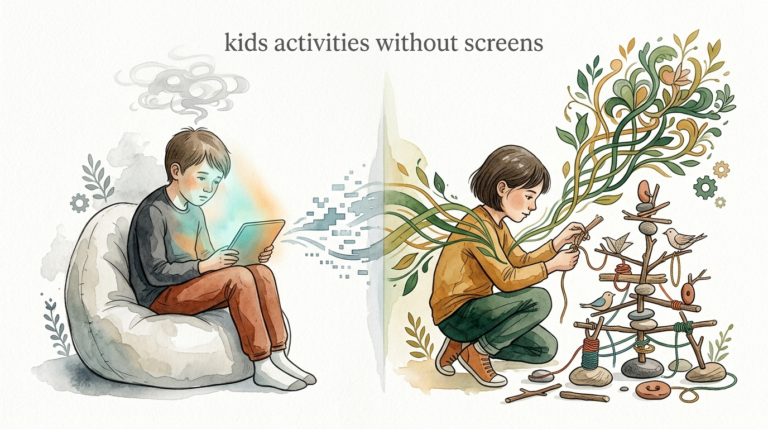
Engage in “Micro-Volunteering” or analog hobbies. Replacing digital noise with self-reflection, gardening, or a physical book helps you learn to tolerate stillness again [1.6.4]. It builds the “focus muscle” that algorithms have allowed to atrophy.
Advanced Strategies for Neuroplasticity
For those who want to go deeper, focus on the concept of neuroplasticity. The brain is not a static organ; it is constantly pruning and building connections based on use [1.5.4]. If you spend all day scrolling, you are physically wiring your brain to be better at being distracted.
Consider a 48-hour “Dopamine Reset.” This involves removing all artificial stimulants—no screens, no music, no junk food, and no caffeine. While difficult, this intense period of boredom can help reset your baseline sensitivity to dopamine, making mundane tasks feel more engaging again.
Focus on “Horizon Viewing.” Stanford researchers suggest that looking at the horizon or far-off objects helps reset the eyes and the brain’s internal stress markers [1.5.1]. This is a more advanced version of the 20-20-20 rule and can be done during a daily nature walk.
Understand the “Variable Reward” system. Apps are designed like slot machines, giving you a “hit” of new information only occasionally. By recognizing this pattern, you can consciously choose to ignore the urge to “check” and instead wait for your scheduled batching time.
Example Scenario: The Weekend Reset
Imagine a high-stress remote worker who feels constantly burned out. They spend 8 hours on work screens and another 4 hours on personal scrolling. Their attention span is so short they can’t finish a single page of a book without reaching for their phone.
On Friday night, they put their phone in a drawer and leave it there. Saturday morning begins not with news, but with the “horizon viewing” suggested by experts. They spend the morning in a local park, engaging their senses in the natural environment. They aren’t “doing” anything—they are letting their mind wander.
By Saturday evening, they might feel an intense itch to check their notifications. This is the withdrawal phase. Instead of giving in, they engage in a “replacement practice” like cooking a complex meal or sketching.
By Sunday afternoon, the “fog” begins to lift. Their internal monologue becomes clearer. They find they can read for 45 minutes without distraction. On Monday morning, they return to work not with a new app, but with a new internal boundary, having successfully lowered their cortisol and restored their executive function.
Final Thoughts
Finding your focus again is not about buying more tools; it’s about removing the ones that no longer serve you. The digital world is designed to keep you trapped in a loop of consumption, but you have the biological power to step out of that loop at any time.
Consistency is more important than intensity. You don’t need a month-long retreat in the mountains to see results. Small, daily choices—like leaving the phone in another room or taking a 20-minute walk—add up to significant neurological changes over time.
Experiment with these methods and see what works for your lifestyle. Technology is a powerful servant but a terrible master. By choosing the Free Nature Reset over the $100 App Solution, you are reclaiming your most precious resource: your own mind.
Sources
1 napieroutdoors.com | 2 usu.edu | 3 heartport.org | 4 digitalwellnessinstitute.com | 5 mindfulecotherapycenter.com | 6 thejacobsladdergroup.org | 7 allianzcare.com | 8 harvard.edu | 9 clevelandclinic.org | 10 freedom.to | 11 prairie-care.com | 12 healthywithin.com