screen time schedule for kids daily
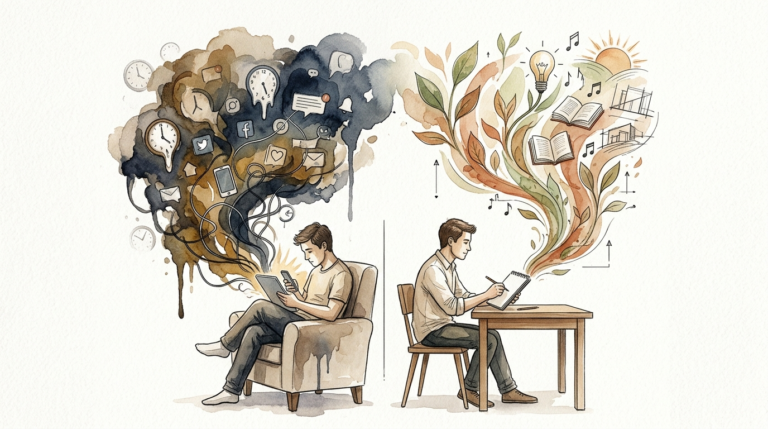
Is their daily screen time a waste of potential or fuel for their future? The schedule makes the difference. We regulate what our kids eat; why not what they watch? A daily schedule ensures they use screens as fuel for learning and creativity, not just a way to kill time.
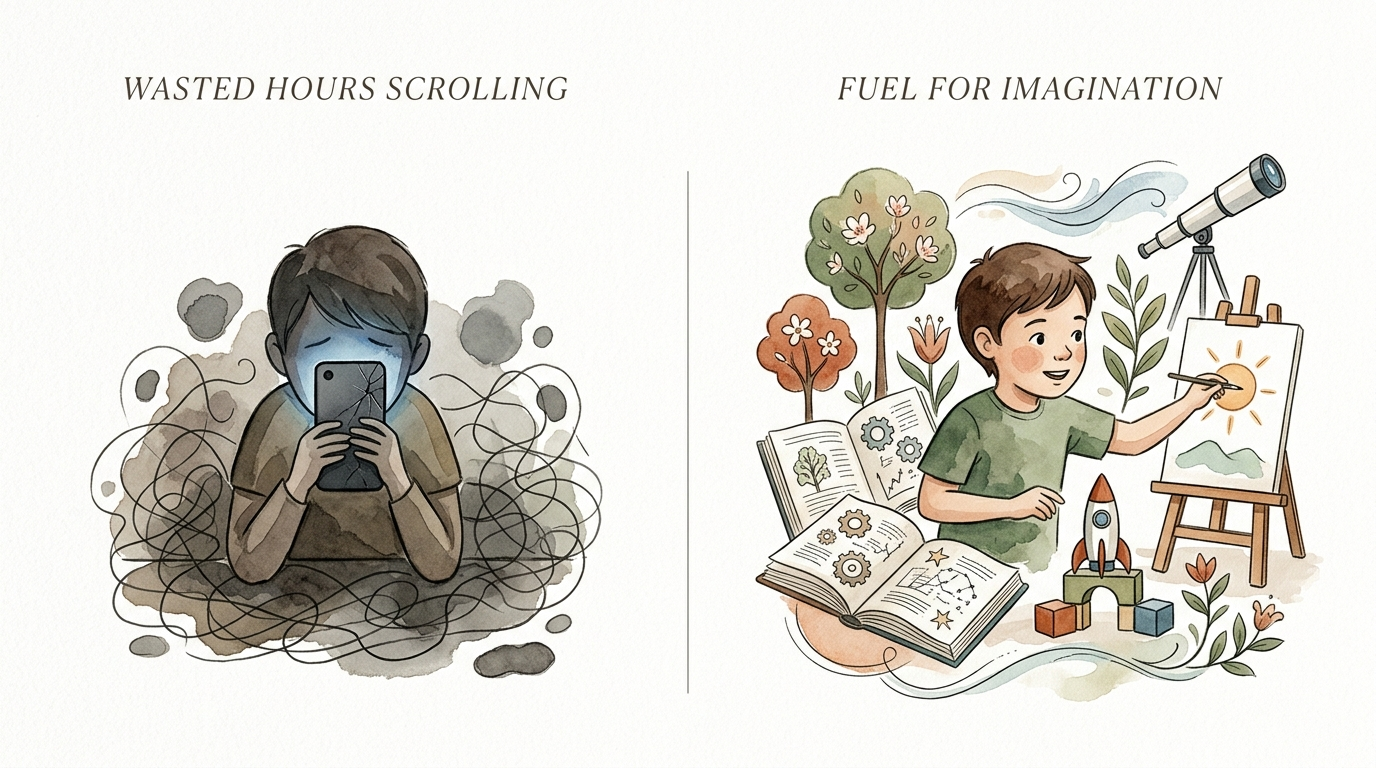
Most parents feel the weight of screen time guilt. You hand over the tablet to finish a work call, and suddenly two hours have vanished into a black hole of mindless “unboxing” videos. It feels like Wasted Hours Scrolling, and it often leaves kids irritable and overstimulated.
But technology isn’t the enemy. When used with intention, a tablet becomes a canvas for digital art, a laboratory for coding, or a library for global stories. This transition from “vegging out” to “leaning in” requires a roadmap. A structured screen time schedule for kids daily is the bridge between digital noise and digital fuel.
screen time schedule for kids daily
A screen time schedule for kids daily is a strategic framework that allocates specific windows for digital use based on developmental needs. It is not just a timer that shuts off the Wi-Fi; it is a system that balances consumption with creation. In the real world, this looks like moving away from “whenever they’re bored” to “at 4:00 PM we explore.”
Think of it like a nutritional plan. Just as you wouldn’t let a child eat candy for every meal, you shouldn’t let their digital diet consist only of passive entertainment. A daily schedule categorizes screen use into “Active” and “Passive” blocks. It ensures that the digital world supports, rather than replaces, sleep, physical activity, and face-to-face connection.
This schedule exists to solve the “convenience trap.” Without a plan, screens become the default solution for every moment of boredom. With a plan, screens become a tool for specific outcomes. Whether it is a toddler learning phonics or a teenager editing a video, the schedule provides the boundaries they need to stay focused.
The AAP Guidelines in 2025
Current recommendations from the American Academy of Pediatrics (AAP) have evolved. While strict time limits are still recommended for the very young, the focus for older children has shifted toward quality and context. For infants under 18 months, screens should be avoided except for video chatting with family. For children aged 2 to 5, the limit remains roughly one hour of high-quality, co-viewed content.
For children 6 and older, the goal is “balanced use.” This means ensuring that screen time does not interfere with the three pillars of health: sleep (9-12 hours), physical activity (1 hour), and social-emotional growth. A screen time schedule for kids daily is the primary tool used to protect these pillars.
How to Build a High-Energy Digital Schedule
Building a schedule that actually works requires more than just picking a time. You need a system that minimizes resistance and maximizes engagement. Use the following five-step process to build your family’s digital roadmap.
1. Conduct a “Digital Audit”
Observe your child for three days. What apps do they open first? Are they creating something or just watching? Note the transitions—do they shut the screen down easily, or is there a “dopamine crash” followed by a tantrum? Understanding their current baseline helps you identify where the schedule needs the most structure.
2. Define the “Screen-Free Zones” First
Instead of deciding when they can use screens, decide when they never will. Common “No-Go” zones include mealtimes, bedrooms after 7:00 PM, and the first hour after waking up. By securing these blocks, you ensure that the most critical parts of their day remain human-centric.
3. Categorize by Content Type
Not all pixels are equal. Divide their allowed time into three distinct buckets:
- Active/Creative: Coding (Scratch, Tynker), digital art (Procreate), or making music.
- Educational: Reading apps (Epic!), math games (Prodigy), or language learning (Duolingo).
- Entertainment: YouTube, Netflix, or social gaming (Roblox).
4. Set “Transition Rituals”
The hardest part of any screen time schedule for kids daily is the “Turn-Off” moment. Use a 5-minute and 2-minute warning. Better yet, use a physical visual timer. A ritual as simple as “closing the laptop and putting it in the charging dock” signals to the brain that the high-stimulation session is over.
5. Use Task-Based Rewards
Link screen access to daily responsibilities. This teaches self-regulation. If the chores and homework are done by 4:00 PM, the screen window opens. If not, the window remains closed. This turns screen time into an earned privilege rather than an entitlement.
Benefits of a Structured Digital Diet
Implementing a screen time schedule for kids daily offers immediate, measurable benefits for both the child’s brain and the family’s peace of mind. When screens are predictable, the “nagging” stops. When content is curated, the learning begins.
Improved Emotional Regulation: Kids who have a predictable schedule experience fewer “screen-induced” meltdowns. Because they know exactly when their next session is, they don’t feel the scarcity mindset that leads to addiction-like behaviors.
Boosted Academic Outcomes: By prioritizing active and educational apps, parents can turn a tablet into a personal tutor. Research shows that interactive, high-quality media can improve literacy and math skills in ways that passive TV viewing cannot.
Better Sleep Quality: A schedule that mandates “screens off” 60 minutes before bed protects the child’s circadian rhythm. This reduces the blue light exposure that inhibits melatonin production, leading to faster sleep onset and deeper rest.
Increased Physical Activity: When screen time is capped, kids naturally gravitate toward movement. They return to the “low-tech” play that builds gross motor skills and burns off the energy that often manifests as behavioral issues when bottled up.
Challenges and Common Pitfalls
Even the best-laid plans can fail. Understanding why these failures happen is the first step toward fixing them. Most screen time battles are not about the device; they are about the stimulation loop.
The “Just One More” Trap: Many apps and games are designed with “infinite loops.” Think of TikTok’s scroll or a game that never truly ends. If your schedule doesn’t account for these mechanics, your child will always feel like they are being interrupted mid-stream. To fix this, set “Level-Based” or “Episode-Based” limits rather than strict minute-based limits.
Using Screens as a “Stop-Gap”: It is tempting to hand over a phone when a child is crying or bored in a restaurant. This is the “Convenience Trap.” It teaches the child that screens are a tool for avoiding uncomfortable emotions. Over time, this erodes their ability to develop natural coping mechanisms.
Parental Inconsistency: If you enforce the schedule on Monday but let it slide on Tuesday because you’re tired, the system collapses. Kids are expert negotiators. They will push the boundary every single day if they think there is a 1% chance it will break.
Limitations of Rigid Schedules
A screen time schedule for kids daily should be a guardrail, not a prison. There are situations where a rigid schedule is counterproductive or simply impossible to maintain. Recognizing these boundaries helps maintain your credibility as a guide.
Environmental Changes: During travel, illness, or long holidays, a strict schedule might cause more stress than it saves. In these moments, “Survival Mode” is a valid strategy. The key is to communicate that this is a temporary exception, not a permanent change in the rules.
Varying Maturity Levels: A schedule that works for a 7-year-old will feel insulting to a 14-year-old. As children grow, the schedule must transition from parent-controlled to child-managed. If you don’t allow for this growth, you risk fostering a culture of “digital rebellion” where kids hide their device use.
School Integration: If your child’s school uses tablets for homework, the lines between “Screen Time” and “School Time” blur. It is vital to separate “Mandatory Screens” (homework) from “Choice Screens” (entertainment). If you count a 2-hour research project as their only screen time for the day, they will likely view education as a punishment.
Comparison: Wasted Hours vs. Fuel for Imagination
Understanding the difference between Wasted Hours Scrolling and Fuel for Imagination is the core of a successful digital strategy. The following table highlights the measurable differences in how these two approaches impact a child’s development.
| Feature | Wasted Hours Scrolling | Fuel for Imagination |
|---|---|---|
| Mental Activity | Passive (Brain on “Autopilot”) | Active (Creating, Solving, Designing) |
| Dopamine Impact | High Spike / Deep Crash | Steady / Satisfaction-Based |
| Skill Development | None (Consumption only) | High (Coding, Literacy, Art) |
| Social Value | Isolating | Connective (Family play or creation) |
| Post-Screen Mood | Irritable, “Brain Fog” | Inspired, Satisfied |
Practical Tips for Implementation
Success with a screen time schedule for kids daily often comes down to the “user interface” of your parenting. Here are some high-impact tips to make the transition smoother.
- The “Charging Garage”: Create a central location in the house where all devices must “sleep” at night. No exceptions. This prevents late-night scrolling and ensures the devices aren’t the first thing they see in the morning.
- Curate the Home Screen: On your child’s tablet, put the “Active/Fuel” apps on the first page. Move “Passive/Entertainment” apps like YouTube into a folder on the third page. This small friction point reduces impulsive clicking.
- Co-Play and Co-View: Spend at least 15 minutes of their schedule playing with them. When you are involved, you can bridge the gap between the screen and real life. Ask questions like, “Why did that character do that?” or “How can we build that in real life?”
- Use Built-in Controls: Don’t be the “bad guy” yourself. Use Apple Screen Time, Google Family Link, or apps like Qustodio to enforce the schedule automatically. Let the device be the one to say “Time’s Up,” so you can remain the supportive coach.
Advanced Considerations: The Neuroscience of Screens
For parents who want to go deeper, understanding the neurological impact of a screen time schedule for kids daily is vital. A major longitudinal study out of Singapore recently highlighted how early, unstructured screen exposure can impact brain development, specifically in areas related to attention and executive function.
The “Stimulation Loop” is real. High-speed, sensory-rich content (like rapid-cut YouTube videos) trains the brain to expect constant novelty. When the screen turns off, the “real world” feels slow and boring. This is why kids struggle to focus on a book or a puzzle after a long gaming session.
Your schedule should act as a “Dopamine Reset.” By placing high-stimulation activities (like video games) *after* low-stimulation tasks (like homework or reading), you leverage the Premack Principle. This psychological law states that high-probability behaviors (games) can be used as reinforcers for low-probability behaviors (chores). This actually helps strengthen their executive function over time.
Example Scenarios
Theory is great, but how does this look at 4:00 PM on a Tuesday? Here is a sample screen time schedule for kids daily for an 8-year-old.
7:30 AM – 8:30 AM: Morning Routine (No Screens). Breakfast, dressing, and 15 minutes of independent reading or drawing. This “Analog Hour” sets a calm tone for the day.
3:30 PM – 4:30 PM: Outdoor Play & Snack. Reconnecting with the physical world after school is non-negotiable. This “Outdoor Bridge” clears the school-day mental clutter.
4:30 PM – 5:15 PM: The “Fuel” Window (45 Mins). Access to educational or creative apps. Coding a game in Scratch or reading a new book on Epic!. This is where the tablet acts as a tool.
5:15 PM – 5:45 PM: The “Fun” Window (30 Mins). Free choice. YouTube Kids or a favorite game. This is the reward for completing the “Fuel” tasks.
5:45 PM: Transition Ritual. The timer goes off. The child puts the tablet in the Charging Garage and helps set the table for dinner. No screens are used for the rest of the evening.
Final Thoughts
A screen time schedule for kids daily is not about restriction; it is about intentionality. By shifting from reactive parenting to proactive systems, you stop the daily battles and start building a healthy digital culture. You are teaching your child that technology is a powerful servant but a terrible master.
The goal is to move them toward digital literacy. In a world that is increasingly online, the kids who succeed will be the ones who know how to use screens as Fuel for Imagination. They will be the creators, not just the consumers. Start small, stay consistent, and watch as their “wasted hours” transform into moments of genuine discovery.
Experiment with these frameworks this week. You might find that once the schedule is in place, the “need” for screens actually diminishes. When the digital diet is balanced, the real world becomes much more interesting.
Sources
1 instrucko.com | 2 youtube.com | 3 bklynlibrary.org | 4 newcanaanpediatrics.com | 5 choc.org | 6 mayoclinic.org | 7 mayoclinic.org | 8 commonwealthpeds.com | 9 ccrcca.org | 10 the-digitalbridge.com | 11 lindnercenterofhope.org | 12 youtube.com | 13 nih.gov | 14 parentingnow.org | 15 mumlyfe.com.au